


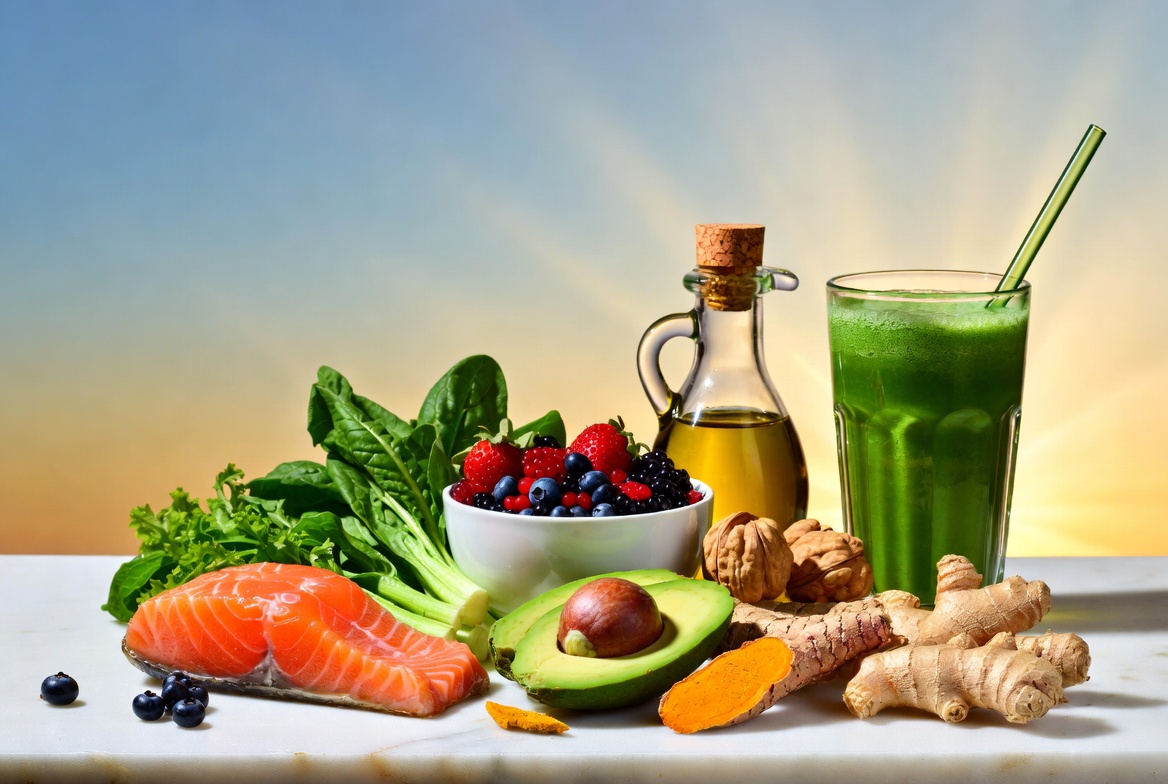
An anti-inflammatory meal plan is all about choosing whole foods—think vibrant fruits and vegetables, fatty fish, nuts, seeds, and spices—while dialing way back on the processed stuff, added sugar, and refined grains. The goal is simple: use nutrient-dense ingredients to actively fight the low-grade, chronic inflammation that's tied to so many modern health problems.
Understanding How Food Fights Inflammation
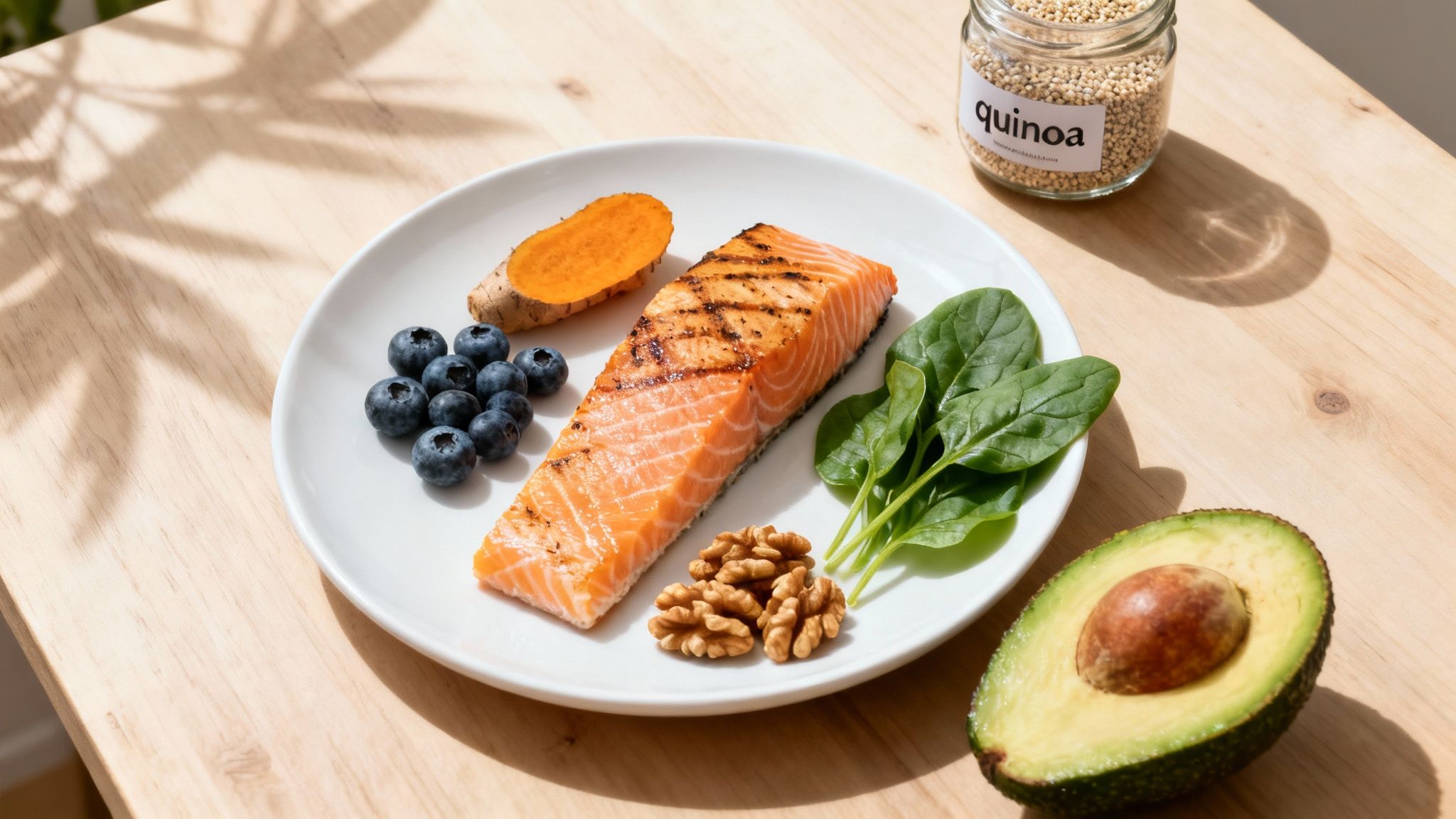
So, you've heard the buzzword "inflammation," but what does it actually mean for your body? At its best, inflammation is your body's natural defense. When you get a cut, your immune system jumps into action to heal it. That’s acute inflammation, and it’s a good thing.
The real trouble starts when that response gets stuck in the "on" position. This is chronic inflammation—a quiet, persistent state of alert that never really shuts off. Imagine a smoke alarm that just keeps beeping, day in and day out. Things like processed foods, high stress, and poor sleep are often the triggers that keep that alarm going.
This constant internal stress isn't just a vague idea; it shows up in very real ways. Maybe you feel it as a deep fatigue that sleep can't seem to touch, or perhaps it's that nagging joint pain or those frustrating digestive issues. These are often the first clues that your body is stuck on high alert.
Why Your Plate is Your Best Defense
Here's the good news: the food you eat can either fuel that internal fire or help put it out. Every single meal is a chance to give your body the building blocks it needs to calm down its overactive immune response. This is why an anti-inflammatory meal plan is so much more than just another diet—it's a proactive strategy for your health.
You'll be focusing on foods packed with compounds that do the heavy lifting:
- Antioxidants: These are your body's protectors, found in berries, leafy greens, and colorful veggies. They work by neutralizing damaging molecules called free radicals.
- Omega-3 Fatty Acids: Think of these as your inflammation-fighting superheroes. You'll find these healthy fats in foods like salmon, walnuts, and flaxseeds.
- Fiber: Found in whole grains, beans, and vegetables, fiber is crucial for a healthy gut. A happy gut microbiome is a key player in keeping inflammation in check.
Measuring What Matters: The Dietary Inflammatory Index
This isn't just guesswork. Scientists have actually developed a tool to measure how inflammatory our diets are. It’s called the Dietary Inflammatory Index (DII), and it scores foods based on how they affect key inflammatory markers in the body.
The DII helps us move beyond general advice and see the real, measurable impact of our food choices. It’s the science that backs up what many of us feel intuitively: what you eat directly affects how you feel.
The link between obesity and inflammation is a well-known vicious cycle, and the DII brings a lot of clarity to it. Developed back in 2007, the index scores foods based on their impact on six specific biomarkers, like C-reactive protein (CRP) and various interleukins (ILs).
A 2023 review powerfully illustrated the DII's value in untangling the obesity-inflammation connection. For example, a study involving over 3,000 students found a strong link between pro-inflammatory diets and higher rates of being overweight or obese. The flip side? Shifting to an anti-inflammatory eating pattern significantly lowered those risks. You can read more about these crucial food-inflammation links and see why experts are pushing for the DII to be used more often in clinical practice. Understanding this "why" is what makes sticking with the "how" so much easier.
Building Your Anti-Inflammatory Plate
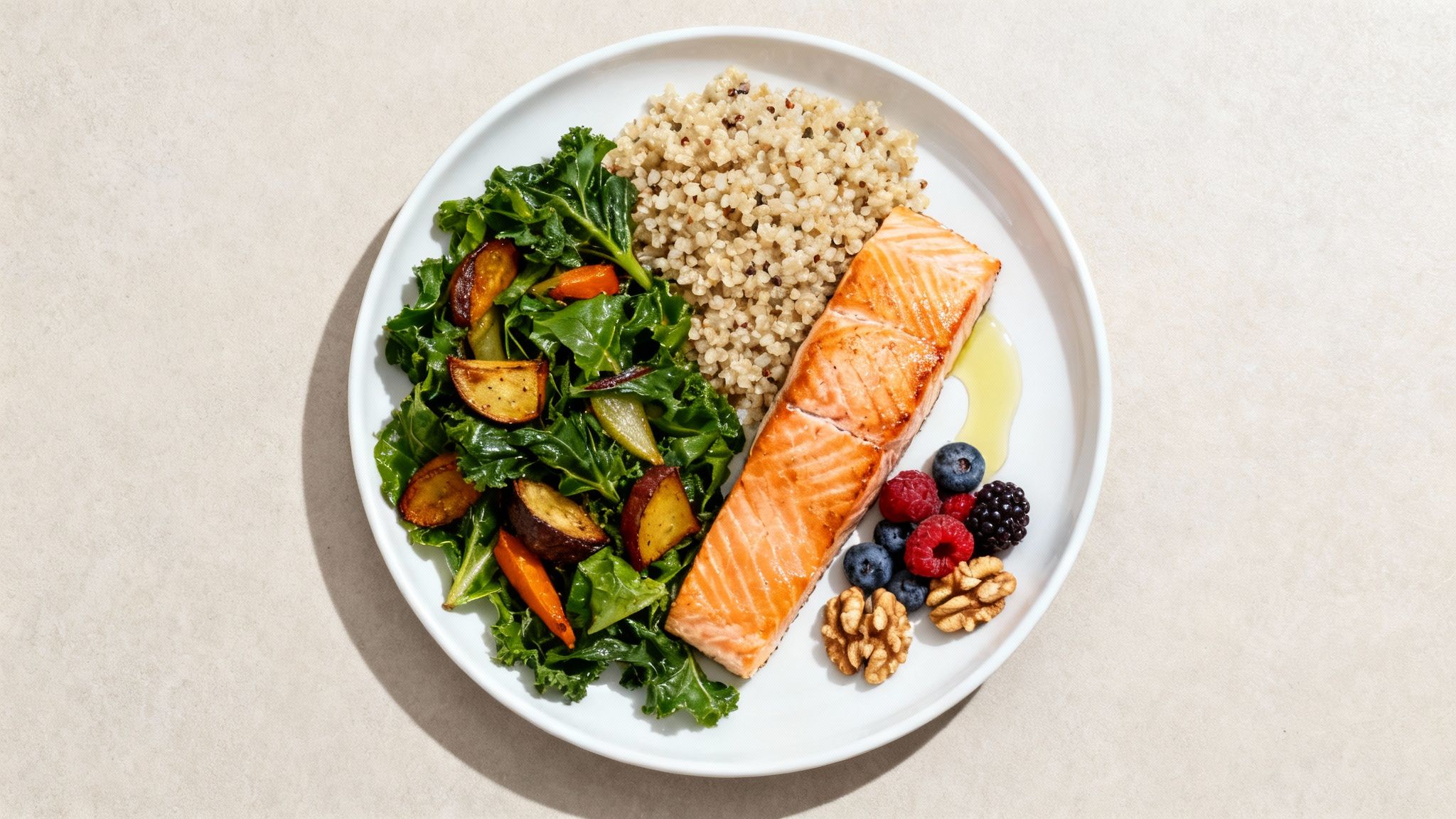
When people hear "anti-inflammatory diet," they often brace for a long list of forbidden foods. But I've found the most successful approach isn't about restriction; it's about abundance. Instead of focusing on what you need to cut out, let's reframe it: What delicious, vibrant foods can you add to your meals?
This simple shift in mindset makes the whole process feel more like a culinary adventure than a chore. Every meal becomes a new opportunity to load your plate with ingredients that actively fight inflammation from the inside out.
H3: Prioritize Healthy Fats And Omega-3s
If there's one nutrient group that's an absolute powerhouse for cooling inflammation, it's healthy fats, especially omega-3 fatty acids. These are the unsung heroes working behind the scenes to keep your body in balance.
Getting more of them is easier than you think:
- Fatty Fish: Aim for at least two servings a week of fish like salmon, mackerel, or sardines. A simple weeknight dinner of baked salmon with lemon and herbs is a perfect way to start.
- Nuts and Seeds: Walnuts, chia seeds, and ground flaxseeds are fantastic plant-based sources. I love sprinkling a tablespoon of chia seeds into my morning yogurt or tossing walnuts onto a salad for extra crunch.
- Oils and Avocados: Make extra-virgin olive oil your go-to for dressings and light sautéing. Adding half an avocado to a salad or a piece of whole-grain toast gives you a creamy dose of healthy fats and fiber.
H3: Embrace A Rainbow Of Produce
Have you ever noticed how the most colorful fruits and vegetables are also the healthiest? That’s no coincidence. Those deep reds, purples, and greens are a sign of potent antioxidants called polyphenols, which act like bodyguards for your cells.
The easiest strategy here is to simply eat the rainbow. Don’t get stuck in a rut with just broccoli and carrots. Next time you're at the store, challenge yourself to grab a fruit or vegetable you don't normally buy, like a purple cabbage or a golden beet. For more inspiration, our comprehensive anti-inflammatory foods list has you covered.
A simple rule I live by is to fill at least half my plate with non-starchy vegetables at lunch and dinner. This single habit has been a game-changer for increasing my fiber intake and flooding my system with protective nutrients.
This could look like adding a big handful of spinach to your morning smoothie, having a giant, colorful salad for lunch, or roasting a sheet pan of bell peppers, zucchini, and onions for dinner.
H3: Understand The Inflammation Culprits
While our primary focus is on adding the good stuff, it’s also wise to be aware of the foods that can fan the flames of inflammation. The idea isn't to banish them forever but to simply reduce their frequency in your diet.
Generally, the main offenders fall into a few categories:
- Sugary Drinks and Sweets: Soda, fruit juice, candy, and most commercial pastries cause sharp spikes in blood sugar, a known trigger for inflammation.
- Refined Carbohydrates: Think white bread, white pasta, and most packaged crackers. These have been stripped of their fiber and act a lot like sugar in your body.
- Processed and Red Meats: Sausages, hot dogs, and bacon are often high in saturated fats and preservatives that can be problematic. It's also a good idea to limit red meat.
- Certain Vegetable Oils: Highly processed oils like soybean, corn, and safflower oil are loaded with omega-6 fatty acids. We need some, but our modern diets often create an imbalance that promotes inflammation.
H3: Make Simple, Satisfying Swaps
Lasting change is built on small, sustainable habits. The key is to find easy swaps that you genuinely enjoy so you never feel like you're missing out.
Making these little adjustments can have a surprisingly big impact. To get you started, here is a quick-reference table for some of the most common swaps I recommend.
Simple Anti-Inflammatory Food Swaps
| Instead Of This (Pro-Inflammatory) | Try This (Anti-Inflammatory) |
|---|---|
| White Bread or Pasta | 100% Whole Wheat Bread, Quinoa, Brown Rice |
| Sugary Cereal | Oatmeal with Berries and Walnuts |
| Potato Chips | Handful of Almonds or an Apple with Nut Butter |
| Soda or Sweetened Juice | Sparkling Water with Lemon and Mint |
| Margarine or Shortening | Extra-Virgin Olive Oil or Avocado Oil |
| Processed Deli Meats | Grilled Chicken Breast or Canned Salmon |
You don't have to overhaul your entire diet overnight. Just pick one or two of these swaps to try this week. Once those feel like a natural part of your routine, you can build from there.
Your 7-Day Anti-Inflammatory Meal Plan
Alright, let's get into the good stuff. This is your practical, day-by-day guide to putting anti-inflammatory eating into action. Forget about complicated recipes or feeling deprived; this is all about enjoying incredible food that helps your body feel its best. We've laid out this 7-day plan to be as straightforward as possible, taking the guesswork out of the equation.
Think of this week as a delicious experiment. The meals here are built around all the core principles we've talked about: whole foods, healthy fats, quality proteins, and a vibrant mix of antioxidant-rich fruits and veggies. You're about to discover some new favorites and see just how amazing you can feel.
Monday
- Breakfast: Berry & Chia Overnight Oats. This is a lifesaver for busy mornings. Just combine ½ cup rolled oats, 1 tbsp chia seeds, and 1 cup unsweetened almond milk in a jar. Give it a good stir and pop it in the fridge. In the morning, top it with ½ cup mixed berries and 1 tbsp of chopped walnuts for a nice crunch.
- Lunch: Lemony Chickpea & Avocado Salad. Super simple and satisfying. Mash ½ an avocado in a bowl, then mix in 1 cup of rinsed chickpeas, a handful of chopped cherry tomatoes, some diced cucumber, and a generous squeeze of fresh lemon juice. A little salt and pepper is all it needs.
- Dinner: Sheet Pan Salmon with Roasted Broccoli. Place a 4-oz salmon fillet and 1-2 cups of broccoli florets on a baking sheet. Drizzle with olive oil, lemon juice, garlic powder, and oregano. Bake at 400°F (200°C) for 12-15 minutes. Easy cleanup, big flavor.
- Snacks: An apple with 1 tbsp of almond butter; a handful of almonds.
Tuesday
- Breakfast: Power-Up Green Smoothie. A fantastic way to front-load your day with nutrients. Blend 1 cup spinach, ½ a banana, ½ cup frozen pineapple, 1 tbsp chia seeds, and 1 cup of water until it's perfectly smooth.
- Lunch: Leftover Salmon & Broccoli Salad. Yesterday's dinner becomes today's gourmet lunch. Just flake the leftover salmon over a bed of mixed greens, add the roasted broccoli, and toss with a light vinaigrette made from olive oil and balsamic vinegar.
- Dinner: Black Bean Burgers on Lettuce Wraps. Ditch the bun for a fresh crunch. Serve a grilled black bean patty in a large lettuce leaf with tomato, onion, and a dollop of plain Greek yogurt or avocado.
- Snacks: A pear with a small square of dark chocolate (70% or higher); baby carrots with hummus.
Wednesday
- Breakfast: Greek Yogurt with Peaches & Pecans. A classic combo for a reason. Layer 1 cup of plain Greek yogurt with ½ a sliced peach (or any seasonal fruit) and a sprinkle of chopped pecans.
- Lunch: Quinoa & Veggie Bowl. Time to use up those leftovers! Combine 1 cup of cooked quinoa with crumbled black bean burger, corn, diced avocado, and cherry tomatoes. A quick dressing of olive oil and lime juice brings it all together.
- Dinner: One-Pan Chicken with Root Vegetables. Roast a 4-oz chicken breast with chopped carrots, sweet potatoes, and onions tossed in olive oil and rosemary. It all goes into the oven at 400°F (200°C) for about 25-30 minutes.
- Snacks: Plain Greek yogurt with a few raspberries; a hard-boiled egg.
A Quick Note on Flexibility: Please don't see this as a rigid rulebook. It's a template. If you don't like salmon, swap it for chicken or tofu. If peaches aren't in season, use berries. The goal is to stick to the principles of eating whole, anti-inflammatory foods. Make it work for you!
Thursday
- Breakfast: Avocado Toast with a Twist. Mash ½ an avocado onto a slice of whole-grain toast. I love to top mine with a sprinkle of red pepper flakes for a little kick and a squeeze of lime to brighten it up.
- Lunch: Leftover Chicken & Veggie Salad. Shred yesterday’s chicken and toss it with the leftover roasted root vegetables. Serve it over a bed of fresh arugula for a peppery bite.
- Dinner: Hearty Lentil & Vegetable Soup. This is pure comfort food. Simmer 1 cup of red lentils with diced carrots, celery, onions, and garlic in vegetable broth. Add a pinch of turmeric for extra anti-inflammatory power and cook until everything is tender.
- Snacks: A handful of walnuts; cucumber slices with hummus.
It’s worth remembering that this way of eating goes far beyond just feeling better day-to-day. The long-term benefits, especially for heart health, are significant. In 2021 alone, cardiovascular disease (CVD) was responsible for a staggering 20.5 million deaths worldwide. But there's good news. A 2025 meta-analysis of 18 trials found that an anti-inflammatory diet significantly lowered key risk factors like blood pressure and LDL cholesterol. Similarly, studies on the Mediterranean diet—a gold standard anti-inflammatory model—showed it could reduce major cardiovascular events by 30% in high-risk individuals. You can explore the full findings on anti-inflammatory diets and heart health to really dig into the science.
Friday
- Breakfast: Green Scrambled Eggs. A simple way to get your greens in first thing. Scramble 2 eggs with a large handful of spinach and a dash of turmeric. Serve with a slice of whole-grain toast.
- Lunch: Leftover Lentil Soup. Soup is almost always better the next day. A warm bowl of your hearty lentil soup is the perfect easy lunch.
- Dinner: Shrimp & Broccoli Stir-fry. Quick, easy, and delicious. Sauté 4 oz of shrimp with broccoli florets, minced ginger, and garlic in a little sesame or avocado oil. Serve it over ½ cup of brown rice or quinoa.
- Snacks: An orange; bell pepper strips with hummus.
Saturday
- Breakfast: Turmeric Ginger Oatmeal. A warm and spicy start to the weekend. Cook ½ cup of rolled oats with water or almond milk. Stir in ¼ tsp ground turmeric, ¼ tsp ground ginger, and a pinch of black pepper (this helps your body absorb the turmeric). Top with sliced pear and pumpkin seeds.
- Lunch: No-Mayo Tuna Salad. A fresh take on a classic. Mix one can of water-packed tuna with mashed avocado, diced celery, and lemon juice. Serve it with whole-grain crackers or tucked into crisp lettuce cups.
- Dinner: Turkey Meatballs with Zucchini Noodles. Enjoy lean ground turkey meatballs (seasoned with garlic and herbs) with your favorite marinara sauce over a bed of spiralized zucchini. It’s lighter than pasta but just as satisfying.
- Snacks: Apple slices with peanut butter; a handful of walnuts.
Sunday
- Breakfast: Berry & Chia Overnight Oats. Prep this Saturday night so you can have a slow, relaxing Sunday morning without worrying about making breakfast.
- Lunch: Big Green Salad with Hard-Boiled Eggs. Time to clean out the veggie drawer! Top a large bowl of mixed greens with two sliced hard-boiled eggs, avocado, tomatoes, cucumber, and a sprinkle of sunflower seeds. A simple olive oil and lemon juice dressing is perfect.
- Dinner: Chicken & Veggie Skewers. Fun to make and eat. Grill or bake skewers loaded with chicken chunks, bell peppers, zucchini, and cherry tomatoes. Serve with a side of quinoa.
- Snacks: Plain Greek yogurt with berries; a hard-boiled egg.
Hopefully, this week shows you just how delicious, varied, and totally achievable an anti-inflammatory diet can be. Use these ideas as a starting point and feel free to get creative in the kitchen as you continue on your path to better health.
Your Shopping List and Meal Prep Strategy
A successful anti-inflammatory meal plan doesn't just happen. It all starts with a smart trip to the grocery store and a bit of prep work over the weekend. Trust me, making the healthy choice the easy choice is the secret sauce, especially when life gets hectic.
Setting aside just an hour or two on a Sunday can completely transform your week. This isn't about spending your entire day in the kitchen. It’s about tackling a few key tasks that give you the biggest return, making sure you have healthy, ready-to-go components for every meal.
Your Organized Grocery List
Wandering through the supermarket without a plan is a surefire way to end up with impulse buys and forgotten essentials. A structured list, organized by store section, keeps you focused and makes the whole trip faster and less stressful.
Here’s a breakdown to get you started on building a well-stocked, anti-inflammatory kitchen.
| Category | Items |
|---|---|
| Produce | Leafy greens (spinach, kale), non-starchy vegetables (broccoli, bell peppers, zucchini, cauliflower), alliums (garlic, onions), antioxidant-rich fruits (mixed berries, apples, oranges). |
| Proteins | Omega-3 rich fish (salmon fillets, canned wild tuna), lean poultry (chicken breast), plant-based proteins (chickpeas, lentils, black beans). |
| Healthy Fats | Extra-virgin olive oil, avocados, raw nuts (walnuts, almonds), seeds (chia seeds, flaxseeds). |
| Whole Grains | Rolled oats, quinoa, brown rice, whole-grain bread (in moderation). |
| Pantry & Spices | Anti-inflammatory powerhouses like ground turmeric and fresh ginger, apple cider vinegar, Dijon mustard, various herbs (dried or fresh). |
With a list like this, you walk in, get what you need, and get out. You’re setting yourself up for a week of success before it even begins.
My Personal Tip: I always buy one "adventurous" vegetable each week—like a golden beet, some bok choy, or purple cabbage. It’s a fun, low-pressure way to add variety and new nutrients to my meals without feeling overwhelmed.
This strategic approach to shopping is foundational. If you're looking for more inspiration on what to stock, our guide to a clean eating meal plan has even more ideas for a wholesome kitchen.
A Simple Weekend Meal Prep Guide
Your Sunday meal prep session should feel empowering, not like a chore. The goal is to do the heavy lifting now so your weekdays are a breeze.
Here are a few things you can do in about an hour:
- Cook Your Grains: Get a big pot of quinoa or brown rice going. It takes around 20 minutes of hands-off time and gives you a versatile base for salads, grain bowls, and side dishes all week long.
- Chop Your Veggies: Wash and chop hardy vegetables like bell peppers, carrots, and broccoli. Store them in airtight containers in the fridge. They'll be ready to toss into a stir-fry, roast for a quick side, or add to a salad.
- Whip Up a Vinaigrette: A homemade dressing is worlds better than most store-bought options. Just whisk together some extra-virgin olive oil, lemon juice or apple cider vinegar, a dab of Dijon mustard, and your favorite herbs. It keeps in the fridge for at least a week.
This simple graphic shows how these prepped components can come together for a perfectly balanced day.
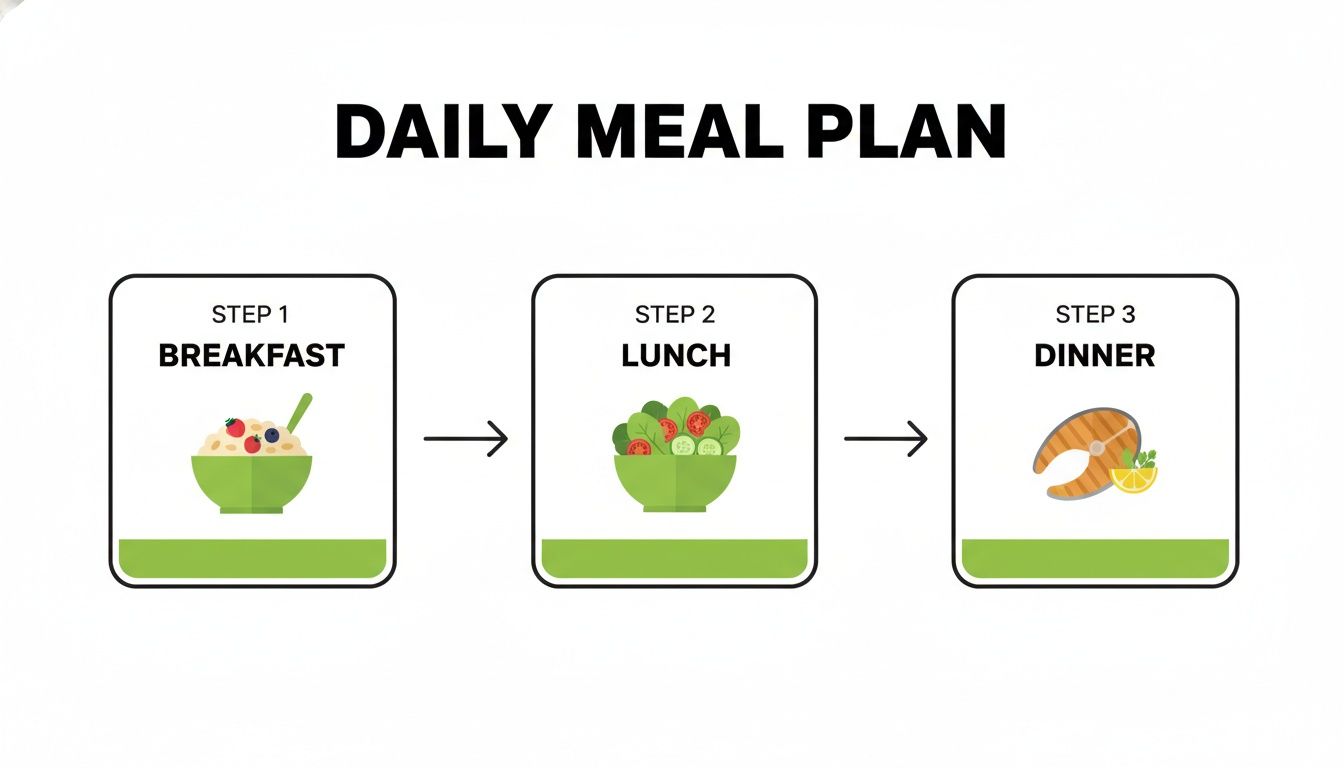
By getting these core items ready ahead of time, putting together a healthy breakfast, lunch, or dinner on a busy Tuesday becomes a quick, stress-free task instead of a daunting one.
The Big Picture: Long-Term Benefits Of Anti-Inflammatory Eating
While a 7-day plan is a fantastic way to jumpstart things, the real magic happens when you make these changes a core part of your life. This week isn't a quick fix or a restrictive diet—it's your first step toward building a foundation for lasting wellness. The immediate perks, like having more energy and less bloating, are really just the beginning.
When you consistently eat anti-inflammatory foods, you're giving your body a steady supply of the tools it needs to function at its best. Over time, that adds up, leading to some pretty amazing improvements in everything from your mood and mental clarity to the health of your skin and joints.
A Stronger Heart and Sharper Brain
We now know that chronic inflammation is a major player in some of our most serious health issues, including heart disease and cognitive decline. By consistently choosing anti-inflammatory foods, you're actively building a defense system for these vital organs.
Think about it this way: the omega-3 fatty acids in salmon and walnuts help keep your blood vessels flexible and can lower blood pressure. At the same time, the powerful antioxidants you get from berries and leafy greens act like bodyguards for your brain cells, protecting them from damage and supporting memory as you get older.
Committing to this way of eating is one of the most powerful investments you can make in your future health. It’s about more than just feeling good today; it's about safeguarding your vitality for years to come.
Lowering Your Risk of Chronic Disease
The link between long-term, low-grade inflammation and chronic disease is rock solid. A diet heavy in processed foods, sugar, and unhealthy fats can keep your body in a constant state of high alert, which eventually wears down your cells. An anti-inflammatory lifestyle is the perfect antidote.
We see this clearly with cancer risk. Ditching pro-inflammatory foods has been shown to significantly cut the incidence of colorectal cancer. There's also compelling evidence that these eating patterns can lower the odds of breast cancer and are linked to less aggressive forms of prostate cancer. If you're interested in the science, you can explore the research on anti-inflammatory diets and cancer risk and see just how powerful this connection is.
A Healthier Gut and a More Vibrant Life
So much of your overall health starts in your gut—and that’s often where inflammation begins, too. A diet packed with fiber from fruits, vegetables, and legumes is exactly what the good bacteria in your gut need to thrive.
When your gut microbiome is balanced and healthy, it has a ripple effect on everything else. You'll absorb nutrients better, your immune system will be stronger, and even your mood can become more stable. For an extra boost, you might want to check out our guide on the best supplements for gut health to support your new eating habits.
Ultimately, making these principles a regular part of your routine leads to a genuine sense of vitality. You’ll feel it in your body—fewer aches and pains, clearer skin, and a stronger immune system that lets you live the active, full life you want.
Got Questions About the Anti-Inflammatory Diet? We've Got Answers.
Jumping into a new way of eating always sparks a few questions. It's only natural to wonder how this all works in the real world. I've been there, and I've heard just about every question in the book from clients starting their own anti-inflammatory meal plans.
Let’s clear up some of the most common ones so you can feel confident and prepared, not confused or restricted.
How Soon Will I Actually Feel a Difference?
This is the big one, isn't it? The honest answer is: it really depends on your body. Some people tell me they feel more energetic and less bloated within the first week or two. For others, deeper changes like easing joint discomfort can take a few weeks or even a month of eating this way consistently.
The most important thing is to stick with it. Think of it as giving your body time to reset and bring down its overall level of inflammation. You probably won't wake up feeling brand new on day three, but the long-term benefits are absolutely worth your patience.
Can I Still Drink Coffee?
I have great news for all the coffee lovers out there: yes, you absolutely can. In moderation, coffee fits perfectly into an anti-inflammatory lifestyle. It’s packed with polyphenols and other beneficial compounds that actually fight inflammation.
Believe it or not, research shows that regular coffee drinkers often have lower levels of inflammatory markers in their bodies. Both regular and decaf seem to do the trick, so you can enjoy that morning ritual without a shred of guilt.
The real trick is what you put in your coffee. Ditch the sugar and those heavily sweetened creamers. A little unsweetened almond milk, a splash of full-fat cream, or just drinking it black will ensure you get all the benefits without adding anything that works against your goals.
What Can I Order When I Eat Out?
Going out for a meal doesn't mean you have to abandon your plan. The same core ideas apply: focus on simple, whole foods. When you look at a menu, search for dishes built around grilled, baked, or steamed proteins and plenty of vegetables.
Here are a few strategies I always use:
- Start with salads. Just ask for the dressing on the side (vinaigrettes are a much better bet than creamy dressings) and top it with grilled chicken or fish.
- Lean on lean protein. You can almost always find a great option like baked salmon or a simple grilled chicken breast. Pair it with a side of roasted veggies or a sweet potato.
- Don't be afraid to ask for swaps. Most kitchens are happy to switch fries for steamed vegetables or cook your meal in olive oil instead of other fats. Just ask politely!
Do I Have to Buy Everything Organic?
This is a huge point of confusion for many. While buying organic is fantastic if it fits your budget, it is not a deal-breaker for success on an anti-inflammatory meal plan. The absolute most important thing is simply eating more fruits and vegetables, period.
If you want to be strategic, you could check out the "Dirty Dozen" and "Clean Fifteen" lists from the Environmental Working Group to see which produce items are best to buy organic. But please, remember this: eating a conventional apple is worlds better for you than reaching for a processed, packaged snack. Don't let "perfect" be the enemy of "good."
Here at The Happy Health Blog, our whole mission is to give you clear, science-backed guidance to help you build healthier habits that stick. Check out our other articles for more on nutrition and finding your balance.
Discover more at https://thehappyhealthblog.com.
