

Bringing your hormones back into balance isn't about finding a quick fix. It’s about creating a supportive lifestyle through smart choices in your diet, exercise, sleep, and stress management. When you focus on these fundamental pillars, you give your body’s endocrine system the tools it needs to achieve a natural state of hormonal harmony. Think of it as building a strong foundation for your long-term health.
Decoding Your Body's Hormonal Signals

Before you can really start making changes, you need to understand what you're working with. Hormones are basically your body's internal text messaging system. These tiny chemical messengers travel through your bloodstream, telling your organs and tissues what to do and when to do it.
This whole operation is run by your endocrine system, which oversees everything from your metabolism and mood to your sleep cycles and energy levels. When it's all running smoothly, you feel fantastic—focused, vibrant, and able to handle whatever life throws at you. But even a small hiccup in the system can create a domino effect, leading to symptoms that drag you down day after day.
Key Hormonal Players You Should Know
The endocrine system is incredibly complex, but a few key players have an outsized impact on how you feel. Getting to know them can help you start connecting the dots between your symptoms and what’s happening inside your body.
- Cortisol: This is your main "stress hormone," designed to kick in during a fight-or-flight crisis. The problem is, modern life often keeps it switched on, and chronically high cortisol can lead to anxiety, poor sleep, and stubborn belly fat.
- Insulin: Made in your pancreas, insulin’s job is to manage your blood sugar. When your cells stop listening to its signals (a condition called insulin resistance), you can experience energy slumps, intense cravings, and a higher risk for other health issues.
- Estrogen & Progesterone: As the primary female sex hormones, they run the show for the menstrual cycle and reproductive health. When they're out of whack, you might experience everything from brutal PMS and irregular periods to disruptive mood swings.
- Thyroid Hormones: Think of your thyroid as your body's internal thermostat. If it produces too little hormone (hypothyroidism) or too much (hyperthyroidism), you'll likely notice changes in your weight, energy, and even how hot or cold you feel.
Recognizing the Subtle Signs of Imbalance
Your body is always talking to you. The trick is learning to listen. A hormonal imbalance rarely shows up as a single, dramatic event. It's more often a slow burn—a collection of nagging symptoms you might have brushed off as just a normal part of getting older or being busy.
These clues can be physical, mental, or emotional. For example, are you exhausted no matter how much you sleep? That crushing fatigue could point to an issue with your cortisol or thyroid. Struggling with acne breakouts as an adult? Your sex hormones might be to blame.
Hormonal imbalance is your body’s way of communicating that something needs attention. Symptoms like stubborn weight gain, brain fog, and intense mood swings aren't personal failings—they are biological clues pointing toward an underlying issue.
Other common red flags include:
- Unexplained weight gain, especially around your midsection.
- Persistent bloating, gas, or other digestive miseries.
- Irregular periods, unusually heavy cycles, or severe PMS.
- Sudden hot flashes or night sweats.
- A nosedive in your libido.
- New or worsening anxiety, irritability, or feelings of depression.
Understanding how hormones connect to overall health is a game-changer. Insulin resistance, for instance, is a major player in a group of conditions that you can read more about in our guide on what is metabolic syndrome.
The goal here isn't to diagnose yourself, but to become more aware. When you start connecting your daily experiences—that 3 p.m. energy crash, your monthly mood shifts, a sudden skin flare-up—to what’s happening internally, you empower yourself to make meaningful changes. This awareness is the first, most crucial step toward getting your hormones back on your side.
Building a Hormone-Happy Plate
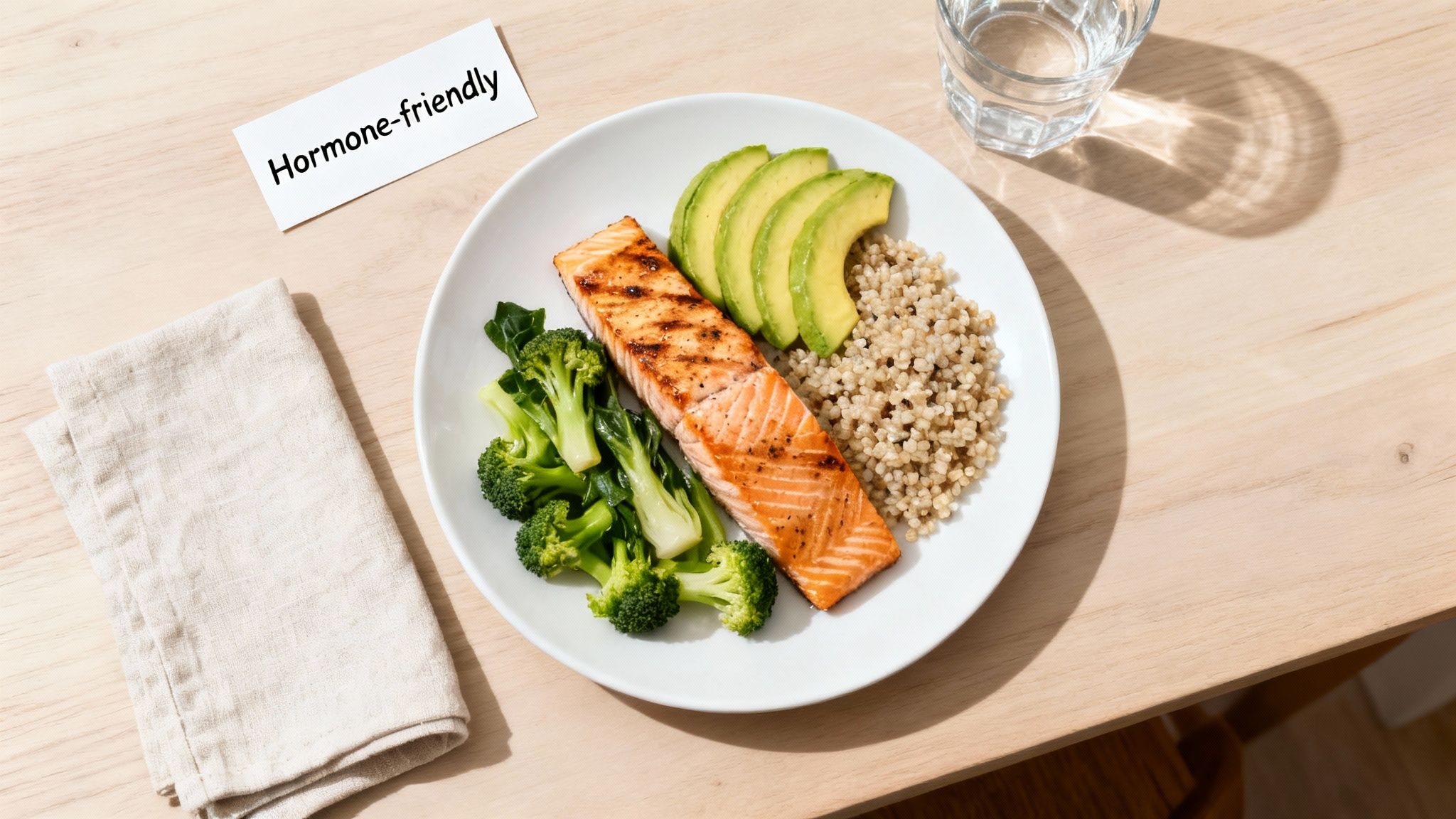
What you eat provides the actual raw materials your body uses to create hormones. This makes nutrition one of the most powerful and immediate tools you have for supporting your entire endocrine system.
Forget about strict, punishing diets. The goal is to build meals that stabilize your blood sugar, cool inflammation, and deliver the specific nutrients your body is craving for hormonal function. Every meal is a chance to send a message of balance and support, guiding your hormones back into a healthier rhythm naturally.
Prioritize Protein at Every Meal
Protein does so much more than build muscle; it's a cornerstone of hormone regulation. Getting enough protein at each meal slows the absorption of carbohydrates, which is key to preventing the sharp insulin spikes that can throw other hormones, like cortisol and estrogen, into chaos.
Make it a non-negotiable to include a quality protein source with every single meal and snack. This one change will keep you feeling full and satisfied, making you far less likely to reach for sugary quick fixes that send your system on a rollercoaster.
- Animal-Based Sources: Think grass-fed beef, organic chicken, wild-caught salmon, and pasture-raised eggs. These are fantastic because they provide complete proteins with all the essential amino acids.
- Plant-Based Sources: Lentils, chickpeas, quinoa, tofu, and edamame are excellent choices that also come with a healthy dose of fiber.
A simple, real-world swap is trading a morning bagel for two scrambled eggs with a handful of spinach. You'll notice a massive difference in your energy levels, completely avoiding that mid-morning crash that comes from a high-carb, low-protein start.
Embrace Healthy Fats
For so many years, fat was made out to be the enemy. The truth is, it's absolutely essential for hormone production. Your body literally cannot make critical hormones like estrogen and testosterone without cholesterol and other fatty acids. It's all about choosing the right kind of fats.
Focus on bringing more anti-inflammatory omega-3s and monounsaturated fats into your daily routine. These fats are the building blocks for healthy cell membranes, which allows your hormones to communicate effectively across the body.
Healthy fats are not the enemy; they are the foundation. Think of them as the premium fuel your body’s hormone factory needs to run smoothly. Without them, production grinds to a halt.
Fats to Add:
- Avocado: Perfect in salads, smoothies, or just as a spread.
- Olive Oil: Stick with extra-virgin olive oil for dressings and low-heat cooking.
- Nuts and Seeds: Almonds, walnuts, chia seeds, and flaxseeds are nutritional powerhouses.
- Fatty Fish: Salmon, mackerel, and sardines are loaded with beneficial omega-3s.
Try adding a tablespoon of ground flaxseed to your morning smoothie or topping your salad with sliced avocado and walnuts. It’s an easy, delicious way to get that hormonal boost.
Make Fiber Your Best Friend
Fiber is another non-negotiable for anyone serious about balancing their hormones naturally. It's a superstar for gut health, and your gut is directly wired into your endocrine system. A healthy gut helps your body properly eliminate excess hormones, especially estrogen, preventing them from recirculating and causing problems.
Fiber also slows down digestion and helps manage insulin levels, putting an end to the blood sugar highs and lows that can wreck your energy and mood. I always recommend aiming for at least 25-30 grams of fiber daily from a wide variety of whole-food sources.
Here are some of my favorite fiber-rich additions:
- Cruciferous Vegetables: Broccoli, cauliflower, Brussels sprouts, and kale contain a special compound called indole-3-carbinol, which actively supports healthy estrogen metabolism.
- Berries: Raspberries, blueberries, and strawberries are fantastic because they're low in sugar but high in both fiber and antioxidants.
- Legumes: Beans, lentils, and chickpeas pack a powerful one-two punch of fiber and plant-based protein.
To help you put this all together, here’s a quick-reference table of some top hormone-friendly foods.
Hormone-Balancing Foods and Their Benefits
| Food Group | Examples | Hormonal Benefit |
|---|---|---|
| Cruciferous Veggies | Broccoli, Kale, Cauliflower | Contains indole-3-carbinol, which supports healthy estrogen metabolism. |
| Healthy Fats | Avocado, Olive Oil, Nuts, Seeds | Provides building blocks for steroid hormones like estrogen and testosterone. |
| Quality Protein | Wild Salmon, Grass-Fed Beef, Lentils | Stabilizes blood sugar and insulin, preventing hormonal spikes and crashes. |
| High-Fiber Foods | Berries, Chia Seeds, Beans | Promotes gut health for proper elimination of excess hormones. |
| Leafy Greens | Spinach, Swiss Chard | Rich in B vitamins and magnesium, which are crucial for hormone production. |
This table is a great starting point, but remember that variety is key to getting a wide spectrum of nutrients.
The science is clear: eating patterns centered on unsaturated fats, whole grains, and vegetables lead to better hormonal health, whereas diets high in saturated fats and refined sugar are linked to imbalances. A well-rounded diet gives you vital nutrients like B vitamins, vitamin D, and vitamin E—all of which are essential for proper hormone synthesis. If you want to dive deeper, you can learn more about the research behind nutrition and hormonal health to see just how big of an impact your food choices can have.
A fantastic way to boost your fiber intake and reduce inflammation is to build your meals around anti-inflammatory principles. For specific ideas, check out our anti-inflammatory meal plan. By consistently focusing on these core nutritional pillars—protein, healthy fats, and fiber—you can create a hormone-happy plate every time and take a massive step toward feeling your absolute best.
Moving and Resting for Endocrine Resilience

When it comes to your hormones, movement and rest are two sides of the very same coin. How you approach both can either build a foundation of resilience and balance or, frankly, add to the hormonal chaos. Finding that sweet spot between smart exercise and truly restorative sleep is a cornerstone of learning how to balance hormones naturally.
The real secret is learning to work with your body instead of constantly fighting against it. Forcing yourself through a grueling, high-intensity workout when you're already exhausted can do more harm than good, sending your stress hormone cortisol through the roof. On the flip side, being too sedentary can open the door to insulin resistance and stagnant energy. The goal is a sustainable rhythm that builds you up without burning you out.
Finding Your Exercise Sweet Spot
The "perfect" workout routine for hormone balance has less to do with intensity and more to do with variety and consistency. A truly effective week will weave together different types of movement, each offering its own unique gift to your endocrine system. This isn't about punishment; it's about improving insulin sensitivity, releasing mood-boosting endorphins, and getting a handle on stress hormones.
A huge mistake I see people make is thinking they need to spend hours in the gym. The truth is, short, consistent efforts almost always beat sporadic, soul-crushing sessions.
Here are the types of movement that pack the biggest hormonal punch:
- Strength Training: This is your foundation. Lifting weights, using resistance bands, or mastering bodyweight exercises like squats and lunges helps build lean muscle. Why does that matter? Because more muscle improves your body’s ability to manage glucose, making you more sensitive to insulin. Aim for 2-3 non-consecutive days per week to give your muscles time to recover and grow.
- Mindful Movement: Think yoga, Pilates, or even tai chi. These practices are absolute gold for lowering cortisol. They tap into your parasympathetic nervous system—your body's "rest and digest" mode—which is the perfect antidote to the chronic stress so many of us live with.
- Low-Intensity Cardio: If you're already feeling fried, forget about punishing sprints. Gentle movement like a brisk walk in the park, a relaxed bike ride, or a swim can increase blood flow and boost endorphins without over-taxing your adrenal glands. Even just 20-30 minutes most days can make a profound difference.
When your goal is hormone balance, exercise becomes less about burning calories and more about sending the right signals to your body. A mindful walk can be just as powerful as a weightlifting session, depending on what your system needs that day.
By thoughtfully combining these elements, you create a routine that supports every part of your hormonal health, from blood sugar control to stress relief.
The Non-Negotiable Power of Sleep
Let me be blunt: you can't out-train or out-diet poor sleep. It’s simply not possible. Those crucial nighttime hours are when your body performs its most important hormonal reset. Deep sleep is when you clear out excess cortisol, produce growth hormone for repair, and regulate the appetite-controlling hormones ghrelin and leptin.
When you consistently skimp on sleep, you’re basically starting every single day with a hormonal handicap. It's a fact that even a single night of bad sleep can decrease insulin sensitivity the very next day. Over time, this chronic sleep debt becomes a massive driver of hormonal imbalance.
Creating a true sleep sanctuary is one of the most powerful things you can do for your overall health. This goes way beyond just setting an earlier bedtime; it’s about crafting an environment and a routine that signal to your body that it’s time to power down for deep rest.
Crafting a Restorative Pre-Bed Routine
Your body absolutely thrives on predictability. A consistent evening routine is like a gentle nudge for your brain and endocrine system, letting them know that sleep is on the horizon. This makes the transition into rest so much smoother.
Try weaving a few of these simple habits into your evening to see a dramatic shift in your sleep quality:
- Dim the Lights: About an hour before you want to be asleep, lower the lights around your home. This simple act helps kickstart the production of melatonin, your main sleep hormone. Ditch the harsh overheads for a warm, cozy lamp.
- Disconnect from Screens: I know it's hard, but the blue light from our phones, tablets, and TVs is a notorious melatonin-killer. You have to put the screens away at least 60-90 minutes before bed. No exceptions.
- Create a Cool Environment: To initiate sleep, your body's core temperature naturally needs to drop. Keeping your bedroom on the cooler side—ideally around 65°F (18°C)—supports this natural process.
- Find a Calming Ritual: Swap the endless scrolling for 15-20 minutes of something that quiets your mind. Read a real, physical book. Jot down your thoughts in a journal. Do some gentle, restorative stretches. This helps you shake off the day's tension.
These small, consistent actions send a powerful message to your entire system, paving the way for the deep, restorative sleep your hormones are crying out for.
Taming Stress and Nurturing Your Gut
If I had to point to two of the biggest culprits behind hormonal chaos, it would be chronic stress and an unhappy gut. They’re a particularly nasty duo because they feed off each other, creating a frustrating cycle that’s tough to break. When clients come to me feeling drained and out of sync, this is one of the first places we look.
The connection between your brain and your gut isn't just a vague concept—it's a direct, physical highway. When you're constantly on edge, your body floods your system with the stress hormone cortisol. Over time, elevated cortisol doesn't just make you feel frazzled; it physically damages your digestive system, inflaming the gut lining and throwing your delicate gut microbiome completely out of whack.
This gut disruption then circles right back to mess with your hormones, especially estrogen.
The Gut-Hormone Connection Explained
Most people are shocked to learn that the trillions of bacteria living in their gut play a direct role in hormone regulation. There’s a specific community of gut bacteria, which scientists have named the estrobolome, whose entire job is to metabolize and manage estrogen in your body.
When your gut is happy and balanced, the estrobolome works perfectly, ensuring estrogen circulates at healthy levels. But if your gut health is compromised—from stress, a diet low in fiber, or even certain medications—it can't do its job properly. This can lead to either too much or too little estrogen, triggering all those classic hormonal imbalance symptoms like intense PMS, wild mood swings, and stubborn bloating.
Your gut isn’t just a passive tube for digestion; it’s an active endocrine organ. Taking care of your microbiome is one of the most powerful and direct ways to support your entire hormonal system.
So, how do you support your gut? It really boils down to two simple strategies: adding in the good guys (probiotics) and feeding the ones that are already there (prebiotics).
- Probiotic-Rich Foods: Get these from fermented foods like kimchi, sauerkraut, kefir, and plain yogurt. These are living foods, packed with the beneficial bacteria your gut needs to thrive.
- Prebiotic-Rich Foods: Think of these as fertilizer for your good bacteria. Foods like onions, garlic, bananas, asparagus, and oats are full of the fibers your microbiome loves to eat.
Building Your Personal Stress-Management Toolkit
While you're working on healing your gut from the inside, it's just as crucial to manage the external stress that's causing the damage in the first place. The goal isn’t to live a stress-free life (that’s impossible!), but to build resilience so that stress no longer controls your biology.
From my experience, small, consistent habits make a much bigger impact than big, sporadic efforts. Weaving simple, proven practices into your daily routine is the key to lowering cortisol and building a more robust system over time.
Simple Practices for Immediate Relief
Let's put together a go-to toolkit you can use anytime, anywhere you feel that tension rising. These aren't complicated, and they work fast.
- Box Breathing: This is a classic for a reason—it’s used by everyone from Navy SEALs to top executives to calm the nervous system. Simply inhale for a count of four, hold for four, exhale for four, and hold again for four. Doing this for just 2-3 minutes can instantly slow your heart rate and bring you back to center.
- A 60-Second Grounding Exercise: You don't need a 30-minute meditation session. Just take 60 seconds to pull yourself out of spiraling thoughts and into the present. What are five things you can see? What are four things you can feel? It’s a simple trick that forces your brain to focus on the here and now.
- Get a Dose of Nature: The research on this is clear: spending even 10-15 minutes outside in a natural setting measurably lowers cortisol. A quick walk in a local park or even just sitting under a tree during your lunch break can be incredibly restorative.
By focusing on these two pillars—nurturing your gut and managing your stress—you create a powerful, positive feedback loop. A calmer mind helps heal your gut, and a healthier gut leads to more balanced hormones, which in turn makes you feel more emotionally resilient. If you're looking for more targeted support, our guide on the best supplements for gut health is a great resource to explore with your healthcare provider.
Using Natural Supplements and Herbs Wisely
https://www.youtube.com/embed/AKVfnM_UQ
Once you’ve dialed in your diet, movement, and stress-reduction routines, you might find that certain supplements and herbs can give you a more targeted boost. I always tell my clients to think of them as helpful allies, not magic pills. They’re here to complement all the hard work you’re already doing, not replace it.
But let's be clear: this isn't a free-for-all. The supplement world is notoriously confusing, and "natural" doesn't automatically mean "safe." The smartest way to use them is as a supportive tool, always with guidance from a professional who understands your unique body and health picture.
There's a reason you're seeing more about this. The global market for hormonal health supplements hit USD 3,595.0 million in 2024 and is only expected to climb. This isn't just a trend; it's a massive shift in how we approach wellness, with millions of people like you actively looking for natural ways to find their equilibrium. You can see the market data on futuremarketinsights.com to get a sense of the scale.
Foundational Supplements for General Support
Before you even think about specific herbs for specific hormones, you have to get the basics right. I can't tell you how often I see major hormonal issues stemming from simple nutrient deficiencies. Your endocrine system needs these core building blocks to do its job properly.
Think of these as the non-negotiables for hormonal health:
- Magnesium: I often call this the "relaxation mineral" because it's involved in over 300 critical reactions in the body. It helps manage cortisol, supports your thyroid, and improves insulin sensitivity. Since so many of us are deficient, a quality form like magnesium glycinate can be a total game-changer for sleep and stress.
- Vitamin D3: This isn't just a vitamin; it's a powerful pro-hormone. It's absolutely vital for immune function, mood, and producing sex hormones. Unless you live in the tropics, getting enough from the sun is tough, which is why supplementation is often a must.
- Omega-3 Fatty Acids: Whether from fish oil or algae, these fats are incredible anti-inflammatories. So much hormonal chaos is driven by chronic inflammation, and omega-3s are like a fire extinguisher, helping to cool things down and support everything from your brain to your menstrual cycle.
Adaptogenic Herbs for Stress and Resilience
This is where things get really interesting. Adaptogens are a brilliant class of herbs that don't force your body in one direction; instead, they help it adapt to stress. They work by fine-tuning your stress response system (your HPA axis and adrenal glands), which helps keep your cortisol levels in a healthier range.
The connection between stress, your gut, and your hormones is incredibly strong, as this diagram shows.
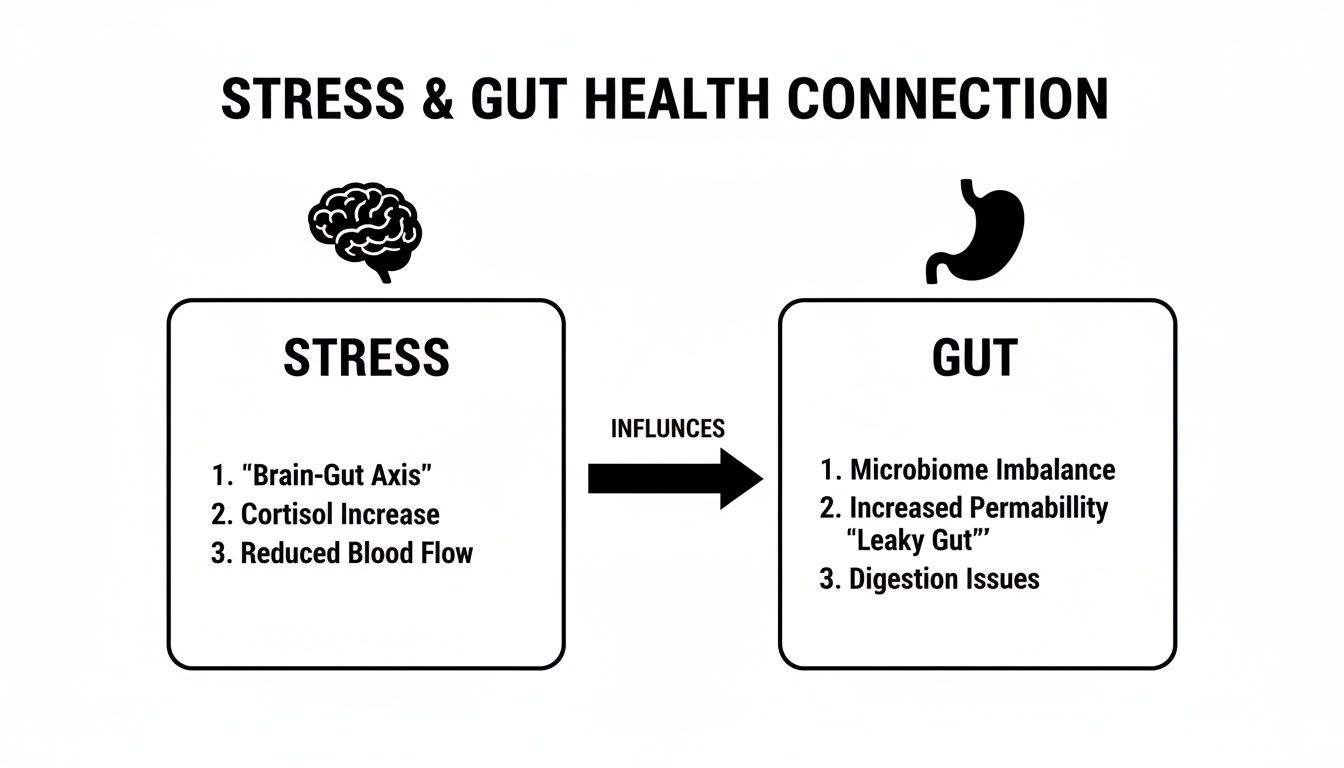
When you help your body manage the physical fallout of stress with adaptogens, you're also protecting your gut lining and supporting a healthy microbiome—two things that are essential for balanced hormones.
Let’s talk about a couple of the most well-researched adaptogens.
Ashwagandha for Adrenal Support
If you constantly feel "wired but tired," Ashwagandha is an herb worth looking into. It’s been a cornerstone of Ayurvedic medicine for centuries for its ability to soothe the nervous system and build resilience. Solid research shows it can significantly lower cortisol, which often translates to better sleep, less anxiety, and more stable energy throughout the day.
For example, a client with a high-stress job who was crashing every afternoon started taking ashwagandha and found she felt calmer and more focused, without the jittery side effects of caffeine.
Important Takeaway: Supplements are supportive tools, not replacements for a healthy lifestyle. Always consult with a healthcare professional before adding any new supplement to your routine to ensure it's safe and appropriate for your individual health needs.
Maca for Energy and Libido
Maca root, from high in the Andes mountains, is fantastic for boosting energy and libido without being a stimulant. Instead of targeting one specific hormone, it seems to nourish the entire endocrine system. It can be particularly helpful for beating the fatigue and brain fog that come with hormonal shifts.
Herbs for Specific Hormonal Pathways
Beyond the adaptogens, some botanicals offer more direct support for specific issues, like estrogen metabolism.
A great example is DIM (diindolylmethane), a compound found in cruciferous veggies like broccoli and cauliflower. DIM is well-known for helping the body metabolize estrogen more efficiently, promoting the creation of "good" estrogen metabolites over the less desirable ones. This can be a huge help for anyone dealing with signs of estrogen dominance.
Ultimately, the wisest approach is to work with a knowledgeable provider. They can run tests to see what you actually need and guide you to high-quality supplements at the right dose, making sure your efforts are both safe and effective.
Your Questions Answered: A Guide to Natural Hormone Balance
Diving into the world of hormone health naturally brings up a lot of questions. I get it. When you're making changes to your daily life, you want to know what to expect and if you're on the right track. Let’s walk through some of the most common questions that come up.
Think of this process less like a quick fix and more like a long-term investment in your well-being. You're giving your body the support it needs to recalibrate, and that takes time and consistency.
How Long Does This Actually Take?
This is easily the number one question, and the real answer is, it’s different for everyone. Some people start feeling more energetic or notice their mood improving within just a couple of weeks of cleaning up their diet and prioritizing sleep. That's fantastic when it happens!
For others, especially if the imbalance has been going on for years, it might take a solid 2-3 months before you see real movement in things like irregular cycles or that stubborn weight that won’t budge.
Your personal timeline depends on a few things:
- What you’re working on: Getting cortisol levels in check might happen faster than correcting a deeper thyroid issue.
- Where you’re starting from: If there’s a lot of inflammation or gut issues to address first, that foundational work can take a bit longer.
- How consistent you are: Sticking with the nutrition, sleep, and stress strategies day in and day out is what truly moves the needle.
The key is patience. You're working to undo patterns that likely took months, or even years, to develop. Celebrate the small wins along the way—they're proof you’re heading in the right direction.
What Symptoms Should I Actually Be Tracking?
Keeping track of how you feel is one of the most powerful tools you have. It’s not just about what the scale says; it's about connecting your daily actions to your body's signals. This is how you'll see tangible proof that your efforts are paying off.
Try to monitor these key bio-markers:
- Energy Levels: Do you still need that 3 PM coffee? Jot down your energy levels throughout the day.
- Sleep Quality: Are you falling asleep more easily? Staying asleep through the night?
- Mood & Cravings: A simple note on your daily mood or any intense cravings can reveal powerful patterns.
- Menstrual Cycle: For anyone who menstruates, tracking cycle length, PMS symptoms, and the nature of your flow is non-negotiable.
When Is It Time to Call a Doctor?
Lifestyle changes are incredibly effective, but they have their limits. Knowing when to bring in a professional isn't a failure—it's smart self-care.
You should absolutely book an appointment with a healthcare provider if:
- Your symptoms are severe and getting in the way of your work, relationships, or daily happiness.
- You notice sudden, significant weight changes, whether it’s a gain or a loss.
- Your periods are dangerously heavy, or you miss them for three or more months in a row.
- You have good reason to suspect an underlying condition like PCOS, endometriosis, or a thyroid disorder.
A knowledgeable doctor can order the right tests to get a clear picture of what's going on and help you build a more targeted plan.
At The Happy Health Blog, our goal is to give you the trusted information and practical tools you need to feel your best. For more expert-backed guides and tips for your health journey, come visit us at https://thehappyhealthblog.com.
