


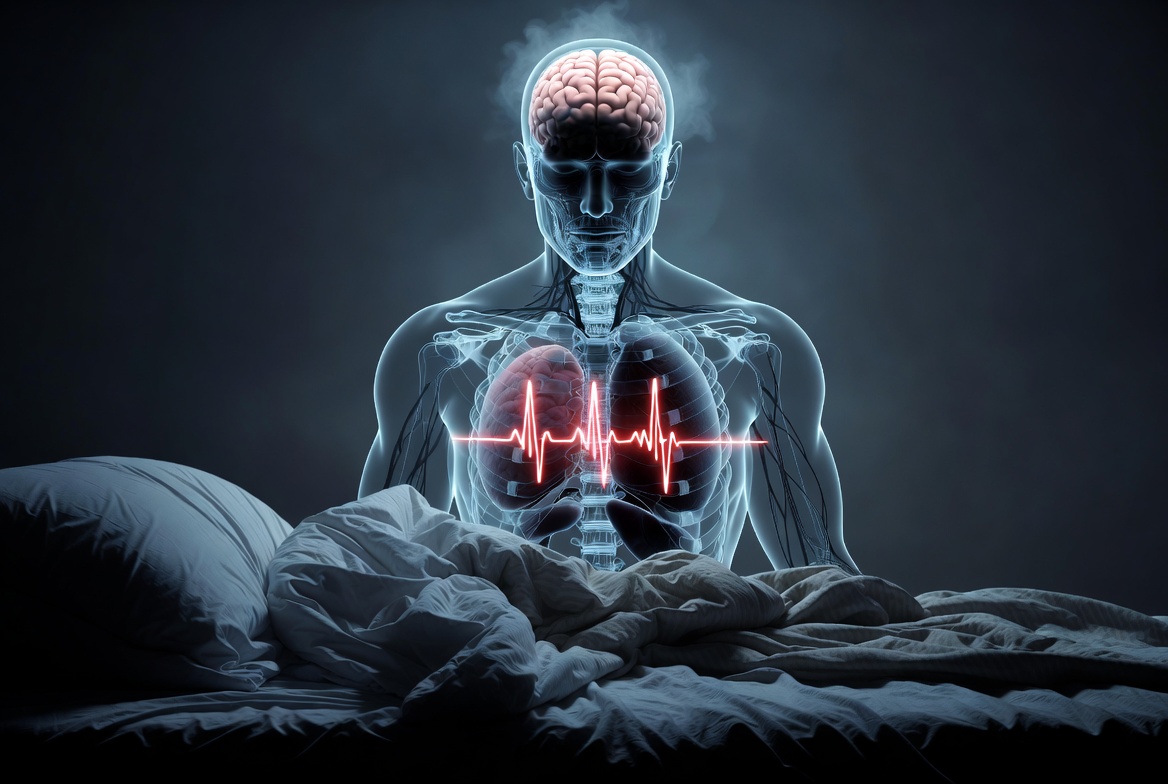
Maintaining a regular and restorative sleep pattern is one of the key foundations of human health and physical performance. In today’s modern lifestyle, many people find it difficult to manage their daily routines and often compromise on proper rest. This eventually results in a condition known as chronic sleep deprivation. This issue is not limited to short-term tiredness but represents a deep biological burden that can gradually affect almost every organ system in the body over time.
When you ask what is sleep deprivation, you are referring to a complex physiological condition in which the body fails to get enough rest to carry out its essential repair and recovery processes. Early sleep deprivation symptoms may appear mild, such as reduced concentration or an increased need for caffeine. However, over time, a long term lack of sleep triggers a series of harmful hormonal and metabolic changes that become difficult to reverse without making significant lifestyle adjustments.
Understanding the sleep deprivation effects on your brain and heart is important for anyone aiming to maintain long term health and overall well being. By focusing on the science behind proper recovery, you can make smarter decisions about your sleep routine. In this part, we will look at the deeper impacts of these habits and how the symptoms of sleep deprivation show up in daily life, guiding you toward better recovery and clearer mental functioning.
Defining the biological reality and what is sleep deprivation
The human body naturally operates according to a circadian rhythm that controls when we stay awake and when we rest for proper tissue repair. When chronic sleep deprivation occurs, the body is pushed into a continuous state of stress and emergency functioning. In clinical terms, what is sleep deprivation refers to the ongoing inability to achieve the deep sleep stages necessary for proper cognitive processing and cellular detoxification.
During a normal night of sleep, the brain activates the glymphatic system to clear out metabolic waste that builds up throughout the day. When there is a long term lack of sleep, these harmful substances are not properly removed and can remain within neural pathways, leading to mental fog and memory difficulties often linked with this condition. This clearly highlights that rest is not a luxury but a basic requirement for maintaining the structural health and proper functioning of the human brain.
Identifying early sleep deprivation symptoms in daily life
The earliest indicators that your body is under strain are usually mild and can easily go unnoticed if you are not attentive to your internal signals. Common sleep deprivation symptoms include ongoing irritability along with a clear reduction in your ability to manage complex problem-solving tasks or cope with emotional stress at work.
- Persistent daytime sleepiness even after consuming stimulants like coffee
- Frequent changes in mood and a lower threshold for frustration
- Difficulty concentrating on single tasks for more than a few minutes
- A noticeable increase in appetite especially for high calorie sugary foods
- Slowed reaction times that can be dangerous when driving or operating machinery
- Frequent headaches and a general feeling of physical heaviness in the limbs
The serious cardiovascular sleep deprivation effects on men
One of the most serious sleep deprivation effects is the pressure it places on the heart and overall vascular system. When the body does not get sufficient rest, blood pressure stays elevated for extended periods because the nervous system remains in a constant fight or flight mode. Chronic sleep deprivation also disrupts the natural nighttime drop in blood pressure that is needed to protect the arterial walls and maintain healthy circulation.
Long term lack of sleep has a strong connection with a higher risk of hypertension and coronary artery disease. This happens because the body starts producing increased levels of C reactive protein, which is an indicator of inflammation in the system. When inflammation remains persistent in the arteries, they can become less flexible and more vulnerable to plaque accumulation. Over time, this significantly raises the chances of serious cardiac complications, especially as age and lifestyle pressures increase.
How chronic sleep deprivation impacts metabolic health and weight
The hormonal system that controls hunger and satiety is very sensitive to how much sleep you get each night. Two important hormones, ghrelin and leptin, are directly influenced by sleep deprivation effects on the endocrine system. Ghrelin, which triggers feelings of hunger, rises significantly, while leptin, which signals fullness, decreases to concerning levels.
- Lowered insulin sensitivity which increases the risk of type two diabetes
- Higher levels of cortisol which promotes the storage of visceral fat
- A slower metabolic rate as the body tries to conserve energy due to exhaustion
- Increased cravings for processed carbohydrates to get a quick energy boost
- Difficulty building or maintaining muscle mass due to low growth hormone
- Systemic inflammation that interferes with healthy digestion and nutrient uptake
Understanding the cognitive decline from symptoms of sleep deprivation
The brain needs deep sleep to transfer information from short term memory into long term storage through a process known as consolidation. When you continue to ignore symptoms of sleep deprivation, you are effectively blocking your brain from properly organizing and processing the information learned during the day. Over time, this can result in reduced learning ability and may increase the risk of neurodegenerative problems later in life.
Effects of chronic sleep deprivation also involve a noticeable decrease in the activity of the prefrontal cortex, the area of the brain responsible for logical thinking and impulse control. This explains why individuals who are sleep deprived often make poor financial or personal choices that they later regret, as their brain struggles to evaluate the consequences of actions in real time.
The immune system and the long term lack of sleep
Your immune system depends on the production of cytokines and other protective proteins during deep sleep to help fight infections and long term diseases. When you experience a long term lack of sleep, the body produces fewer of these essential defenders, making you more vulnerable to common colds as well as more severe respiratory illnesses that may leave you unwell for extended periods.
- Reduced production of antibodies that are necessary for fighting viruses
- Slower healing times for physical injuries and skin conditions
- Increased susceptibility to chronic low grade infections in the gut
- A higher risk of developing autoimmune responses due to immune confusion
- Lowered effectiveness of vaccines as the body cannot mount a proper response
- Chronic inflammation that taxes the immune system until it reaches exhaustion
Psychological sleep deprivation effects and mental health
There is a strong two way connection between rest and mental health, where each continuously influences the other in an ongoing cycle. The psychological sleep deprivation effects can be severe, often resulting in higher anxiety levels and an increased risk of developing clinical depression over time when sleep problems are ignored for years.
Symptoms of sleep deprivation frequently resemble other mental health conditions, which can lead to incorrect diagnosis if the root issue of poor rest is not identified. When a person is exhausted, the brain loses its ability to properly regulate emotions, causing minor issues to feel overwhelming and reducing the sense of joy or satisfaction from positive experiences in everyday life.
The impact of chronic sleep deprivation on physical appearance
Your skin is the largest organ of the body and is often the first area where the effects of chronic sleep deprivation become visible. During proper rest, the body naturally produces collagen and works to repair skin cells that have been damaged by UV exposure and environmental toxins throughout the day.
- Deep dark circles under the eyes due to dilated blood vessels
- A sallow or pale complexion caused by poor blood flow to the skin
- Increased fine lines and wrinkles due to a lack of collagen production
- More frequent breakouts as cortisol triggers increased oil production
- Slowed healing of blemishes and a general lack of skin elasticity
- Puffy eyes caused by fluid retention and high levels of internal stress
Strategic lifestyle changes to reverse effects of chronic sleep deprivation
The positive aspect is that the human body has a strong ability to recover when it is given the proper environment and consistent healthy habits. To reverse the sleep deprivation effects, it is essential to treat rest as a top priority, almost like a critical medication that should never be skipped or postponed.
- Create a strict rest schedule that you follow even on the weekends
- Remove all electronic devices from the sleeping area to reduce blue light
- Keep the temperature of the room cool to facilitate deep body cooling
- Avoid consuming caffeine or heavy meals at least six hours before your target time
- Use natural minerals like magnesium to help calm the nervous system
- Engage in daily physical activity to increase the natural drive for rest at night
The professional and social cost of chronic sleep deprivation
Beyond physical health risks, there is also a significant social and professional impact associated with living in a constant state of exhaustion. The sleep deprivation effects on productivity are well known, with research showing that an exhausted individual can perform at a level similar to someone who is legally impaired. This often results in increased workplace errors and a gradual decline in professional reputation over time.
In social situations, the symptoms of sleep deprivation can make it harder to stay present and emotionally engaged with friends and family. Many individuals may begin to withdraw from social interactions simply because they lack the energy to communicate. This isolation can further intensify the psychological impact and ultimately reduce overall life satisfaction and personal well being.
Conclusion
Protecting long term health requires a strong commitment to the body’s essential biological needs, with rest being one of the most important priorities. By identifying early sleep deprivation symptoms and making timely improvements to your daily routine, you can reduce the risk of serious cardiovascular and metabolic issues linked to a long term lack of sleep. Staying consistent with recovery goals and adopting a lifestyle that values deep restorative rest as much as productivity is key. Achieving overall health depends on balancing daily activity with the deep physical recovery that only occurs during sleep, leading to a more energetic and healthier life when the natural circadian rhythm is properly respected.
Frequently asked questions
How long does it take to recover from chronic sleep deprivation
Recovery time depends on how long the sleep shortage has lasted. Many people notice better focus and mental clarity after just a few nights of consistent, good quality sleep. However, restoring long term metabolic balance and reversing sleep deprivation effects on the heart and body may require several months of healthy routines and proper sleep habits.
Can you really catch up on rest during the weekend
Getting extra sleep on weekends may help reduce short term tiredness, but it does not fully fix chronic sleep deprivation. The body needs a stable daily sleep pattern to keep hormones balanced and support immune function. Irregular recovery attempts can also disturb the natural rhythm, which may worsen fatigue over time.
What is sleep deprivation doing to my blood sugar levels
A prolonged lack of sleep can reduce how effectively the body responds to insulin, leading to higher blood sugar levels. This is one of the most serious sleep deprivation effects because it increases the risk of insulin resistance, and if it continues, it may contribute to the development of type two diabetes.
Are the sleep deprivation symptoms different for men and women
Although many symptoms overlap, men and women can experience slightly different effects. Men are more likely to face stronger cardiovascular strain and reduced testosterone levels, while women may experience more hormonal fluctuations and increased sensitivity to emotional sleep deprivation effects on mental well being.
Is it safe to use medication for chronic sleep deprivation long term
In most cases, experts recommend focusing on natural sleep improvement strategies before depending on medication. Some drugs can interfere with normal sleep cycles if used for a long time. If sleep deprivation symptoms are severe or ongoing, consulting a healthcare professional is the safest approach for finding a sustainable solution.
