


In a world that demands constant performance, feeling drained has become the new normal for many. While reaching for another cup of coffee or a sugary snack might offer a temporary fix, these solutions often lead to an inevitable crash, leaving you more depleted than before. True, sustainable vitality doesn't come from a quick jolt; it's built from a foundation of holistic wellness practices that support your body's innate energy systems. What if you could tap into a reservoir of natural, sustained energy without this reliance on a constant stream of stimulants?
This comprehensive guide moves beyond generic advice to explore the science-backed world of natural remedies for energy. We will provide specific, actionable strategies that genuinely work to combat fatigue at its source. We've curated a list of the most effective methods, from ancient adaptogenic herbs like Ashwagandha that help your body manage stress to simple hydration tweaks that can revolutionize your afternoon focus. We will delve into how specific nutrients, such as B-complex vitamins and iron, play a crucial role in cellular energy production and how to incorporate them effectively into your routine.
This article is designed to be your practical roadmap to reclaiming your vitality. You will learn not just what to do, but how to do it, with clear explanations on dosages, timing, and real-world applications. Whether it's optimizing your sleep for deeper restoration or integrating powerful superfoods like Spirulina, we are here to show you how to rebuild your energy from the ground up. Let's dive into ten proven remedies that will help you feel more alive, focused, and ready to take on your day.
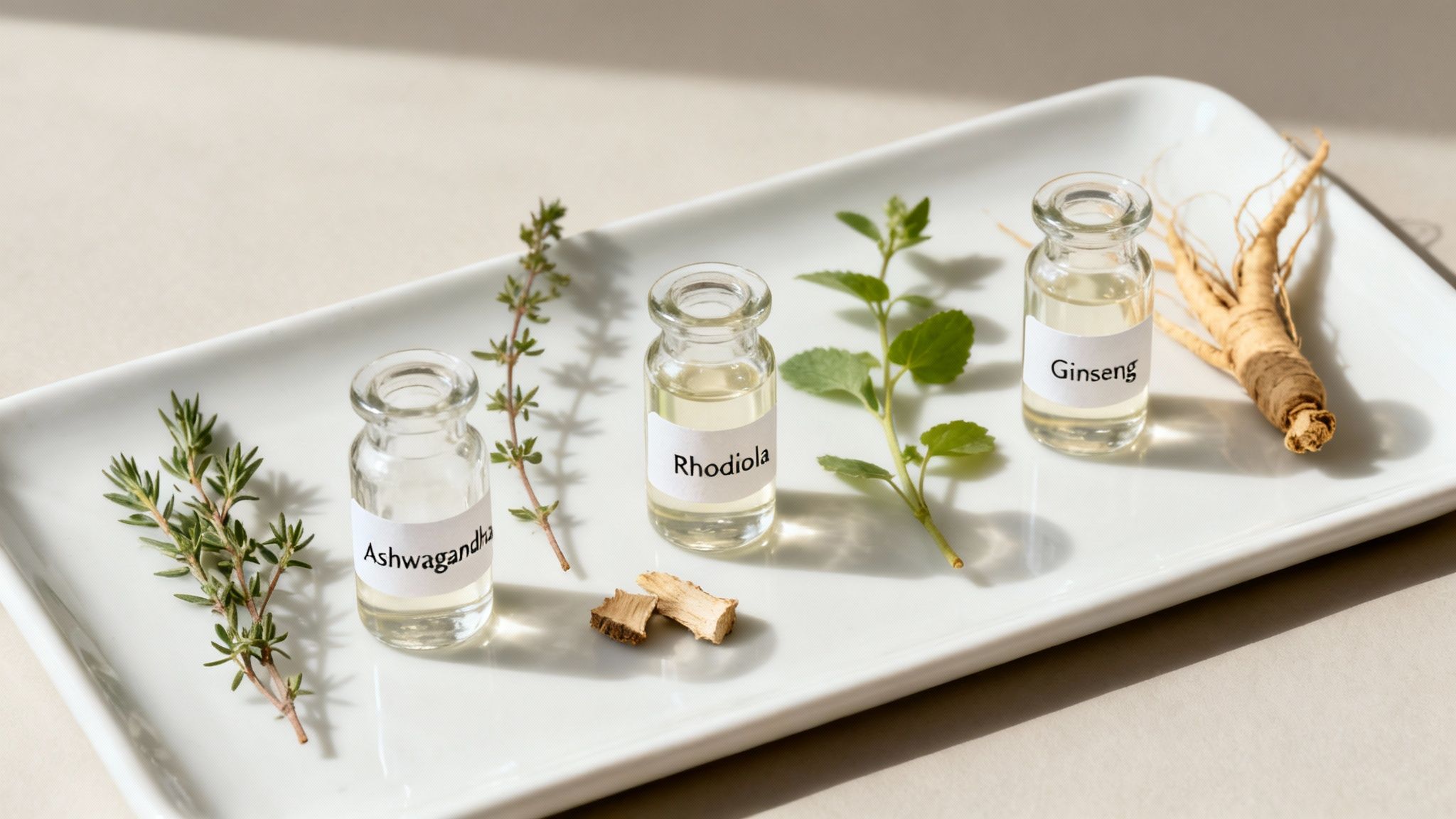
1. Adaptogenic Herbs (Ashwagandha, Rhodiola, and Ginseng)
Adaptogenic herbs are a class of plants that help the body resist and adapt to physical, chemical, and biological stressors. Instead of providing a temporary jolt like caffeine, these natural remedies for energy work by modulating your body's stress response system, specifically the hypothalamic-pituitary-adrenal (HPA) axis. By supporting adrenal function and regulating cortisol levels, adaptogens help you maintain equilibrium, preventing the energy crashes associated with chronic stress.
This intelligent, balancing action is what makes adaptogens a powerful tool for sustainable energy. They don’t just mask fatigue; they help your system become more resilient over time.
Key Adaptogens for Energy
While many adaptogens exist, three stand out for their well-researched effects on stamina and vitality:
- Ashwagandha (Withania somnifera): Revered in Ayurvedic medicine, Ashwagandha is known for its calming yet energizing properties. It excels at reducing stress-induced fatigue, helping you feel more resilient during demanding periods. Studies show it can improve cardiorespiratory endurance and reduce cortisol, making it ideal for those feeling both tired and wired.
- Rhodiola (Rhodiola rosea): A classic performance enhancer, Rhodiola is favored by athletes and professionals for its ability to fight mental and physical fatigue. It is believed to work by increasing ATP (the primary energy currency of cells), making it effective for boosting short-term stamina and concentration.
- Ginseng (Panax ginseng): Often called "true ginseng," this root is a cornerstone of traditional Chinese medicine for enhancing physical performance and vitality. It combats fatigue by supporting cellular energy production and has been shown to improve feelings of calmness and mental performance.
How to Use Adaptogens Effectively
To get the most out of these herbs, proper usage is key. They work best when taken consistently over weeks or months, allowing your body to adapt.
- Start Low, Go Slow: Begin with the lowest recommended dose on the product label to assess your tolerance before increasing.
- Timing Matters: Take adaptogens in the morning or early afternoon to align with your body’s natural cortisol rhythm and avoid potential sleep disruption.
- Choose Standardized Extracts: Look for supplements standardized to a certain percentage of active compounds (e.g., withanolides in Ashwagandha) for consistent potency.
- Consult a Professional: Always speak with a healthcare provider before starting any new supplement, especially if you are pregnant, nursing, or taking prescription medications like immunosuppressants or blood thinners.
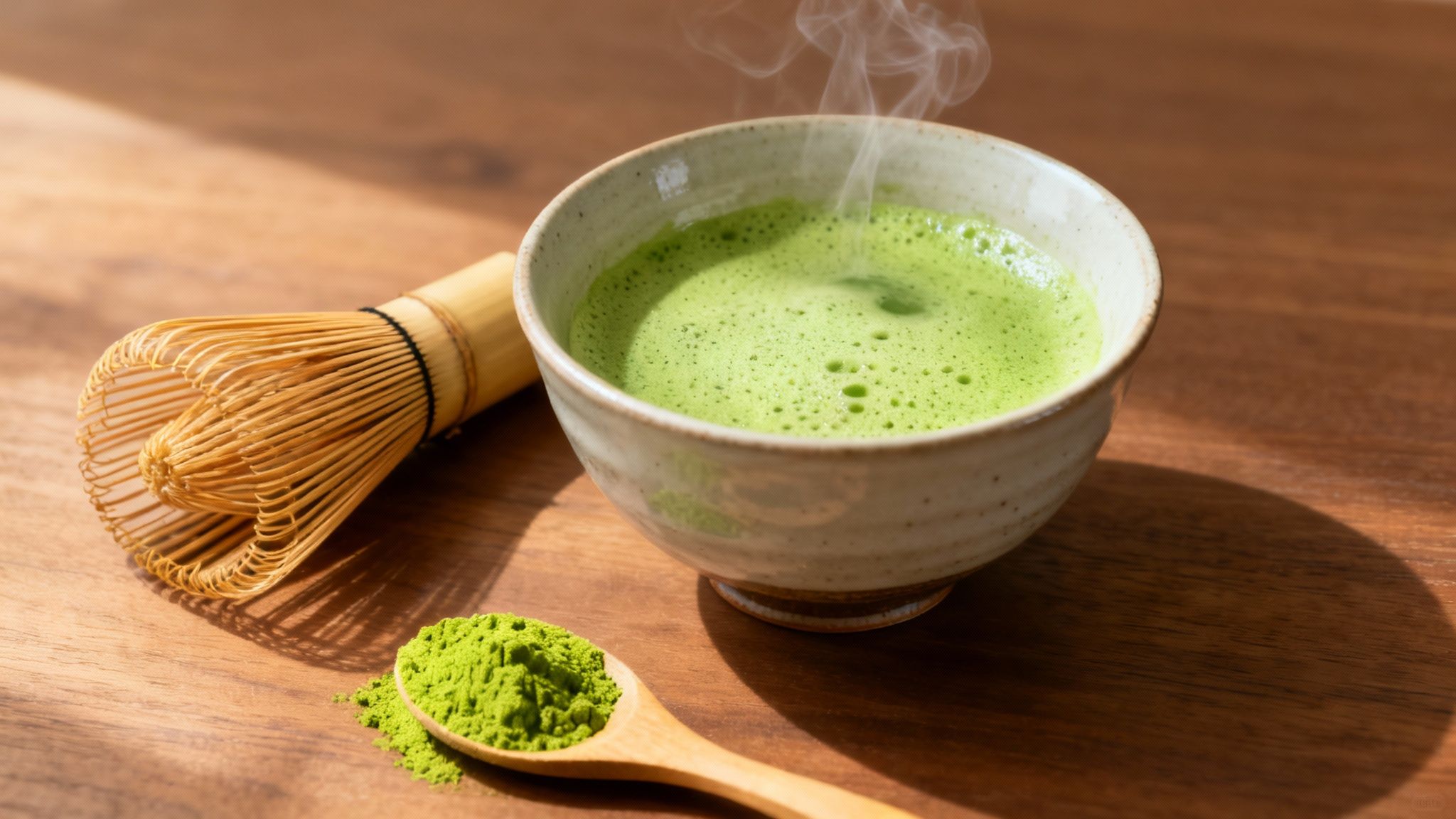
2. Matcha Green Tea
Matcha is a finely ground powder of specially grown and processed green tea leaves, traditionally used in Japanese tea ceremonies. Unlike regular green tea, where leaves are steeped and discarded, with matcha you consume the entire leaf. This provides a potent concentration of caffeine and a unique amino acid called L-theanine, a combination that delivers one of the most effective natural remedies for energy available. This synergy promotes a state of "calm alertness," providing sustained energy and mental focus without the jitters or crash associated with coffee.
The L-theanine slows the body's absorption of caffeine, resulting in a longer, more stable energy boost. Additionally, matcha is rich in chlorophyll and antioxidants like EGCG (epigallocatechin gallate), which support cellular health and metabolism, enhancing your body's ability to produce and utilize energy efficiently.
Key Benefits of Matcha for Energy
Matcha's unique composition makes it a superior choice for those seeking both mental clarity and physical stamina. Its benefits are widely recognized, from ancient practices to modern wellness routines:
- Sustained, Jitter-Free Energy: The caffeine-L-theanine combination provides a 3-6 hour energy boost that enhances focus and concentration without the anxiety or sudden crash that often follows high-caffeine drinks.
- Enhanced Cognitive Function: L-theanine is known to increase alpha brain waves, which are associated with a state of relaxed awareness and creativity. This makes matcha ideal for professionals needing sustained focus or students during study sessions.
- Metabolic and Antioxidant Support: The high concentration of catechins, particularly EGCG, helps protect cells from oxidative stress and can support a healthy metabolism, contributing to overall vitality and endurance.
How to Prepare and Use Matcha
Proper preparation is crucial to enjoying matcha's full benefits and flavor. A poorly made cup can taste bitter, but a well-prepared one is smooth, rich, and invigorating.
- Choose Quality: Invest in ceremonial-grade matcha for the best flavor and highest concentration of beneficial compounds. It has a vibrant green color and a fine, silky texture.
- Sift First: Always sift the matcha powder through a fine-mesh sieve to prevent clumps and ensure a smooth, frothy consistency.
- Use Proper Water Temperature: Use water that is hot but not boiling (around 175°F or 80°C). Boiling water will scorch the powder and create a bitter taste.
- Whisk Vigorously: Use a bamboo whisk (chasen) to whisk the matcha and hot water in a "W" or "M" motion until a fine froth forms on the surface. For convenience, a small electric frother also works well. Start with 1-2 teaspoons per 8 ounces of water.
3. B-Complex Vitamins
The B-complex vitamins are a group of eight essential water-soluble nutrients that play a foundational role in your body's energy production. These micronutrients act as coenzymes in metabolic processes, directly helping to convert the food you eat into adenosine triphosphate (ATP), the primary energy currency of your cells. When your intake of these vitamins is inadequate, your entire energy production cycle can become sluggish, leading to persistent fatigue.
Unlike stimulants that provide a temporary boost, B vitamins address energy at a cellular level. Specifically, vitamins B6, B12, and folate (B9) are crucial for mitochondrial function and red blood cell formation, which ensures oxygen is delivered efficiently throughout your body. Because they are not stored long-term, a consistent daily intake is vital for maintaining optimal energy.
Key B Vitamins for Energy
While all eight B vitamins work synergistically, several are particularly known for their impact on combating fatigue:
- Vitamin B12 (Cobalamin): Essential for neurological function and the formation of red blood cells. A B12 deficiency is a well-known cause of fatigue and weakness, making it a critical supplement for vegetarians, vegans, and older adults who are at higher risk of deficiency.
- Vitamin B6 (Pyridoxine): Involved in over 100 enzyme reactions, primarily related to protein metabolism. It also helps produce neurotransmitters like serotonin and norepinephrine, which influence mood and energy levels.
- Folate (Vitamin B9): Works closely with B12 to create red blood cells and help iron work properly in the body. Low folate levels can lead to a specific type of anemia that causes significant fatigue.
How to Use B Vitamins Effectively
To ensure these nutrients properly support your energy, it’s important to focus on both diet and smart supplementation.
- Prioritize Food Sources: Incorporate B-rich foods into your daily diet, such as eggs, salmon, leafy greens like spinach, mushrooms, and almonds.
- Choose a B-Complex: Since B vitamins work together, a B-complex supplement often provides better results than taking isolated B vitamins unless a specific deficiency is identified.
- Look for Bioavailable Forms: Opt for supplements with methylated forms of B12 (methylcobalamin) and folate (methylfolate), as they are more easily absorbed and utilized by the body.
- Time It Right: Take your B-complex supplement in the morning with breakfast to support energy production throughout the day and enhance absorption.
- Check Your Levels: Before starting high-dose supplementation, ask your healthcare provider for a blood test to check for specific deficiencies. This helps tailor your approach and avoid unnecessary intake.
4. Proper Hydration with Mineral Water
Dehydration is one of the most common and easily overlooked causes of fatigue. Even a mild fluid loss of just 1-2% of your body weight can significantly impair cognitive function, mood, and physical performance, leaving you feeling sluggish and drained. Reaching for water is a foundational natural remedy for energy, and choosing mineral water can provide an extra boost by replenishing essential electrolytes.

Unlike purified water, mineral water contains dissolved minerals like magnesium, potassium, and calcium. These electrolytes are crucial for nerve transmission, muscle function, and converting food into usable energy. When you're properly hydrated and your electrolyte levels are balanced, your body's cellular processes operate efficiently, directly combating fatigue.
Key Benefits of Hydration for Energy
Proper hydration is not just about quenching thirst; it’s about optimizing your body’s entire operating system. The energy-boosting effects are widely recognized and applied in various fields:
- Improved Physical Performance: Sports medicine professionals consistently emphasize hydration for athletes. Proper fluid and electrolyte balance prevents muscle cramps and fatigue, allowing for greater endurance and power output.
- Enhanced Cognitive Function: An office worker battling the afternoon slump may find that a glass of water is more effective than another coffee. Hydration improves concentration, reduces brain fog, and supports mental clarity.
- Sustained Endurance: Endurance athletes often rely on mineral-rich water or electrolyte-enhanced drinks to maintain performance over long periods, preventing the energy crash that comes with dehydration and mineral loss through sweat.
- First-Line Fatigue Treatment: Many medical professionals recommend increasing fluid intake as a primary step for patients complaining of general tiredness, as it's a simple, effective, and often sufficient solution.
How to Hydrate Effectively
To leverage water as a tool for sustained energy, a consistent and mindful approach is more effective than chugging large amounts at once.
- Establish a Baseline: Aim for 8-10 glasses (64–80 ounces) of water daily. Increase this amount if you are active, live in a hot climate, or are sweating more than usual.
- Sip Steadily: Drink water consistently throughout the day to maintain stable hydration levels. Keeping a water bottle on your desk or with you serves as a great visual reminder.
- Enhance with Minerals: Choose a quality mineral water or add a pinch of sea salt and a squeeze of lemon to your water to naturally add electrolytes.
- Check Your Urine: The color of your urine is a simple indicator of hydration. Aim for a pale, straw-yellow color; dark yellow or amber usually signals a need for more fluids.
- Time It with Activity: Drink water before, during, and after exercise to replace lost fluids and support muscle recovery. Herbal teas and water-rich foods like cucumber also contribute to your daily goals.
5. Iron-Rich Foods and Supplementation
Iron is an essential mineral that plays a central role in energy production. It is a critical component of hemoglobin, the protein in red blood cells responsible for transporting oxygen from your lungs to every cell in your body. When iron levels are low, oxygen delivery falters, leading to profound fatigue, weakness, and brain fog. Iron deficiency anemia is one of the most common nutritional deficiencies worldwide and a primary cause of persistent low energy, particularly affecting women of childbearing age, vegetarians, and athletes.
Addressing iron status is not just about supplementing a deficiency; it is about ensuring your body’s entire energy transport system is functioning optimally. Restoring iron to adequate levels allows your cells to get the oxygen they need to produce energy efficiently, making this one of the most fundamental natural remedies for energy.
Key Sources of Dietary Iron
Iron comes in two forms, and understanding the difference is key to improving your levels.
- Heme Iron: Found in animal products, heme iron is highly bioavailable, meaning your body absorbs it very easily. Excellent sources include red meat, poultry (especially dark meat), and fish like tuna and sardines. Consuming these foods 2-3 times per week can significantly boost iron stores.
- Non-Heme Iron: Found in plant-based foods, non-heme iron is less easily absorbed than its animal-based counterpart. Key sources include legumes (lentils, chickpeas, beans), dark leafy greens (spinach, kale), tofu, and iron-fortified cereals. Vegetarians must be strategic about intake to meet their needs.
How to Boost Iron Levels Effectively
Optimizing iron requires a mindful approach to both diet and supplementation. Never supplement without confirming a deficiency through blood work, as excess iron can be toxic.
- Confirm with a Blood Test: Before supplementing, ask your doctor for a blood test that includes ferritin levels. Ferritin is your body’s stored iron and the most accurate indicator of your iron status.
- Pair with Vitamin C: Vitamin C dramatically enhances the absorption of non-heme (plant-based) iron. Squeeze a lemon over your spinach salad, add bell peppers to a bean dish, or drink a small glass of orange juice with your iron-fortified breakfast.
- Time Your Intake: Compounds in coffee and tea (tannins) and calcium in dairy can inhibit iron absorption. Wait at least one to two hours after an iron-rich meal before consuming these items.
- Supplement Smartly: If supplementation is recommended, take your iron supplement on an empty stomach for maximum absorption. If it causes stomach upset, take it with a small amount of food that is low in calcium.
6. Honey and Raw Carbohydrates
Raw carbohydrates, particularly in the form of honey, offer a unique dual-action energy boost. Unlike refined sugars that lead to a rapid spike and subsequent crash in blood sugar, raw honey provides a readily available source of glucose for immediate fuel while its fructose component offers a slower, more sustained release. This combination provides both quick and lasting power for the brain and muscles.
The natural enzymes, antioxidants, and trace minerals found in raw, unfiltered honey also support overall metabolic function. This makes it a smarter, more nutrient-dense choice than empty-calorie sweeteners, solidifying its place as one of the most ancient and effective natural remedies for energy.
Key Carbohydrates for Energy
While complex carbohydrates from whole foods are crucial, raw honey stands out for its unique composition and rapid usability:
- Raw Honey: As a simple carbohydrate, honey is quickly absorbed into the bloodstream, making it an excellent pre-workout or pre-activity fuel. Ancient Olympic athletes famously consumed honey for endurance. Its natural composition allows for efficient energy conversion without the harsh crash associated with processed sugars.
- Manuka Honey: Hailing from New Zealand, Manuka honey contains an active compound called methylglyoxal (MGO). Rated by its Unique Manuka Factor (UMF), it offers additional antibacterial and anti-inflammatory benefits alongside its potent energizing properties, making it ideal for supporting vitality during seasonal challenges.
- Complex Carbohydrates: For longer-lasting energy, pairing honey with complex carbohydrates like oatmeal or whole-grain toast provides a steady release of glucose over several hours, preventing dips in stamina and focus throughout the day.
How to Use Honey Effectively
To harness the full energy-boosting potential of honey, timing and quality are paramount.
- Pre-Activity Fuel: Consume one tablespoon of raw honey 15-30 minutes before physical or mental exertion for a quick and accessible energy source.
- Pair for Endurance: Combine honey with a source of protein or fat, like nut butter or Greek yogurt, to slow down its absorption and create a more sustained energy curve.
- Choose Raw and Unfiltered: Select raw, unpasteurized honey to ensure its beneficial enzymes and phytonutrients are intact. Look for a UMF rating of 10+ in Manuka honey for added wellness benefits.
- Use as a Natural Sweetener: Swap out refined sugar for honey in your smoothies, oatmeal, or tea to get an energy lift without the negative effects of processed sweeteners. Always store honey at room temperature to preserve its quality.
7. CoQ10 (Coenzyme Q10)
Coenzyme Q10 (CoQ10) is a vitamin-like compound found in every cell of your body, concentrated in the mitochondria, the cellular "power plants." Its primary role is to facilitate the production of adenosine triphosphate (ATP), the fundamental molecule of energy transfer. Without adequate CoQ10, the process of converting food into cellular energy becomes inefficient, leading directly to feelings of fatigue and sluggishness.
While the body produces CoQ10, levels naturally decline with age. Certain medications, particularly statins used for cholesterol management, are also known to deplete its stores. This makes CoQ10 one of the most essential natural remedies for energy, especially for aging adults and those on specific prescriptions.
Key Applications for Energy
CoQ10's role in ATP synthesis makes it a powerful agent for improving physical and mental stamina across various populations:
- Aging Adults: Supplementation can help counteract the natural age-related decline in CoQ10, often leading to a noticeable increase in daily vitality and a reduction in general fatigue.
- Statin Users: Patients taking statin medications frequently report muscle pain and fatigue. Studies show that supplementing with CoQ10 can alleviate these side effects by replenishing depleted levels.
- Athletes: By optimizing mitochondrial function, CoQ10 can enhance athletic performance, improve recovery times, and reduce oxidative stress associated with intense exercise.
- Heart Health: Individuals with cardiovascular conditions often have lower CoQ10 levels. Supplementation has been shown to improve heart function and exercise tolerance, directly impacting energy.
How to Use CoQ10 Effectively
To maximize the benefits of CoQ10, consider these practical guidelines for supplementation:
- Choose the Right Form: Ubiquinol is the active, more bioavailable form and is often recommended for individuals over 40. The standard form, ubiquinone, is generally sufficient for younger, healthy adults.
- Take with Fat: CoQ10 is fat-soluble, so its absorption is significantly enhanced when taken with a meal that contains healthy fats like avocado, olive oil, or nuts.
- Dose Appropriately: A typical daily dose ranges from 100-200 mg. Some people find that splitting the dose (e.g., 100 mg in the morning and 100 mg at lunch) improves absorption.
- Be Patient and Consistent: Unlike a stimulant, CoQ10 builds up in your system over time. Consistent use for at least 8 weeks is often necessary to experience significant energy benefits.
- Consult Your Doctor: It is crucial to speak with a healthcare provider before starting CoQ10, especially if you take blood-thinning medications (like warfarin) or are managing a chronic health condition.
8. Restorative Sleep and Sleep Optimization
Sleep is arguably the most powerful and fundamental of all natural remedies for energy. Far from being a passive state, quality sleep is an active process of restoration where the body repairs tissues, consolidates memories, and regulates crucial hormones like cortisol and growth hormone. Optimizing sleep means creating the ideal conditions for these processes to occur, turning your rest into a potent tool for building sustainable, day-long vitality.
When sleep is consistently deep and restorative, it addresses fatigue at its root cause. It supports cognitive function, metabolic health, and emotional resilience, preventing the burnout that leads to chronic exhaustion. This foundational approach is why elite athletes and top executives now prioritize sleep as a core component of peak performance.
Key Strategies for Sleep Optimization
Improving your energy levels through sleep isn't about sleeping more; it's about sleeping smarter. These evidence-based practices, often called "sleep hygiene," can dramatically improve the quality of your rest.
- Establish a Strict Routine: Go to bed and wake up at the same time every day, even on weekends. This consistency reinforces your body's sleep-wake cycle (circadian rhythm), making it easier to fall asleep and wake up feeling refreshed.
- Engineer Your Environment: Your bedroom should be a sanctuary for sleep. Aim for a cool temperature (around 65°F or 18°C), complete darkness using blackout curtains or an eye mask, and silence or white noise to block disruptions. The bedroom should be reserved for sleep and intimacy only.
- Manage Light Exposure: Avoid screens like phones, tablets, and TVs for at least 30-60 minutes before bed. The blue light they emit suppresses melatonin production, the hormone that signals your body it's time to sleep. Conversely, get bright light exposure in the morning to signal wakefulness.
How to Implement Sleep Hygiene Effectively
Making these changes a consistent part of your routine is what unlocks their energizing benefits.
- Mind Your Consumables: Avoid caffeine after 2 PM, as its stimulating effects can last for hours. Limit alcohol before bed; while it may help you fall asleep faster, it fragments sleep quality later in the night.
- Time Your Exercise: Regular physical activity promotes deeper sleep, but intense workouts within three hours of bedtime can be overstimulating for some.
- Develop a Wind-Down Ritual: Create a relaxing pre-sleep routine. This could include reading a physical book, gentle stretching, meditation, or taking a warm bath. This signals to your brain that it's time to transition into rest mode.
- Address Underlying Issues: If you consistently struggle with sleep despite these efforts, it's important to rule out underlying conditions. For those dealing with severe exhaustion, learning how to recover from burnout often begins with a deep focus on sleep restoration.
9. Spirulina and Chlorella Algae
Spirulina and chlorella are two types of microalgae that have earned a reputation as powerful superfoods. These nutrient-dense, single-celled organisms provide a concentrated source of vitamins, minerals, and antioxidants, making them excellent natural remedies for energy. Their power lies in their comprehensive nutritional profile, which supports cellular energy production and overall vitality.
Unlike targeted supplements, these algae offer a whole-food approach. They deliver a complete set of amino acids, B vitamins (including B12 in some sources), iron, and magnesium, all of which are critical for converting food into usable energy and fighting fatigue.
Key Algae for Energy
While both are nutritional powerhouses, they have slightly different strengths that make them a dynamic duo for boosting energy levels.
- Spirulina (Arthrospira platensis): This blue-green algae is exceptionally high in protein (around 60% by weight) and is a great source of iron, beta-carotene, and phycocyanin, a potent antioxidant. Its nutrients are highly bioavailable, making it a quick and efficient way to nourish your body and support sustained energy. It's often favored by athletes for muscle repair and endurance.
- Chlorella (Chlorella vulgaris): This green algae is famous for its high chlorophyll content, which supports detoxification. It has a tough outer cell wall that must be "cracked" for digestion, but this process unlocks a wealth of nutrients, including iron and vitamin B12. Chlorella is particularly valued for its ability to bind to heavy metals and help remove them from the body, reducing a potential source of chronic fatigue.
How to Use Algae Effectively
Incorporating these green superfoods into your daily routine can provide a significant boost, but it's important to do it correctly for the best results.
- Start with a Small Dose: Begin with 1-2 grams (about half a teaspoon) per day to see how your body responds before gradually increasing to a maintenance dose of 3-5 grams.
- Mask the Taste: The earthy, oceanic flavor can be strong. Blend spirulina or chlorella powder into fruit smoothies, juices, or yogurt to make it more palatable.
- Choose High-Quality Products: Look for algae that is organically grown and tested for heavy metals and contaminants. Reputable brands will provide a certificate of analysis.
- Be Consistent: Like many natural remedies for energy, the benefits of algae build over time. Take it consistently for at least two to three weeks to notice a discernible difference in your energy and vitality.
10. Regular Movement and Exercise
While it may seem counterintuitive to expend energy to gain energy, regular physical activity is one of the most effective and evidence-backed natural remedies for energy. Exercise works on a cellular level by increasing the number and efficiency of mitochondria, the powerhouses of your cells. It also improves oxygen circulation and supports the balance of mood-regulating neurotransmitters like dopamine and serotonin, all of which combat fatigue.
Instead of depleting your reserves, consistent movement builds a more robust energy production system. This explains why sedentary office workers often feel a significant boost from adding a daily walk, and why even those with chronic fatigue can improve their vitality by gradually increasing activity levels.
Key Types of Exercise for Energy
Different forms of movement can target fatigue in unique ways. A balanced routine often yields the best results for sustained energy.
- Moderate Aerobic Activity: Activities like brisk walking, cycling, or swimming are fantastic for improving cardiovascular health and oxygen utilization. This ensures your muscles and brain receive a steady supply of energy, preventing afternoon slumps.
- Strength Training: Building muscle mass increases your resting metabolic rate, meaning your body burns more energy even at rest. This creates a higher baseline energy level and improves overall stamina.
- High-Intensity Interval Training (HIIT): Short bursts of intense effort followed by brief recovery periods can elevate your metabolism for hours after the workout, providing a prolonged energy boost.
How to Exercise for More Energy
The goal is to build momentum without causing burnout. Consistency is more important than intensity when fighting fatigue.
- Start Small: Begin with 20-30 minutes of moderate activity 3-4 times per week. Even a 10-minute walk is a powerful starting point.
- Time It Right: A morning workout can invigorate you for the entire day by aligning with your body's natural cortisol rise. An executive's lunch-hour walk can be the perfect antidote to post-meal drowsiness.
- Combine Disciplines: Aim for a mix of aerobic exercise and strength training (2-3 times per week) to maximize benefits. Getting outdoors for your activity can provide additional mood and energy lifts from sunlight and fresh air.
- Listen to Your Body: Overtraining can be counterproductive and lead to exhaustion. Ensure you schedule rest days for proper recovery. If you are new to physical activity, this guide on how to start exercising can help you build a safe and effective routine.
10 Natural Energy Remedies — Quick Comparison
| Item | Implementation complexity 🔄 | Resource requirements ⚡ | Expected outcomes ⭐📊 | Ideal use cases 💡 | Key advantages |
|---|---|---|---|---|---|
| Adaptogenic Herbs (Ashwagandha, Rhodiola, Ginseng) | Moderate — consistent dosing, brand selection 🔄 | Moderate cost; standardized extracts recommended ⚡ | ⭐⭐⭐ — gradual stress regulation and sustained energy (2–4 weeks) 📊 | Chronic stress, professionals, athletes needing resilience 💡 | Regulates cortisol, supports focus, safe for long-term use |
| Matcha Green Tea | Low — simple prep but requires technique 🔄 | Low–moderate; quality ceremonial grades cost more ⚡ | ⭐⭐⭐ — calm, sustained focus 4–6 hours; antioxidant benefits 📊 | Morning focus, coffee replacement, pre-workout boost 💡 | L-theanine+caffeine synergy, metabolic and antioxidant benefits |
| B-Complex Vitamins | Low — easy supplementation or dietary changes 🔄 | Low cost; widely available ⚡ | ⭐⭐⭐⭐ — rapid improvement if deficient; supports ATP synthesis 📊 | Vegans/vegetarians, high-stress, shift workers, athletes 💡 | Direct role in energy metabolism; affordable and safe (water-soluble) |
| Proper Hydration with Mineral Water | Very low — immediate habit change 🔄 | Minimal cost (tap) to moderate (premium mineral water) ⚡ | ⭐⭐⭐⭐ — immediate cognitive and physical improvement; electrolyte support 📊 | Everyone; athletes; office workers prone to dehydration 💡 | Fast, safe, supports cellular function and circulation |
| Iron-Rich Foods & Supplementation | Moderate — requires testing and timing (avoid inhibitors) 🔄 | Low–moderate; supplements and dietary planning ⚡ | ⭐⭐⭐⭐ — rapid fatigue reversal if iron-deficient; large impact 📊 | Women with heavy menses, vegetarians, endurance athletes 💡 | Addresses root cause (hemoglobin); well-established diagnostics |
| Honey & Raw Carbohydrates | Low — simple consumption timing 🔄 | Low cost; portable but calorie-dense ⚡ | ⭐⭐ — immediate glucose fuel; short-term energy with some sustained effect 📊 | Pre-workout, quick cognitive boost, endurance fueling 💡 | Fast, natural fuel; manuka adds antimicrobial/therapeutic benefits |
| CoQ10 (Coenzyme Q10) | Low–moderate — requires fat for absorption and time to act 🔄 | Moderate–high cost; may prefer ubiquinol form ⚡ | ⭐⭐⭐ — supports mitochondrial ATP over weeks (4–8 weeks) 📊 | Older adults, statin users, athletes seeking mitochondrial support 💡 | Direct mitochondrial cofactor; antioxidant and cardiovascular benefits |
| Restorative Sleep & Sleep Optimization | Moderate–high — behavior and environment changes 🔄 | Low monetary cost but time and consistency required ⚡ | ⭐⭐⭐⭐⭐ — strongest single intervention for sustained energy and recovery 📊 | Everyone, especially those with chronic fatigue or poor sleep habits 💡 | Foundational health benefit; improves hormones, cognition, repair |
| Spirulina & Chlorella Algae | Low — easy to add to diet; taste adjustment 🔄 | Moderate cost; quality/purity important ⚡ | ⭐⭐⭐ — nutrient-dense support for sustained energy over weeks 📊 | Vegans/vegetarians, nutrient gap correction, sustainability-focused users 💡 | Complete amino profile, B vitamins, iron, chlorophyll; small serving size |
| Regular Movement & Exercise | Moderate — habit formation and progression 🔄 | Low cost (time); optional equipment or classes ⚡ | ⭐⭐⭐⭐ — significant increases in mitochondrial capacity and daily energy 📊 | Sedentary individuals, those needing mood/energy improvement, athletes 💡 | Broad systemic benefits: mitochondrial density, sleep quality, mood |
Putting It All Together: Your Path to Lasting Energy
Navigating the landscape of energy enhancement can feel overwhelming, but as we've explored, the most powerful solutions are often rooted in nature and consistent daily habits. True, sustainable vitality isn't about finding a single magic bullet. Instead, it's about creating a powerful, synergistic system where each element supports the others. The journey to reclaiming your energy begins with building a strong foundation and then layering in targeted support.
The most potent natural remedies for energy are the ones you practice consistently. You cannot supplement your way out of a poor sleep schedule or chronic dehydration. Think of your energy system as a pyramid: the base must be solid for the peak to be high. This foundational layer consists of the non-negotiables we covered: restorative sleep, proper hydration with mineral-rich water, and regular, intentional movement. Mastering these three pillars will amplify the effects of every other strategy you implement.
Creating Your Personalized Energy Protocol
With a solid foundation in place, you can begin to experiment with the more targeted remedies to see what resonates with your unique physiology. The beauty of this approach is its flexibility; it empowers you to become an active participant in your own wellness journey. Rather than adopting every suggestion at once, consider a more strategic approach.
Start by identifying your primary energy drainer.
- Feeling mentally scattered and stressed? Adaptogenic herbs like Ashwagandha or Rhodiola could be your starting point, helping your body better manage its stress response.
- Experiencing a mid-afternoon slump? Swapping your second coffee for a cup of Matcha green tea might provide a smoother, more sustained lift without the jitters.
- Notice that your fatigue is accompanied by pale skin or shortness of breath? It might be wise to evaluate your intake of iron-rich foods and consult a professional about potential deficiencies.
The key is to introduce one new element at a time and observe its effects over a week or two. Keep a simple journal to track your energy levels, mood, and sleep quality. This self-awareness is crucial for building a routine that is not just effective but also sustainable for you long-term.
The Bigger Picture: Energy as a Reflection of Overall Health
Ultimately, your daily energy level is a direct reflection of your overall health. Persistent fatigue is your body's way of signaling that something is out of balance. By addressing it with holistic, natural remedies for energy, you are not just masking a symptom; you are nurturing your entire system. You are supporting your cellular mitochondria with CoQ10, nourishing your blood with iron, and calming your nervous system with adaptogens.
This journey is about more than just feeling less tired. It's about cultivating the vitality needed to engage fully with your life. It's about having the stamina to pursue your passions, the mental clarity to excel at your work, and the presence to connect deeply with loved ones. Each small, intentional choice, from adding spirulina to your smoothie to taking a brisk walk at lunch, is an investment in a more vibrant and fulfilling existence.
While these strategies offer profound and evidence-backed benefits, it is essential to remember that persistent, unexplained fatigue can sometimes indicate an underlying medical condition. If your exhaustion doesn't improve with lifestyle changes or is accompanied by other concerning symptoms, always consult a healthcare professional for a comprehensive evaluation.
Empowering yourself with this knowledge is the first, most critical step. Now, it's time to take action. Choose just one or two strategies from this guide that feel most achievable for you right now. Begin there, build momentum, and listen to your body. You have the tools to build a life of abundant, natural energy.
For more in-depth guides, recipes, and expert insights on harnessing the power of nature for your well-being, explore our resources at The Happy Health Blog. We are dedicated to providing you with actionable, evidence-based content to support your journey toward a more energetic and vibrant life. Discover your next step to better health at The Happy Health Blog.
