


The thyroid, a small butterfly-shaped gland at the base of your neck, acts as your body’s metabolic engine, influencing everything from energy levels and weight to mood and heart rate. Its delicate function, however, depends heavily on a consistent supply of specific nutrients. When deficiencies arise, this master gland can struggle, leading to a cascade of health issues. This guide is designed to move beyond generic advice and provide a clear, actionable roadmap to the best foods for thyroid health.
Instead of simply listing foods, we will explore eight essential categories of nutrient-dense options. We'll break down the critical roles of key minerals like iodine, selenium, zinc, and iron, explaining precisely how they support thyroid hormone production and conversion. You will learn not just what to eat, but why it works, how much is effective, and practical ways to prepare these foods for maximum benefit.
This evidence-backed list is more than a simple roundup; it is a comprehensive toolkit for building a thyroid-supportive diet. We will detail specific food sources, from selenium-packed Brazil nuts to iodine-rich seaweed, and provide sample meal ideas to help you integrate them into your daily routine. We will also address important considerations, such as the impact of goitrogens, potential medication interactions, and when to be cautious with supplementation. Whether you are proactively managing your metabolic wellness or navigating a diagnosed thyroid condition, this resource will empower you to make informed, impactful dietary choices that help your thyroid function optimally.
1. Selenium-Rich Foods (Brazil Nuts, Seafood, Eggs)
Selenium is a powerhouse trace mineral essential for thyroid health, acting as a crucial building block for proteins called selenoproteins. These proteins are vital for proper thyroid hormone metabolism and offer potent antioxidant protection to the thyroid gland, which has the highest concentration of selenium in the entire body. Including selenium-rich options is a cornerstone of any diet aimed at finding the best foods for thyroid health.
This mineral plays two fundamental roles. First, it is required for the activity of enzymes that convert the inactive thyroid hormone thyroxine (T4) into its active form, triiodothyronine (T3). Without adequate selenium, this conversion process becomes inefficient, potentially leading to symptoms of an underactive thyroid even if T4 levels are normal.
Second, selenium protects the thyroid from oxidative stress. Thyroid hormone production naturally creates reactive oxygen species (free radicals), which can damage thyroid tissue. Selenoproteins, particularly glutathione peroxidases, neutralize these free radicals, defending the gland from inflammation and damage that can trigger or worsen conditions like Hashimoto's thyroiditis.
Why Selenium is a Thyroid Game-Changer
Clinical evidence underscores selenium's importance. Studies have shown that selenium supplementation can significantly reduce thyroid peroxidase (TPO) antibodies, which are the hallmark of Hashimoto's disease, an autoimmune condition and the leading cause of hypothyroidism in the United States.
A study published in the Journal of Clinical Endocrinology & Metabolism found that individuals with Hashimoto's thyroiditis who supplemented with 200 mcg of selenium daily experienced a notable reduction in TPO antibody levels after just three months, showcasing its immunomodulatory effects.
How to Incorporate Selenium-Rich Foods
Making selenium a consistent part of your diet is simple with these targeted food choices.
- Brazil Nuts: The most potent food source of selenium. Just 1-2 Brazil nuts per day is typically enough to meet your daily needs. Caution: Due to their high concentration, consuming more than a few nuts daily over a long period can lead to selenium toxicity. Store them in the refrigerator to prevent their natural oils from going rancid.
- Seafood: A fantastic and reliable source. Opt for wild-caught fish like tuna, halibut, sardines, and shrimp. A single 3-ounce serving of yellowfin tuna can provide over 90 mcg of selenium, well over the recommended daily amount.
- Eggs: A versatile and budget-friendly option. One large egg contains about 15 mcg of selenium. Including eggs several times a week contributes to a steady intake.
2. Iodine-Rich Foods (Seaweed, Dairy Products, Iodized Salt)
Iodine is the essential, foundational mineral required for the very creation of thyroid hormones. The thyroid gland is uniquely designed to capture and concentrate iodine from the bloodstream, using it as the primary raw material to synthesize thyroxine (T4) and triiodothyronine (T3). Without a sufficient supply, the entire hormone production line grinds to a halt, making adequate iodine intake non-negotiable for anyone looking for the best foods for thyroid health.
This mineral’s role is direct and indispensable. The numbers in T4 and T3 literally refer to the number of iodine atoms attached to the hormone molecule. When iodine levels are low, the thyroid gland cannot produce enough of these hormones, leading to hypothyroidism. In an effort to compensate, the pituitary gland releases more Thyroid-Stimulating Hormone (TSH), causing the thyroid gland to enlarge in an attempt to trap more iodine, which can result in a goiter.
The impact of adequate iodine is so profound that it directly influences your body's metabolic rate. Since thyroid hormones regulate how your cells use energy, a deficiency can slow everything down. For those interested in optimizing their metabolic function, understanding the role of key nutrients like iodine is crucial. You can find more strategies on how to boost your metabolism after 40 and see how thyroid support fits into the bigger picture.
Why Iodine is a Thyroid Game-Changer
The public health success of iodized salt programs provides undeniable proof of iodine's importance. In regions where iodine deficiency was once rampant, the simple act of fortifying table salt led to a dramatic and rapid decline in goiter and other thyroid-related disorders.
Historical data from numerous countries, including the United States and Switzerland, show that the introduction of iodized salt programs reduced the incidence of goiter by as much as 90% within a few decades, effectively eliminating what was once a widespread health crisis.
How to Incorporate Iodine-Rich Foods
Ensuring a steady supply of iodine is straightforward with a few mindful dietary additions. However, moderation is key, as both too little and too much iodine can disrupt thyroid function.
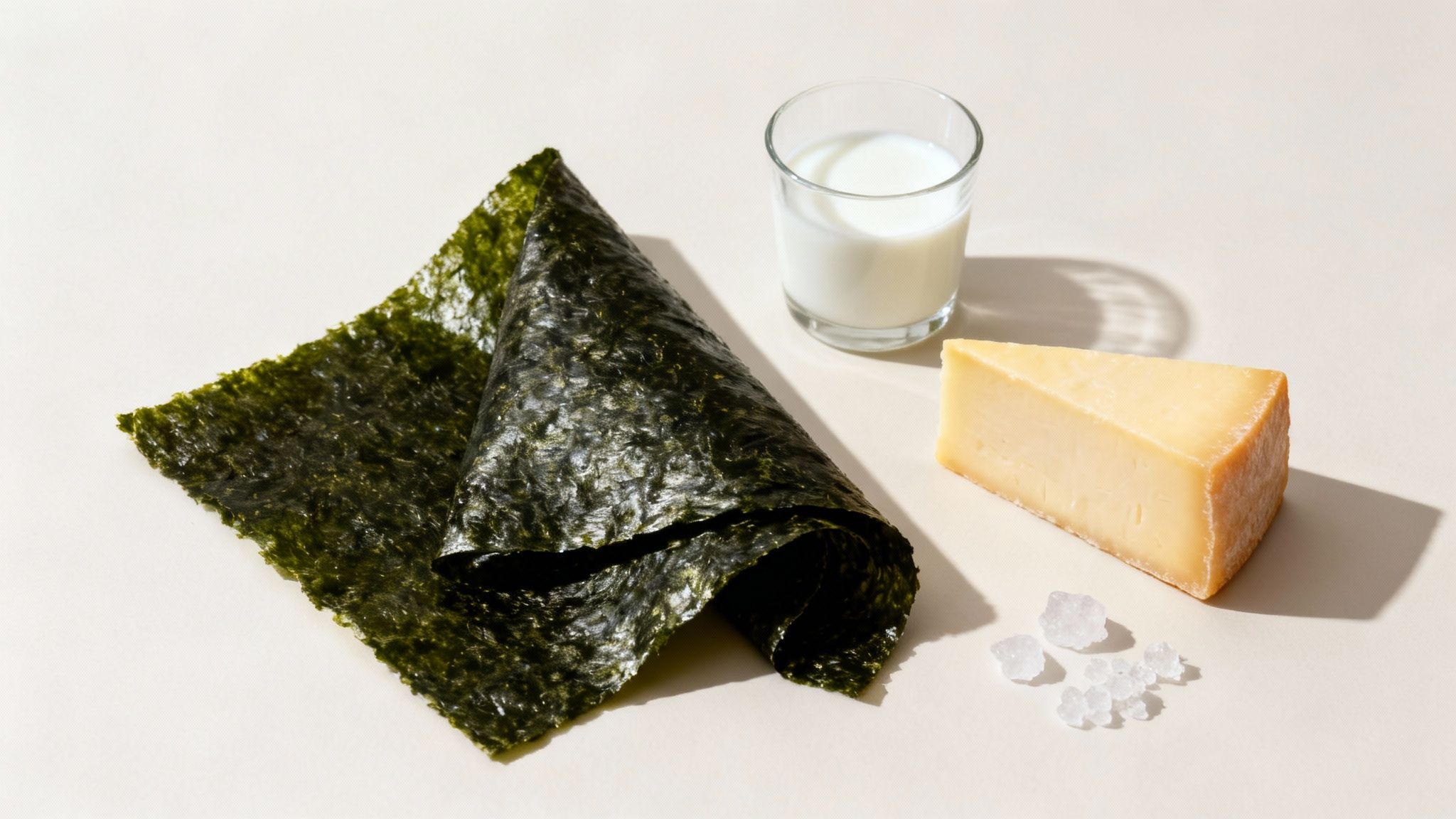
- Seaweed (Kelp, Nori, Kombu): Marine vegetables are the most concentrated natural sources of iodine. A single gram of kombu can contain over 2,000 mcg of iodine, far exceeding the daily need. Use it sparingly as a flavoring in soups or as a condiment. Nori sheets, used for sushi, are a much lower-iodine option for more regular consumption.
- Dairy Products & Eggs: These are reliable and consistent sources in many Western diets. A cup of plain yogurt or milk provides a significant portion of your daily requirement. The iodine content comes from iodine-fortified feed given to livestock and sanitizing agents used in the dairy industry.
- Iodized Salt: The most dependable way to ensure you meet your daily iodine needs. When salting food, opt for iodized salt instead of non-iodized sea salt or kosher salt, as these varieties often contain negligible amounts of iodine. A quarter teaspoon of iodized salt typically provides about 70 mcg of iodine.
3. Iron-Rich Foods (Lean Red Meat, Legumes, Dark Leafy Greens)
Iron is a vital mineral that plays a critical, yet often overlooked, role in thyroid function. It is a key component of thyroid peroxidase (TPO), the very enzyme responsible for producing thyroid hormones. An iron deficiency can directly impair the thyroid's ability to manufacture these hormones, contributing to hypothyroidism and making iron-rich options some of the best foods for thyroid health.
This mineral's impact is twofold. Firstly, without sufficient iron, TPO enzyme activity decreases, slowing down the entire hormone production process within the thyroid gland. Secondly, iron is necessary for the efficient conversion of the inactive T4 hormone into the active T3 hormone in the body's peripheral tissues. An iron deficiency can therefore lead to symptoms of an underactive thyroid, even when the gland is producing enough T4.
Furthermore, iron deficiency anemia is known to worsen thyroid dysfunction. The reduced oxygen-carrying capacity of the blood in an anemic state can place additional stress on the body’s metabolic processes, including those regulated by the thyroid.
Why Iron is a Thyroid Game-Changer
Scientific research confirms the strong link between iron status and thyroid health. Studies show that correcting an iron deficiency can lead to significant improvements in thyroid hormone levels, particularly in individuals with subclinical hypothyroidism. This underscores the importance of adequate iron intake for maintaining metabolic balance.
A clinical review highlighted that women with iron-deficiency anemia often show improved TSH and T4 levels after iron repletion therapy. This demonstrates that restoring iron stores can directly enhance thyroid function and hormonal balance.
How to Incorporate Iron-Rich Foods
Ensuring adequate iron intake involves including both heme (animal-based) and non-heme (plant-based) sources, as heme iron is more readily absorbed by the body.
- Lean Red Meat: An excellent source of highly bioavailable heme iron. A 3-ounce serving of lean beef can provide a significant portion of your daily iron needs. If you are looking to boost your intake of high-quality protein alongside iron, you can learn more about increasing protein intake here.
- Legumes: A powerhouse of non-heme iron for plant-based diets. Options like lentils, chickpeas, and black beans are fantastic. One cup of cooked lentils offers over 6 mg of iron. To improve absorption, soak legumes before cooking to reduce phytates.
- Dark Leafy Greens: Veggies like spinach, kale, and Swiss chard are valuable sources. To maximize iron absorption from these foods, consume them with a source of vitamin C, such as a squeeze of lemon juice or bell peppers.
4. Zinc-Rich Foods (Oysters, Pumpkin Seeds, Chickpeas, Beef)
Zinc is an essential trace mineral that plays a sophisticated role in thyroid health, influencing everything from hormone synthesis to immune system regulation. It is a critical cofactor for enzymes involved in the production of thyroid-releasing hormone (TRH) from the hypothalamus and is also required for the conversion of inactive T4 into the active T3 hormone. A deficiency in zinc can hinder these processes, contributing to hypothyroidism.
The mineral’s influence extends to the cellular level, where it helps thyroid hormone receptors bind effectively to DNA, allowing T3 to carry out its metabolic instructions. Furthermore, zinc is a key modulator of the immune system. Adequate levels are necessary to maintain a balanced immune response, which is crucial for preventing or managing autoimmune thyroid conditions like Hashimoto's disease and Graves' disease. This dual action makes zinc-rich options some of the best foods for thyroid health.
Why Zinc is a Thyroid Game-Changer
Research highlights a strong link between zinc status and thyroid function, particularly in autoimmune contexts. Studies have shown that zinc deficiency is more common in people with hypothyroidism and that supplementation can improve thyroid hormone levels and reduce the autoimmune attack on the gland.
A clinical trial published in the Journal of the American College of Nutrition found that zinc supplementation in hypothyroid patients significantly improved free T3 levels and reduced Thyroid Peroxidase (TPO) antibodies, demonstrating its powerful therapeutic potential in managing Hashimoto's thyroiditis.
How to Incorporate Zinc-Rich Foods
Ensuring adequate zinc intake is straightforward with the right food choices. It is important to focus on bioavailable sources and prepare them in ways that maximize absorption.
- Oysters and Shellfish: Oysters are the most concentrated food source of zinc, with just a few providing more than the daily requirement. Including oysters, crab, or lobster once or twice a week is a highly effective strategy.
- Beef and Lamb: Red meat, particularly grass-fed beef and lamb, offers a highly bioavailable form of zinc. A 3-ounce serving of beef chuck roast can provide around 7 mg of zinc.
- Pumpkin Seeds: An excellent plant-based source. A quarter-cup of pumpkin seeds contains nearly 3 mg of zinc. Add them to salads, yogurt, oatmeal, or blend them into smoothies for an easy boost.
- Legumes: Chickpeas, lentils, and beans are good vegetarian sources. To enhance zinc absorption, it's beneficial to soak, sprout, or ferment them before cooking, as this reduces phytates that can inhibit mineral uptake.
5. Omega-3 Fatty Acids (Fatty Fish, Flaxseeds, Walnuts)
Omega-3 fatty acids are a type of polyunsaturated fat renowned for their powerful anti-inflammatory properties, making them one of the best foods for thyroid health, especially in autoimmune conditions. Inflammation is a key driver in autoimmune disorders like Hashimoto's thyroiditis and Graves' disease, where the immune system mistakenly attacks thyroid tissue. Omega-3s help to quell this inflammatory response, potentially reducing damage and supporting overall thyroid function.
These essential fats work by modulating the immune system and decreasing the production of inflammatory molecules called cytokines. The most potent forms, eicosapentaenoic acid (EPA) and docosahexaenoic acid (DHA), found in fatty fish, directly suppress the pro-inflammatory pathways that can harm the thyroid gland. Plant-based alpha-linolenic acid (ALA) serves as a precursor that the body can convert, contributing to the body's anti-inflammatory reserves.
By lowering systemic inflammation, omega-3s create a more favorable environment for the thyroid to function. This can help preserve thyroid tissue, support immune tolerance, and potentially alleviate some symptoms associated with thyroid autoimmunity, such as joint pain, fatigue, and brain fog.
Why Omega-3s are a Thyroid Game-Changer
Research highlights a strong connection between omega-3 intake and improved outcomes in autoimmune thyroid disease. The anti-inflammatory action of EPA and DHA can directly impact the markers of thyroid autoimmunity and function, offering a non-pharmaceutical way to support gland health.
Studies have shown that a higher intake of omega-3s, often seen in Mediterranean-style diets, is correlated with a lower prevalence of autoimmune thyroid conditions. Furthermore, clinical trials have demonstrated that supplementing with 2 grams of EPA/DHA daily can lead to a significant reduction in TSH levels in patients with autoimmune thyroiditis.
How to Incorporate Omega-3-Rich Foods
Adding these anti-inflammatory fats to your diet is both delicious and straightforward.
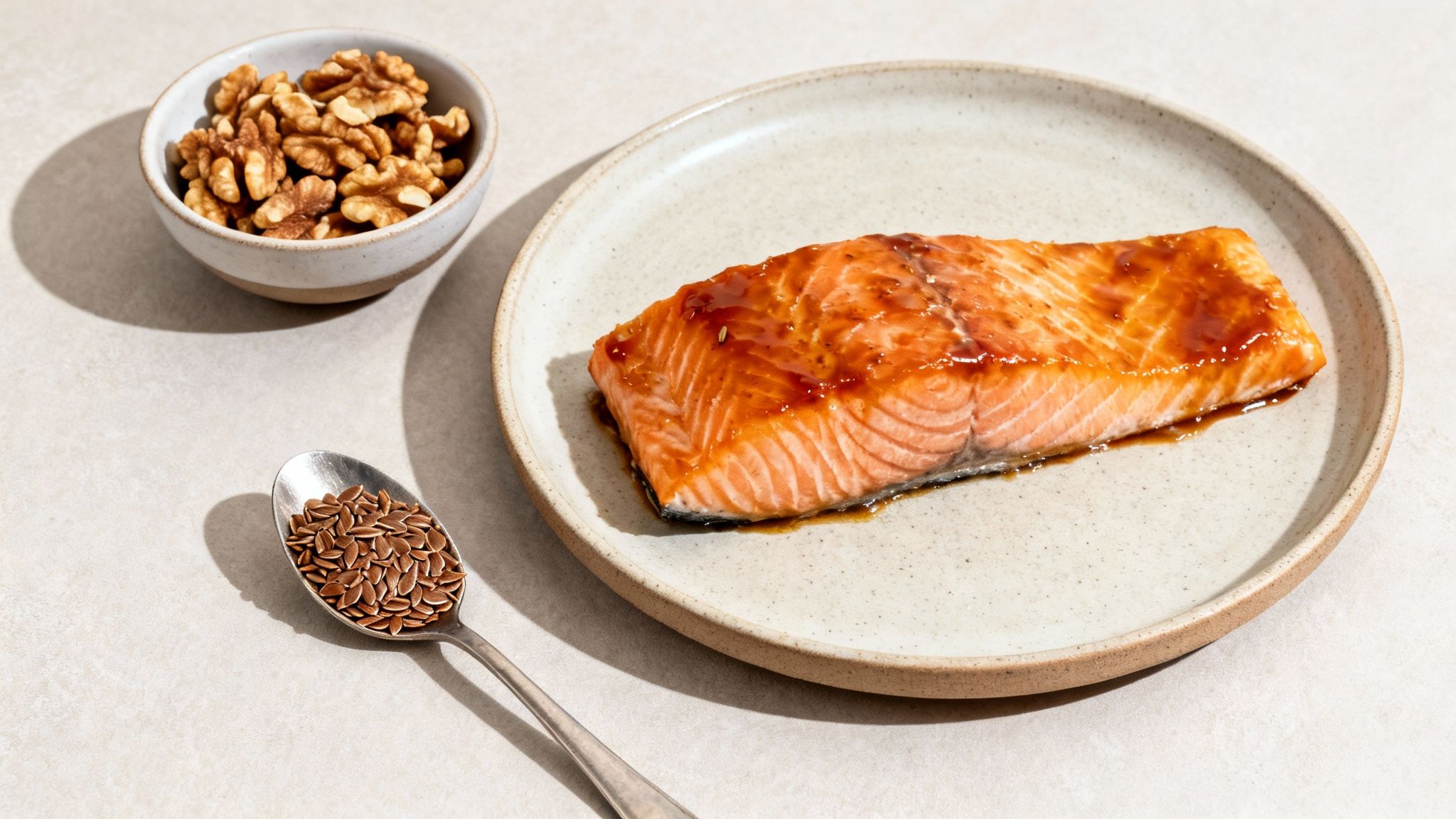
- Fatty Fish: The most direct source of EPA and DHA. Aim for 2-3 servings per week of cold-water fatty fish like wild-caught salmon, mackerel, herring, and sardines. A 3-ounce serving of salmon provides over 1,500 mg of omega-3s.
- Flaxseeds: The top plant-based source of ALA. Add 1-2 tablespoons of ground flaxseed to smoothies, oatmeal, or yogurt daily. Important: Grind the seeds just before use and store them in the refrigerator to protect the delicate oils from oxidation.
- Walnuts: A convenient and crunchy source of ALA. A quarter-cup of walnuts makes a great snack or addition to salads and provides over 2.5 grams of omega-3s. For those who avoid fish, high-quality algae-based supplements are an excellent way to get a direct source of EPA and DHA.
6. Antioxidant-Rich Vegetables (Spinach, Broccoli, Bell Peppers, Tomatoes)
A vibrant, plant-rich diet is fundamental for overall wellness, and it's especially critical when considering the best foods for thyroid health. Antioxidant-rich vegetables are packed with vitamins C and E, beta-carotene, and a vast array of phytonutrients that protect the thyroid gland from oxidative stress. This cellular damage, caused by an imbalance of free radicals and antioxidants, is a key driver of inflammation and can directly impair thyroid function.
The thyroid's hormone production process naturally generates free radicals. Without sufficient antioxidant defenses, this oxidative stress can damage thyroid cells and reduce the activity of thyroid peroxidase (TPO), the enzyme essential for producing thyroid hormones. This damage is a primary trigger in autoimmune conditions like Hashimoto's, where the immune system mistakenly attacks the thyroid gland.
Loading your plate with colorful vegetables provides the tools your body needs to neutralize these harmful compounds. The diverse antioxidants in these foods help quell inflammation, protect thyroid tissue, and support a more balanced immune response. For those with autoimmune thyroid conditions, incorporating these foods is a key part of an overall anti-inflammatory approach. You can discover more strategies by exploring this anti-inflammatory meal plan.
Why Antioxidant-Rich Vegetables are a Thyroid Game-Changer
The connection between antioxidant intake and thyroid protection is supported by compelling evidence. Studies indicate that populations with diets high in vegetables and fruits, like the Mediterranean diet, exhibit a significantly lower incidence of thyroid disease. The protective effect is attributed to the synergistic action of various vitamins and phytonutrients.
Research suggests a direct link between vegetable consumption and improved thyroid markers. One observational study noted that patients with Hashimoto's who regularly consumed lightly steamed cruciferous vegetables, such as broccoli, saw a measurable reduction in their TPO antibody levels, highlighting the immune-regulating benefits of specific plant compounds.
How to Incorporate Antioxidant-Rich Vegetables
Integrating a wide variety of vegetables into your daily meals is a powerful strategy for supporting your thyroid.
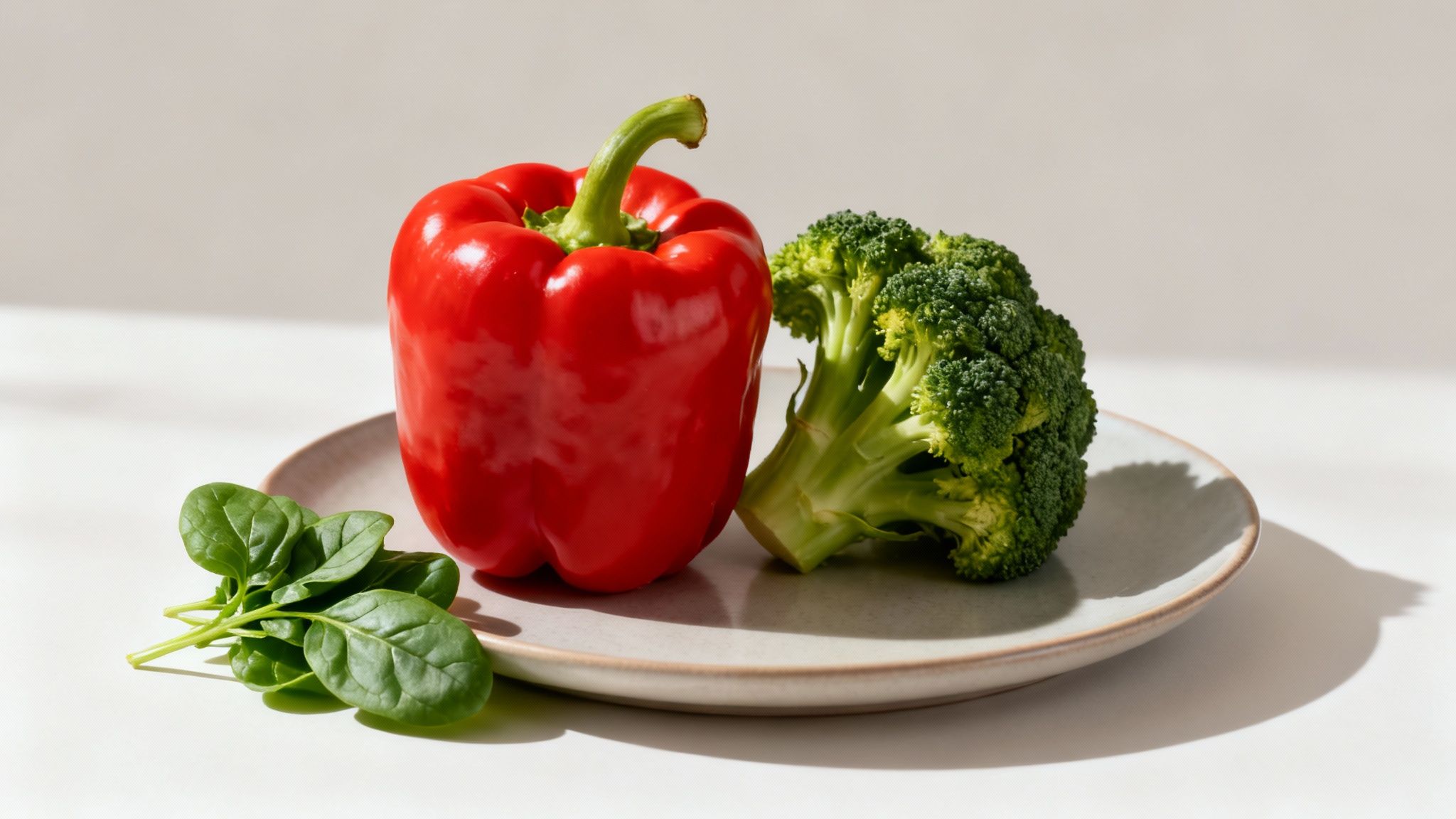
- Cruciferous Vegetables: Includes broccoli, cauliflower, and kale. These contain a compound called sulforaphane, known for its potent anti-inflammatory and antioxidant properties. Lightly steam or sauté them to maximize nutrient availability.
- Leafy Greens: Options like spinach and Swiss chard are rich in magnesium, iron, and antioxidants. Use them as a base for salads, blend them into smoothies, or wilt them into soups and stews.
- Colorful Vegetables: Aim for a rainbow on your plate. Bell peppers are an exceptional source of vitamin C, while tomatoes are rich in lycopene. Including a variety ensures you get a broad spectrum of protective phytonutrients.
7. Zinc-Absorbent Carbohydrates (Whole Grains, Legumes with Preparation)
Zinc is an essential mineral that plays a critical role in thyroid health, contributing to the synthesis of thyroid-releasing hormone (TRH) in the hypothalamus and the conversion of T4 to the active T3 hormone. Whole grains and legumes serve as excellent plant-based sources of zinc, packaged within a complex carbohydrate matrix that also supports stable blood sugar and sustained energy, both of which are vital for optimal metabolic function.
These complex carbohydrates are fundamentally different from their refined counterparts. They provide a slow release of glucose, preventing the energy crashes and inflammatory spikes that can disrupt thyroid regulation. Furthermore, they are rich in fiber and B vitamins, which are cofactors in thyroid hormone production and support a healthy gut microbiome, the foundation for absorbing all thyroid-supportive nutrients effectively.
Proper preparation is key to unlocking the full mineral potential of these foods. Grains and legumes contain compounds called phytates, which can bind to minerals like zinc and inhibit their absorption. Simple steps like soaking, sprouting, or fermenting can significantly reduce phytate levels, making the zinc more bioavailable and ensuring you get the maximum benefit from these powerful foods for thyroid health.
Why Properly Prepared Carbs are a Thyroid Game-Changer
The connection between gut health, nutrient absorption, and thyroid function cannot be overstated. By choosing whole, properly prepared carbohydrates, you not only supply your body with zinc but also nourish the gut environment necessary for its absorption and for the conversion of thyroid hormones.
Research highlights that individuals consuming diets rich in whole grains often exhibit lower, healthier TSH levels compared to those who primarily eat refined grains. This suggests a direct link between the quality of carbohydrate intake and more efficient thyroid signaling.
How to Incorporate Zinc-Absorbent Carbohydrates
Making these foods a regular part of your diet involves a few mindful preparation techniques to maximize their nutritional value.
- Soak Legumes and Grains: Before cooking, soak beans, lentils, and whole grains like quinoa or brown rice in water for at least 8-12 hours. This process helps neutralize phytates. Discard the soaking water and rinse well before cooking.
- Cook and Cool for Resistant Starch: To boost gut health, cook grains like rice or oats and then cool them in the refrigerator for at least 4 hours. This increases their resistant starch content, which acts as a prebiotic to feed beneficial gut bacteria.
- Pair with Vitamin C: Combine your legumes and grains with vitamin C-rich foods like bell peppers, broccoli, or a squeeze of lemon juice. Vitamin C significantly enhances the absorption of plant-based zinc.
- Choose Gluten-Free if Needed: If you have a gluten sensitivity or Hashimoto's, focus on naturally gluten-free options like quinoa, millet, buckwheat, and certified gluten-free oats to avoid potential inflammatory triggers.
8. Vitamin D-Rich Foods and Sunlight Exposure (Fatty Fish, Egg Yolks, Fortified Dairy)
Often called the "sunshine vitamin," Vitamin D functions more like a hormone in the body and is increasingly recognized as a critical regulator of immune function, which is central to thyroid health. Its primary role extends beyond bone health, directly influencing the cells of the immune system. The presence of Vitamin D receptors on immune cells means it can modulate the body's immune response, making it a key player in preventing and managing autoimmune thyroid diseases like Hashimoto's and Graves' disease.
This nutrient is vital for thyroid wellness in two key ways. First, it helps to suppress the overactive immune responses that cause the body to attack its own thyroid tissue. By promoting regulatory T-cells, Vitamin D can help calm the autoimmune storm characteristic of Hashimoto's thyroiditis, potentially lowering the antibody levels that damage the gland.
Second, deficiency in Vitamin D is strongly correlated with an increased risk of developing autoimmune thyroid disease. The body synthesizes Vitamin D primarily through sunlight exposure, but dietary sources become essential for those with limited sun, such as people living in northern climates or who spend most of their time indoors. Maintaining adequate levels is a proactive strategy for protecting thyroid function.
Why Vitamin D is a Thyroid Game-Changer
Observational and clinical studies have highlighted a powerful link between Vitamin D status and thyroid autoimmunity. Populations with lower levels of this vitamin consistently show a higher prevalence of autoimmune thyroid conditions.
Research published in the International Journal of Endocrinology demonstrated that correcting Vitamin D deficiency can have a significant impact. In one study, patients with Hashimoto's who were supplemented to reach blood levels between 40-50 ng/mL saw a 40% reduction in their thyroid peroxidase (TPO) antibodies.
How to Incorporate Vitamin D-Rich Foods and Optimize Levels
Balancing sun exposure with dietary intake is the most effective strategy. Here’s how to do it:
- Fatty Fish: Excellent dietary sources of bioavailable Vitamin D. Prioritize salmon, mackerel, herring, and sardines. A 3-ounce serving of wild-caught sockeye salmon can provide a significant portion of your daily Vitamin D needs.
- Egg Yolks: A simple and accessible option. Choose pasture-raised eggs when possible, as they can contain three to four times more Vitamin D than conventional eggs due to the chickens' sun exposure and diet.
- Fortified Foods: Many dairy products, plant-based milks (almond, soy), and orange juices are fortified with Vitamin D. Check labels to confirm they are a good source.
- Sensible Sun Exposure: The most potent source. Aim for 10-20 minutes of midday sun exposure on your arms and legs a few times per week without sunscreen. This can vary greatly depending on skin tone, location, and season. Caution: Always avoid sunburn and be mindful of skin cancer risk.
8 Foods Compared for Thyroid Health
| Item | Implementation complexity 🔄 | Resource requirements ⚡ | Expected outcomes ⭐📊 | Ideal use cases | Key advantages 💡 |
|---|---|---|---|---|---|
| Selenium-Rich Foods (Brazil Nuts, Seafood, Eggs) | Low 🔄 — easy dietary additions; dose control needed | Low ⚡ — small portions (1–2 Brazil nuts) or regular seafood/eggs | High ⭐📊 — supports TPO, improves T4→T3 conversion; may reduce antibodies | Correcting deficiency; supporting conversion in hypothyroid patients | Highly bioavailable; small serving effective; synergizes with iodine; avoid excess |
| Iodine-Rich Foods (Seaweed, Dairy, Sea Salt) | Low–Moderate 🔄 — easy sources but iodine content variable | Low ⚡ — widely available (iodized salt, dairy, seaweed) | Very high ⭐📊 — required for T3/T4 synthesis; prevents goiter; excess can harm | Preventing deficiency, pregnancy, areas of endemic deficiency | Direct precursor to thyroid hormones; cost-effective public-health impact; monitor dose |
| Iron-Rich Foods (Lean Red Meat, Legumes, Greens) | Moderate 🔄 — absorption-sensitive; timing and pairing matter | Moderate ⚡ — regular servings and lab testing recommended | High ⭐📊 — restores TPO activity and conversion; reduces fatigue | Iron-deficiency anemia affecting thyroid function; menstruating women | Heme iron highly bioavailable; multiple food options; pairs with vitamin C to boost absorption |
| Zinc-Rich Foods (Oysters, Pumpkin Seeds, Chickpeas, Beef) | Moderate 🔄 — absorption affected by phytates and competing minerals | Low–Moderate ⚡ — frequent small servings; consider testing | High ⭐📊 — improves receptor sensitivity; may reduce antibodies in deficiency | Autoimmune thyroid disease, immune support, receptor sensitivity issues | Supports immune regulation and receptor function; very bioavailable from shellfish; balance zinc/copper |
| Omega-3 Fatty Acids (Fatty Fish, Flaxseeds, Walnuts) | Low 🔄 — dietary or supplemental intake; monitor interactions | Moderate ⚡ — regular fatty fish or algae supplements advised | High ⭐📊 — reduces thyroid inflammation and antibody production; cardiovascular benefits | Autoimmune thyroiditis with inflammation; cardiovascular risk mitigation | Potent anti-inflammatory effects; improves mood and tissue health; choose low-contaminant sources |
| Antioxidant-Rich Vegetables (Spinach, Broccoli, Bell Peppers, Tomatoes) | Low 🔄 — simple to add; cooking method affects potency | Low ⚡ — widely available, low cost | Moderate–High ⭐📊 — protects thyroid from oxidative damage; may lower antibody flares | General thyroid resilience, weight management, inflammation reduction | Broad antioxidant coverage; nutrient-dense and low-calorie; rotate and use gentle cooking methods |
| Zinc-Absorbent Carbohydrates (Whole Grains, Prepared Legumes) | Moderate 🔄 — requires soaking/cooling/processing for best absorption | Low–Moderate ⚡ — routine servings and simple prep | Moderate ⭐📊 — supports B vitamins, stable energy, improved mineral absorption | Supporting gut health and stable energy in hypothyroidism; vegetarian diets | Provides B vitamins and resistant starch; supports gut barrier and sustained energy; prep improves mineral bioavailability |
| Vitamin D (Foods + Sunlight) (Fatty Fish, Egg Yolks, Fortified Dairy) | Moderate 🔄 — testing and dose tailoring advised; manage sun exposure | Low–Moderate ⚡ — sun exposure + dietary/supplement sources; testing recommended | Very high ⭐📊 — regulates immune tolerance; reduces autoimmune antibody production when optimized | Autoimmune thyroid disease prevention/management; those with low sun exposure or deficiency | Strong immune-modulating effect; testing-guided supplementation effective; pair with K2 and dietary fat for absorption |
Creating Your Thyroid-Supportive Plate: A Sustainable Approach
Navigating the world of nutrition can feel overwhelming, especially when managing a specific health goal like supporting your thyroid. After exploring the powerful roles of selenium, iodine, zinc, iron, and other vital nutrients, it's clear that your dietary choices are a cornerstone of hormonal wellness. The journey to better thyroid health isn't about a restrictive diet or a quick fix; it's about building a sustainable, nourishing, and enjoyable eating pattern that becomes second nature.
This guide has detailed some of the best foods for thyroid health, from the selenium-packed Brazil nut to the iodine-rich bounty of the sea. We've seen how a single oyster can deliver a potent dose of zinc and how humble lentils provide the iron necessary for thyroid hormone production. The goal is not to perfectly incorporate every single food every day, but to create a vibrant, diverse plate over the course of your week.
Think of your meals as a mosaic. Each food you choose is a tile, and when combined thoughtfully, they create a beautiful and functional picture of health. A sustainable approach means you don't have to overhaul your entire life overnight. Instead, you can focus on making small, incremental changes that build powerful momentum over time.
Key Takeaways for Lasting Success
Let's distill the core principles from this article into actionable, memorable points. Mastering these concepts is the key to transforming this information from a simple list into a personalized lifestyle.
- Nutrient Synergy is Key: Your thyroid doesn't rely on a single nutrient; it requires a team of them working in harmony. Selenium helps activate thyroid hormones, while iodine provides the building blocks. Iron ensures these hormones can be transported effectively, and zinc supports their conversion. This interplay means a varied diet is far more effective than focusing on just one or two "superfoods."
- Balance, Don't Banish: The conversation around goitrogens in foods like broccoli and kale often leads to fear. Remember the key takeaway: for most people, these vegetables are incredibly healthy. The potential goitrogenic effects are significantly reduced by cooking and are primarily a concern only when consumed in excessively large, raw quantities, especially in the context of an iodine deficiency.
- Food First, Supplements Second: While supplements can be a useful tool under medical guidance, they are not a substitute for a nutrient-dense diet. Obtaining nutrients from whole foods provides a complex package of vitamins, minerals, fiber, and phytonutrients that work together. Always consult a healthcare professional before starting any new supplement, as incorrect dosages (especially of iodine and selenium) can be harmful.
Putting It All into Practice: Your Next Steps
Knowledge is only powerful when applied. Here are practical steps you can take today to begin building your thyroid-supportive plate.
- Start with One Meal: Don't try to change everything at once. Pick one meal, like breakfast or lunch, and focus on incorporating one new thyroid-supportive food this week. Maybe it's adding a hard-boiled egg for selenium or sprinkling pumpkin seeds on your oatmeal for zinc.
- Embrace Color: A simple visual cue for a nutrient-dense diet is a colorful plate. Aim to include a variety of colors from antioxidant-rich vegetables like red bell peppers, dark leafy greens, and orange sweet potatoes. This naturally increases your intake of vitamins and anti-inflammatory compounds.
- Plan for Success: Take 15 minutes each weekend to plan two or three thyroid-friendly meals. This small act of preparation can prevent you from making less-healthy choices when you're busy. Having ingredients like canned salmon, frozen spinach, and cooked lentils on hand makes healthy eating convenient.
Ultimately, mastering the art of eating for thyroid health is about empowerment. It's about understanding how your body works and providing it with the precise tools it needs to function optimally. This proactive approach extends far beyond the thyroid; it enhances your energy levels, supports a stable mood, and fortifies your overall vitality. By embracing these principles, you are not just managing a condition; you are cultivating a foundation for lifelong wellness.
Ready to take the next step on your wellness journey? For more evidence-based guides, delicious recipes, and holistic health strategies, explore The Happy Health Blog. We are dedicated to providing you with the practical tools and inspiration you need to build a healthier, more vibrant life, starting today at The Happy Health Blog.
