


In our fast-paced lives, finding genuine happiness can often feel like a complex puzzle. But what if the key wasn't in grand achievements, but in the small, consistent actions we take for ourselves? Scientific research increasingly points to a powerful truth: engaging in meaningful hobbies is not just a pleasant pastime but a fundamental component of a healthy, fulfilling life. These activities provide a vital escape from daily pressures and a direct path to improved mental well-being.
This guide moves beyond generic advice to offer a curated roundup of 10 research-backed hobbies for happiness, each chosen for its proven ability to boost mood, reduce stress, and foster a deep sense of contentment. We believe in empowering you with practical, evidence-based strategies to enhance your daily life. Inside, you'll find a structured approach to joy, with each hobby broken down by its specific psychological benefits and simple, actionable steps to get started immediately.
Whether you're seeking a creative outlet, a deeper connection with nature, or a way to calm your mind, this list provides the specific insights you need. Discover how to integrate these powerful practices into your routine and start intentionally cultivating more joy, one hobby at a time.
1. Mindfulness Meditation
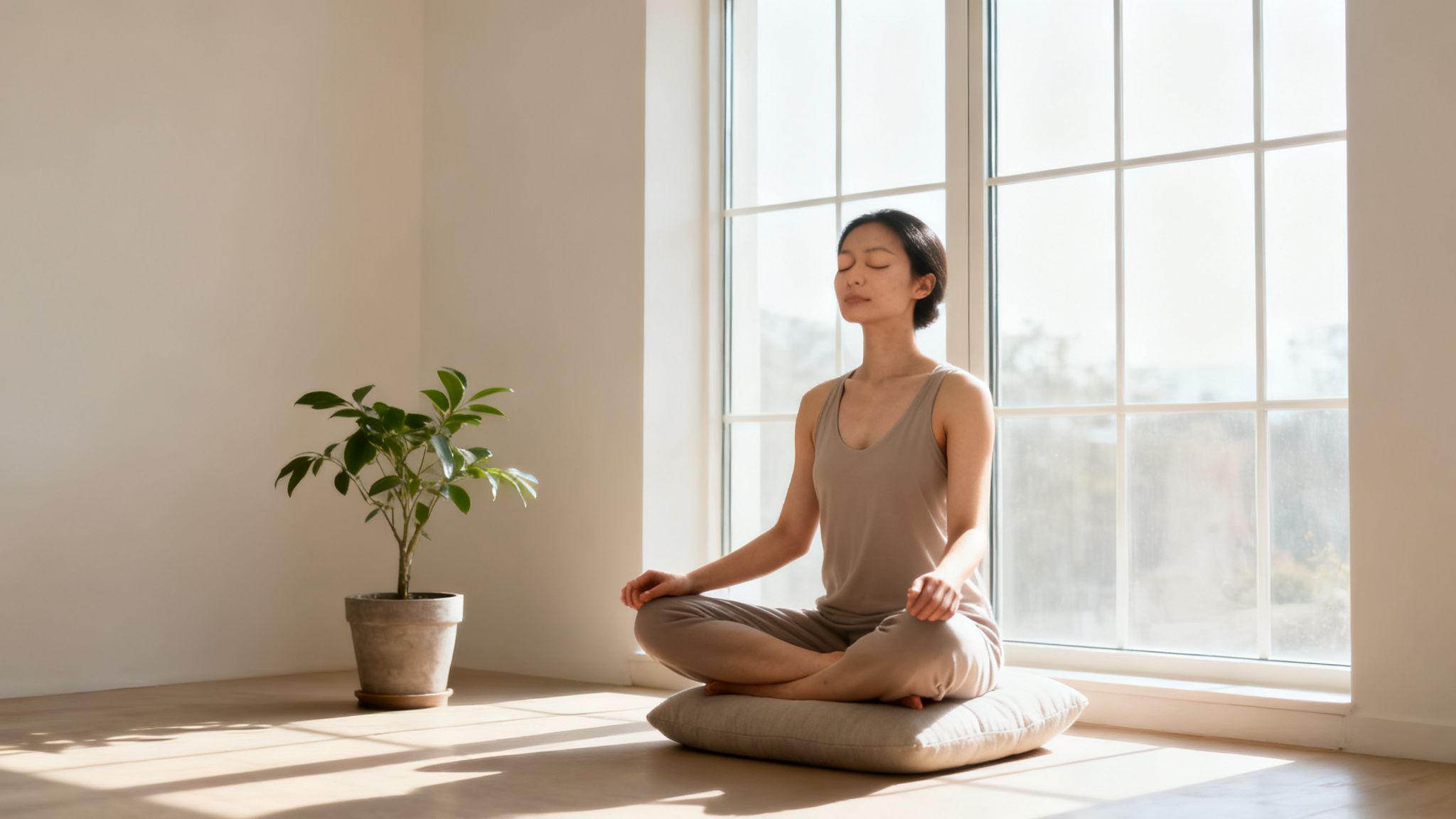
Mindfulness meditation is the practice of focusing your attention on the present moment, observing your thoughts, feelings, and bodily sensations without judgment. This ancient technique, now backed by extensive scientific research, trains your brain to disengage from negative thought patterns and reduce reactivity to stress. It’s one of the most direct hobbies for happiness, as it fundamentally changes your relationship with your own mind.
Why It Works for Happiness
Neuroscientific studies show that regular meditation can decrease activity in the amygdala, the brain's fear center, while increasing density in the prefrontal cortex, which is linked to emotional regulation and concentration. This leads to lower stress levels, improved focus, and a greater sense of calm. Its ability to quiet a racing mind makes it particularly effective for those dealing with anxiety at bedtime.
A 2011 Harvard-affiliated study showed that just eight weeks of mindfulness meditation can physically change the brain's gray matter in areas associated with memory, empathy, and stress.
Who It's Good For
This practice is ideal for individuals seeking to reduce stress, improve emotional control, and enhance their overall mental clarity. It's especially beneficial for those with busy, high-pressure lifestyles who need a practical tool to manage daily anxieties.
Get Started in 3 Steps
- Find a Quiet Space: Choose a comfortable spot where you won't be interrupted for 5-10 minutes. Sit on a cushion or chair with your back straight.
- Use a Guide: Start with a guided meditation app like Calm or Headspace. They provide simple instructions to help you focus on your breath and anchor your attention.
- Practice Non-Judgment: Your mind will wander. When it does, gently and without frustration, guide your focus back to your breath. The goal isn't to have an empty mind, but to notice when it has strayed.
2. Gardening and Plant Care
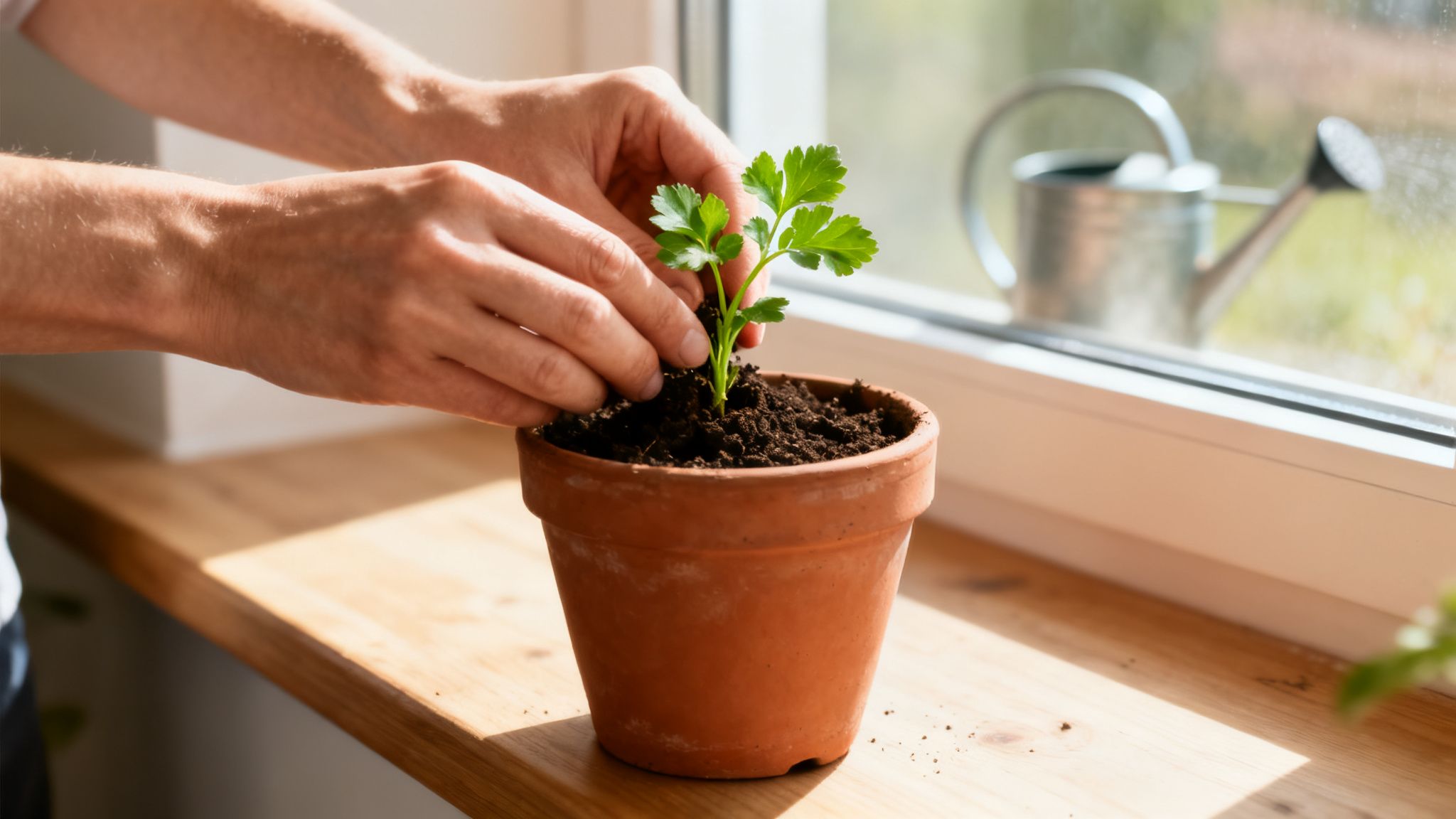
Gardening is the practice of cultivating plants, whether it's flowers in a backyard, vegetables on a balcony, or herbs on a windowsill. This hobby combines gentle physical activity with a profound connection to nature, offering both tangible rewards and significant mental health benefits. It’s a powerful, grounding activity that serves as an excellent hobby for happiness by nurturing life and, in turn, nurturing yourself.
Why It Works for Happiness
Spending time in green spaces is linked to reduced cortisol, the body's stress hormone. The physical act of gardening provides light exercise, releasing endorphins that improve mood. Furthermore, nurturing a plant from seed to maturity offers a deep sense of purpose, accomplishment, and patience, counteracting feelings of helplessness and boosting self-esteem.
Research published in the Journal of Health Psychology found that gardening lowered cortisol levels even more effectively than reading indoors, suggesting a unique stress-reducing benefit from direct contact with nature.
Who It's Good For
This hobby is perfect for anyone seeking a tangible, rewarding activity that gets them moving and connects them to the natural world. It is especially beneficial for individuals looking to relieve stress, find a sense of purpose, or supplement their diet with fresh, homegrown produce.
Get Started in 3 Steps
- Start Small and Simple: Begin with a few easy-to-grow plants in pots, such as herbs (mint, basil), cherry tomatoes, or succulents. This prevents you from feeling overwhelmed.
- Focus on Good Soil: Invest in a quality potting mix. Good soil is the foundation for healthy plants and will make your first gardening experience much more successful.
- Learn Basic Care: Understand the light and water needs of your specific plants. A common beginner mistake is overwatering, so check if the soil is dry an inch deep before adding more.
3. Yoga Practice
Yoga is an ancient mind-body discipline that unites physical postures (asanas), controlled breathing (pranayama), and meditation. This holistic practice builds strength, flexibility, and balance while simultaneously calming the nervous system and sharpening mental focus. As one of the most accessible hobbies for happiness, it offers a powerful way to connect with your body and quiet mental chatter.
Why It Works for Happiness
Yoga is proven to reduce the physiological effects of stress by lowering cortisol levels and increasing gamma-aminobutyric acid (GABA), a neurotransmitter that helps calm nerve activity. This combination alleviates anxiety and improves mood. The physical movements release endorphins, while the mindful focus on breath and body grounds you firmly in the present moment, fostering a state of peaceful awareness.
A 2017 study published in the International Journal of Yoga found that just 12 weeks of a regular yoga practice significantly reduced stress, anxiety, and depression scores among participants.
Who It's Good For
This practice is perfect for anyone looking to improve both physical and mental well-being in a single activity. It's especially valuable for those who hold tension in their bodies due to stress and individuals seeking a low-impact form of exercise that also provides profound mental health benefits.
Get Started in 3 Steps
- Choose a Beginner Style: Start with gentle forms like Hatha or Yin yoga. These styles focus on basic postures and move at a slower pace, making them ideal for learning proper alignment.
- Find a Guide: Use free online resources like Yoga with Adriene on YouTube or subscribe to a dedicated yoga app. A good instructor will provide clear cues and modifications for different ability levels.
- Listen to Your Body: The goal is not to perfect a pose, but to feel the connection between your breath and movement. Never push into pain. Modify poses as needed and focus on what feels good for your body today.
4. Journaling and Creative Writing
Journaling is the practice of regularly writing down your thoughts, feelings, and experiences to process them in a structured way. This introspective hobby serves as a powerful tool for emotional expression and cognitive clarity, turning abstract worries into concrete words you can understand and manage. As one of the most accessible hobbies for happiness, it fundamentally improves your relationship with your inner world.
Why It Works for Happiness
The act of writing engages the brain’s left hemisphere, freeing the right hemisphere to process emotions more effectively. This cognitive offloading reduces mental clutter and lowers rumination, a key factor in anxiety and depression. Expressive writing helps organize thoughts, solve problems, and reframe negative events, leading to improved mood and greater emotional resilience.
Research by psychologist Dr. James W. Pennebaker found that just 15-20 minutes of expressive writing over four consecutive days can lead to significant long-term improvements in both physical and psychological health.
Who It's Good For
This hobby is perfect for anyone seeking greater self-awareness, emotional release, or a way to manage overwhelming thoughts. It’s especially beneficial for individuals navigating stressful life transitions, processing difficult emotions, or simply wanting to cultivate a more mindful and grateful perspective.
Get Started in 3 Steps
- Choose Your Medium: Select a simple notebook, a dedicated journal, or a digital app like Day One. The best tool is the one you'll use consistently.
- Start Small and Simple: Commit to writing for just five minutes each day. Don't worry about grammar or structure; just let your thoughts flow freely onto the page.
- Use a Prompt: If you feel stuck, start with a simple prompt. Try writing down three things you are grateful for, describing a recent challenge, or answering the question, "How am I really feeling right now?"
5. Walking and Hiking
Walking and hiking involve regular ambulatory movement through natural or urban environments. This accessible hobby combines low-impact cardiovascular exercise with the mental health benefits of nature exposure and potential social connection. It's a foundational activity for well-being, requiring minimal equipment while offering significant returns in both physical and mental health, making it one of the most versatile hobbies for happiness.
Why It Works for Happiness
Physical activity like walking releases endorphins, the body's natural mood elevators. When done outdoors, especially in green spaces, it reduces rumination and cortisol levels. This "green exercise" effect enhances feelings of revitalization and positive engagement while decreasing tension and depression. It provides a simple, rhythmic motion that can be meditative and clear the mind.
A Stanford University study found that a 90-minute walk in a natural setting decreased activity in the subgenual prefrontal cortex, a brain region associated with negative thought patterns and risk for mental illness.
Who It's Good For
This hobby is perfect for anyone seeking a low-cost, flexible way to improve their physical and mental health. It’s ideal for beginners looking for an entry point into fitness, office workers needing a break from sedentary life, and nature lovers wanting to explore their local environment.
Get Started in 3 Steps
- Get Proper Footwear: Invest in a pair of comfortable, supportive shoes designed for walking or hiking. This is the single most important piece of equipment and prevents injury.
- Start Small and Local: Begin with a 15-20 minute walk around your neighborhood or a local park. You don’t need to tackle a mountain on day one; consistency is key if you want to learn how to start exercising.
- Explore and Track: Use an app like AllTrails to discover local paths you never knew existed. Tracking your steps or distance with a phone or fitness tracker can provide a powerful sense of accomplishment and motivation.
6. Cooking and Meal Preparation
Cooking is the hands-on, creative process of turning raw ingredients into nourishing meals. More than just a daily chore, it’s a hobby that engages all your senses, from the aroma of sizzling garlic to the vibrant colors of fresh vegetables. This practice connects you directly to what you eat, promoting mindfulness and empowering you to make healthier choices, making it one of the most practical hobbies for happiness.

Why It Works for Happiness
The act of cooking can be a form of behavioral activation, a therapeutic technique used to combat depression by encouraging positive, goal-oriented activities. Focusing on the steps of a recipe provides a structured outlet for creativity and reduces stress. Sharing a home-cooked meal also strengthens social bonds, which is a key component of long-term well-being.
A study in the International Journal of Humanities and Social Science found that culinary therapy programs helped reduce anxiety and improve self-esteem and quality of life among participants.
Who It's Good For
This hobby is perfect for anyone looking to improve their diet, reduce stress, and connect more with family and friends. It's especially beneficial for those who want a tangible, productive way to unwind after a busy day and take control of their physical health.
Get Started in 3 Steps
- Master a Simple Recipe: Start with something basic like a simple pasta sauce or roasted vegetables. Focus on using 5-10 quality ingredients to understand how flavors work together.
- Plan Your Week: Take the stress out of daily decisions by dedicating time to meal planning. Creating a simple schedule, as detailed in our guide on how to plan weekly meals, ensures you have healthy ingredients ready to go.
- Invest in One Good Tool: You don't need a full chef's kitchen. Begin with one essential item, like a high-quality chef's knife, which makes the entire prep process safer and more enjoyable.
7. Reading and Book Clubs
Reading is a powerful hobby that offers both a peaceful escape and a profound connection to the human experience. It stimulates intellectual growth and empathy by allowing you to step into different worlds and perspectives. When paired with a book club, reading transforms into a social activity, weaving together personal reflection with shared discovery and community. This combination makes it one of the most fulfilling hobbies for happiness, nourishing both the mind and social bonds.
Why It Works for Happiness
Engaging with literature has been shown to reduce stress by lowering heart rate and easing muscle tension. Reading complex narratives also enhances "theory of mind," the ability to understand others' mental states, which improves empathy and social relationships. Book clubs provide a sense of belonging and combat loneliness, a key factor in overall well-being. This dual benefit of cognitive engagement and social connection is a potent recipe for a happier life.
A 2009 study at the University of Sussex found that reading for just six minutes can reduce stress levels by up to 68%, making it more effective than listening to music or going for a walk.
Who It's Good For
This hobby is perfect for anyone seeking a low-cost, flexible way to de-stress, expand their horizons, and connect with others. It's especially valuable for those looking to build a consistent relaxation routine or find a meaningful way to engage with a community, from local library groups to online forums like Goodreads.
Get Started in 3 Steps
- Choose a Book That Excites You: Don't start with a classic you feel you should read. Pick a genre or topic you are genuinely curious about. Visit your local library or browse a platform like Goodreads for inspiration.
- Set a Small, Daily Goal: Commit to reading for just 15-20 minutes a day. Consistency is more important than volume. Pairing it with a morning coffee or an evening wind-down routine helps build the habit.
- Find Your Community: Search for local book clubs at libraries, bookstores, or on sites like Meetup.com. Alternatively, you can join a virtual club or even start one with a few friends to add accountability and shared enjoyment.
8. Music and Sound Healing
Music and sound healing involves using sound frequencies, whether by listening, creating, or feeling them, to improve emotional and physical well-being. This hobby directly taps into the brain's pleasure and emotion centers, offering a powerful way to manage your mood, release tension, and connect with others. From creating a mood-boosting playlist to playing an instrument or attending a sound bath, it’s an accessible and deeply effective hobby for happiness.
Why It Works for Happiness
Listening to or creating music triggers the release of dopamine, the "feel-good" neurotransmitter, while lowering cortisol levels, the body's stress hormone. Sound vibrations, like those from singing bowls, can also promote a state of deep relaxation similar to meditation. It serves as a healthy outlet for expressing emotions that are difficult to verbalize, improving both mood and mental clarity.
Research from McGill University found that listening to music you enjoy can increase dopamine levels by up to 9%, demonstrating a direct neurochemical link between music and pleasure.
Who It's Good For
This hobby is perfect for anyone looking for a creative and emotional outlet, especially those who find traditional meditation challenging. It’s also great for individuals seeking to manage stress, process difficult emotions, or find a sense of community through group activities like choirs or drum circles.
Get Started in 3 Steps
- Create Curated Playlists: Start by building playlists on a service like Spotify designed for specific moods. Create one for focus, one for relaxation, and another for boosting your energy. Listen intentionally.
- Explore Sound Baths: Search for local yoga studios or wellness centers offering sound baths. These guided sessions use instruments like crystal bowls and gongs to create a deeply relaxing, immersive experience.
- Pick Up a Simple Instrument: You don’t need to be a virtuoso. A simple instrument like a ukulele or a hand drum is easy to learn and provides a tactile, engaging way to create sound and relieve stress.
9. Community Service and Volunteering
Community service is the practice of dedicating your time and skills to help others without expecting payment. This selfless act fosters a powerful sense of purpose, connection, and gratitude. Engaging in volunteering is one of the most reliable hobbies for happiness, as it shifts your focus outward and demonstrates your capacity to make a positive impact on the world around you.
Why It Works for Happiness
Volunteering combats loneliness and depression by creating social bonds and a sense of belonging. The act of giving back triggers the brain's reward centers, releasing feel-good neurochemicals like oxytocin and dopamine. This "helper's high" boosts mood, increases life satisfaction, and can even lead to better physical health and longevity.
A longitudinal study published in the journal Health Psychology found that individuals who volunteered for altruistic reasons had a significantly lower risk of mortality over a four-year period compared to non-volunteers.
Who It's Good For
This hobby is perfect for anyone seeking a deeper sense of meaning, purpose, and connection to their community. It's especially beneficial for retirees, students, or anyone looking to expand their social network while contributing to a cause they are passionate about.
Get Started in 3 Steps
- Identify Your Passion: Make a list of causes that matter to you, such as animal welfare, environmental conservation, or youth mentoring. This ensures your service feels meaningful.
- Find an Organization: Use platforms like VolunteerMatch or Idealist.org to find local non-profits that align with your interests. Start with a small, manageable time commitment.
- Connect Your Skills: Consider how your existing skills, whether in organization, teaching, or even just listening, can be applied. Offering a specific skill can make your contribution feel even more impactful.
10. Nature Connection and Forest Bathing (Shinrin-yoku)
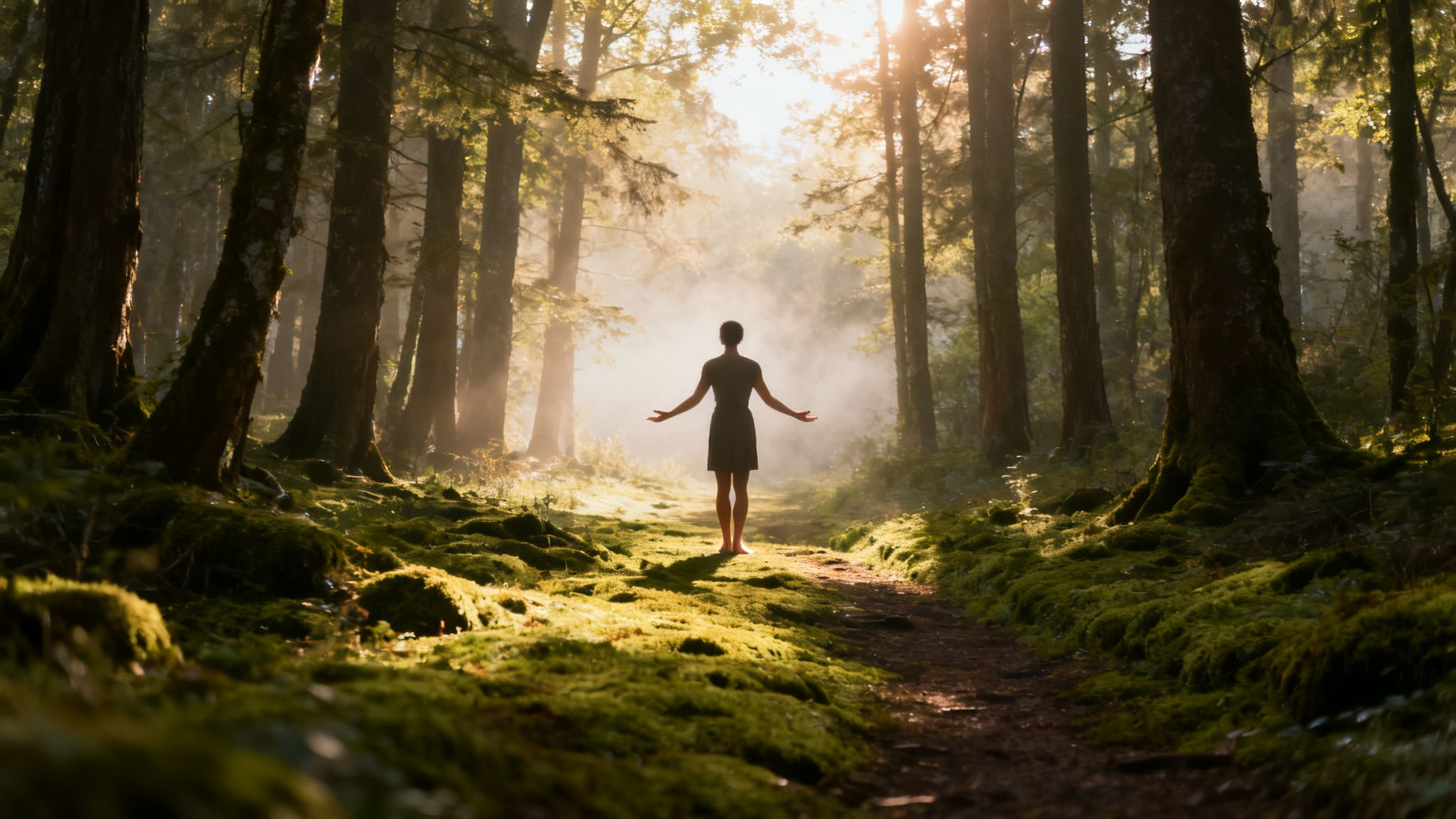
Forest bathing, or Shinrin-yoku, is the Japanese practice of mindfully immersing yourself in nature. It's not about hiking or exercise; it’s about slowing down and connecting with the environment through your senses. This intentional practice is one of the most serene hobbies for happiness, offering a powerful antidote to the stress of urban life by leveraging nature's inherent restorative qualities.
Why It Works for Happiness
Spending time in a natural setting has been proven to lower cortisol levels, reduce blood pressure, and boost immune system function. Phytoncides, the aromatic compounds released by trees, are believed to play a role in these calming physiological effects. This direct engagement with the natural world helps reduce rumination and anxiety, fostering a sense of peace and belonging.
Research from Japan shows that forest bathing trips can increase the number and activity of cancer-fighting natural killer (NK) cells in the body, with effects lasting for more than 30 days after the trip.
Who It's Good For
This hobby is perfect for anyone feeling disconnected, stressed, or overwhelmed by city living. It is especially beneficial for individuals who find traditional meditation challenging, as the natural environment provides a gentle anchor for the senses, making mindfulness feel more accessible.
Get Started in 3 Steps
- Choose a Natural Spot: Find a park, forest, or any quiet green space. The key is to find a place where you feel safe and can minimize human-made distractions.
- Engage Your Senses: Leave your phone on silent. Slowly walk and pause frequently. Notice the feeling of the breeze, the sounds of birds, the scent of the earth, and the different shades of green.
- Stay for at Least 20 Minutes: Research suggests a 20-minute "nature pill" is effective for significantly lowering stress hormone levels. Let go of any goals and just be present in the space.
Top 10 Hobbies for Happiness Comparison
| Item | 🔄 Implementation complexity | ⚡ Resource & time | ⭐ Expected outcomes | 💡 Ideal use cases | 📊 Key advantages |
|---|---|---|---|---|---|
| Mindfulness Meditation | Low — simple, scalable practice | Minimal — no equipment; 5–30 min/day | ⭐⭐⭐⭐ — reduced stress/anxiety; better emotional regulation | Stress management, sleep, workplace wellness | Free, portable, evidence-backed |
| Gardening and Plant Care | Medium — seasonal learning curve | Moderate — tools, soil, time investment (weekly) | ⭐⭐⭐⭐ — improved mood, physical activity, better nutrition | Home food production, outdoor activity, therapy gardens | Physical exercise + fresh produce; durable benefits |
| Yoga Practice | Medium — technique-required to avoid injury | Low–moderate — mat/props; 20–90 min sessions several times/week | ⭐⭐⭐⭐⭐ — improved flexibility, strength, stress reduction | Rehabilitation, fitness, stress relief, prenatal care | Holistic physical+mental benefits; adaptable styles |
| Journaling & Creative Writing | Low — practice-based, self-guided | Minimal — pen/paper or apps; 5–20 min/day | ⭐⭐⭐⭐ — improved emotional processing and clarity | Emotional processing, creativity, habit building | Low-cost, private, boosts self-awareness |
| Walking & Hiking | Low — easily scalable intensity | Minimal — good shoes; 30+ min most days | ⭐⭐⭐⭐⭐ — cardiovascular, mood, cognition improvements | Daily exercise, social activity, nature exposure | Highly accessible, low-cost, broad health impact |
| Cooking & Meal Preparation | Medium — skill and planning required | Moderate — kitchen tools, ingredients, time for prep | ⭐⭐⭐⭐⭐ — better nutrition, reduced processed foods | Meal planning, family bonding, dietary control | Direct impact on diet and health; cost-saving |
| Reading & Book Clubs | Low — flexible pacing and format | Minimal — books or digital; 15–30 min/day | ⭐⭐⭐⭐ — reduced stress, improved cognition, empathy | Relaxation, learning, social discussion groups | Low-cost mental stimulation; social engagement |
| Music & Sound Healing | Low–medium — listening easy; playing requires practice | Variable — free listening to instrument purchase/time to learn | ⭐⭐⭐⭐ — lowers stress, enhances mood and focus | Emotional regulation, group connection, relaxation | Versatile engagement modes; strong emotional impact |
| Community Service & Volunteering | Medium — coordination and commitment needed | Low–moderate — travel/time; may need training | ⭐⭐⭐⭐⭐ — increased life satisfaction, purpose, social bonds | Meaningful contribution, skill use, social connection | High purpose-driven wellbeing; social and career benefits |
| Nature Connection & Forest Bathing | Low — simple practice but needs access to nature | Minimal — travel time to parks/forests; 20+ min sessions | ⭐⭐⭐⭐⭐ — lowered stress hormones, boosted immunity, mood | Stress recovery, creativity boosts, nature immersion | Strong restorative effects; promotes environmental awareness |
Your Journey to a Happier, Healthier You Starts Now
We've explored a diverse landscape of activities, from the quiet introspection of mindfulness meditation to the communal spirit of volunteering. Each hobby detailed in this guide offers a unique pathway to enhanced well-being, backed by research and brimming with potential. The common thread weaving through them all is the power of intentional action. True, lasting happiness isn't a passive state we stumble upon; it's an ecosystem we actively cultivate through mindful choices and consistent practice.
The journey toward a more fulfilling life doesn't require a radical overhaul. Instead, it begins with small, deliberate steps. The power of these hobbies for happiness lies not in mastering them overnight, but in the simple act of engagement. It’s about the feeling of soil on your hands while gardening, the rhythm of your breath during yoga, or the shared laughter in a book club. These moments accumulate, building a foundation of resilience, joy, and connection that can buffer against life's inevitable challenges.
Key Takeaways: Your Personal Happiness Blueprint
As you move forward, consider this list not as a set of rules, but as a menu of possibilities. The most effective hobby for you is the one that resonates with your authentic interests and fits realistically into your life.
- Connection is Key: Many happiness-boosting activities, like community service or joining a hiking group, are rooted in social connection. Actively seeking out shared experiences can profoundly combat feelings of isolation and foster a sense of belonging.
- Mind-Body Synergy: Activities like yoga, walking, and even cooking highlight the inseparable link between our mental and physical states. Engaging your body is one of the most direct routes to calming your mind and boosting your mood.
- The Power of 'Flow': Creative and mindful pursuits such as journaling, playing music, or getting lost in a good book can induce a state of "flow." This is a state of complete absorption where time seems to fade, which is strongly correlated with increased happiness and life satisfaction.
- Nature as a Necessity: The evidence is clear. Spending time in nature, whether through gardening, forest bathing, or simple walks, has a restorative effect on our mental health. Prioritizing green time is a non-negotiable for modern well-being.
Your Actionable Next Steps
Feeling inspired but unsure where to start? Don't let analysis paralysis stop you. The goal is momentum, not perfection.
- Choose Your "Just One": Scan the list again. Which single activity sparks the most genuine curiosity? Not the one you think you should do, but the one that sounds genuinely enjoyable.
- Schedule a 15-Minute Trial: Commit to just 15 minutes of that activity this week. Put it in your calendar as a non-negotiable appointment with yourself. This low-pressure approach makes it easier to begin.
- Reflect and Repeat: After your trial, notice how you feel. No judgment, just observation. If it felt good, schedule another short session. If not, pick a different hobby from the list and try again next week.
Embracing new hobbies for happiness is an investment in your most valuable asset: your well-being. By intentionally carving out time for activities that nourish your mind, body, and spirit, you are actively scripting a more vibrant, resilient, and joyful life story, one small, happy moment at a time.
Ready to dive deeper into a life of well-being? The Happy Health Blog is your go-to resource for practical, research-backed advice on everything from nutrition and fitness to mental clarity and joyful living. Continue your journey with us and discover more ways to build a healthier, happier you by visiting The Happy Health Blog today.
