


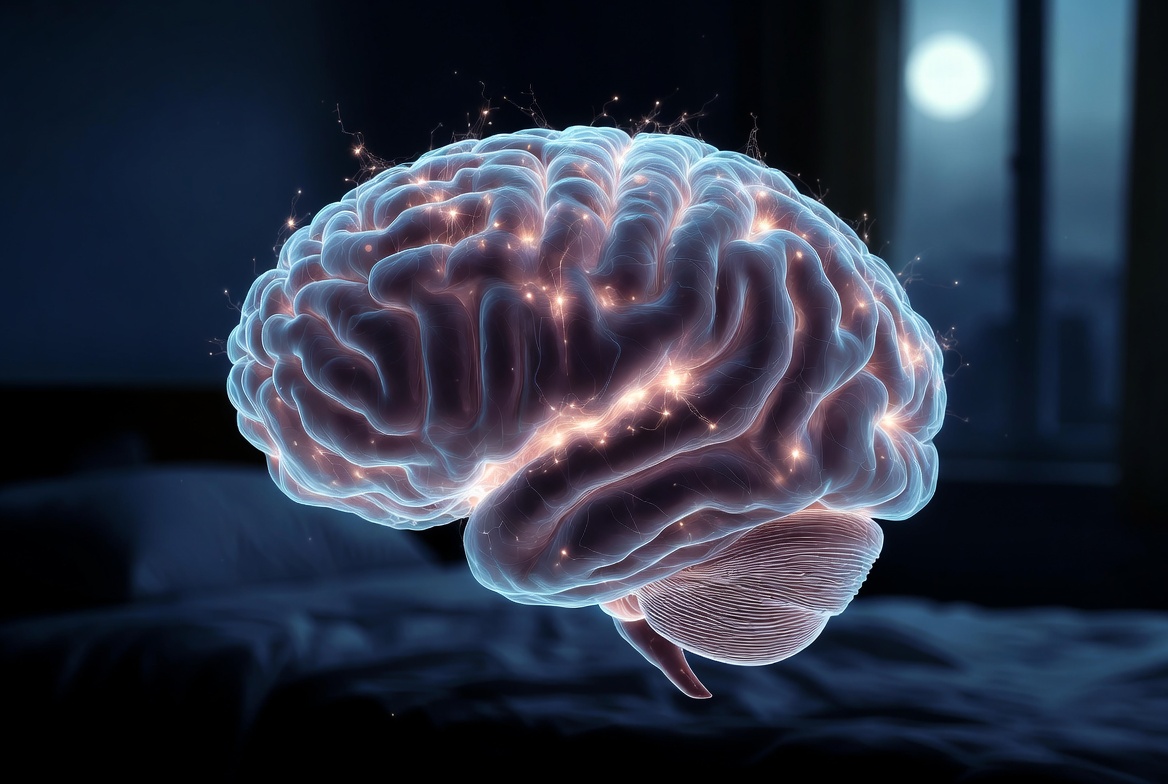
The human mind undergoes a fascinating biological shift every night as it moves from alert wakefulness to a state of total unconsciousness. This complex transition to deep sleep is not a simple shut down of the system but a highly active period of neurological restructuring. Many individuals experience sudden physical movements or mental jolts during this phase which are often referred to as hypnic jerks or sleep twitches.
The relationship between the brain and sleep is so delicate that even minor disruptions in the signaling pathways can lead to these involuntary reactions. Understanding why these events occur provides a deeper look into the science of how we recover from daily stress and maintain our cognitive edge.
The sudden brain sleep transition is a protective mechanism that the body uses to ensure that the muscles are fully relaxed before the heavy work of repair begins. When you are entering deep sleep your motor cortex is supposed to be temporarily inhibited so that you do not physically act out your dreams. However the brain twitches during sleep suggest that the communication between the primary motor center and the brainstem is still active for a few moments as the body settles down.
This objective look at the transition to deep sleep reveals that these twitches are actually a sign of a healthy and responsive nervous system. For any man in a high pressure career these facts about sleep and the brain are vital for optimizing the quality of nightly recovery.
Exploring the neurological triggers and the brain and sleep connection
The primary driver behind the movement of the body during the early stages of rest is the struggle between two internal systems. The reticular activating system which keeps us awake is fighting with the ventrolateral preoptic nucleus which promotes the transition to deep sleep. When you investigate the brain and sleep connection you find that these twitches are essentially the last sparks of consciousness as the brainstem takes full control of the motor pathways. This chemical cascade is what allows for the profound stillness required for cellular maintenance and memory consolidation.
- Sleep twitches are more common when the individual is suffering from extreme physical exhaustion.
- High levels of daily anxiety can keep the motor cortex in a state of hyperarousal during the night.
- Caffeine and other stimulants interfere with the smooth transition to deep sleep and increase jolts.
- The sudden brain sleep transition can be triggered by external noises that the brain interprets as threats.
- Mineral deficiencies like magnesium can make the nervous system more prone to brain twitches during sleep.
- Entering deep sleep requires a drop in core body temperature to signal the brain to release melatonin.
Unlike other neurological disorders these nocturnal movements are generally harmless and do not represent a serious medical threat to the individual. The science of sleep and the brain facts indicates that if the episodes are not waking you up constantly they are part of a normal biological cycle. Identifying the specific triggers for your own transition to deep sleep is the best way to ensure that your mind can enter the quietest phases of repair without interruption. By focusing on the health of your nervous system you provide your brain with the stability it needs to navigate these transitions with ease every single night.
The psychological impact of sudden brain sleep transition jolts
There is a significant amount of curiosity regarding why some nights are smoother than others when it comes to resting. The symptoms of brain twitches during sleep are often more pronounced during times of major life changes or professional pressure. When the transition to deep sleep is analyzed alongside mental health it becomes clear that a calm mind facilitates a much faster and quieter entry into rest. These facts about sleep and the brain suggest that the more you wind down before bed the less likely your body is to experience these sudden physical responses.
Navigating the phases of entering deep sleep effectively
The management of your rest cycles requires a commitment to improving your environment and your daily habits to support the brain. When looking for ways to stabilize the transition to deep sleep urologists and neurologists typically suggest focusing on the factors that lower the overall electrical activity of the brain before bed. Creating a sanctuary for recovery is one of the most important investments you can make for your long term cognitive health and physical durability.
- Maintain a very consistent rest schedule to stabilize your internal biological clock and chemical balance.
- Create a cool and dark environment that promotes the production of melatonin for a smooth entry.
- Avoid heavy meals and stimulants in the late afternoon to prevent brain twitches during sleep.
- Use relaxation techniques like deep breathing to lower the intensity of the sudden brain sleep transition.
- Keep a rest journal to identify any patterns or food triggers that might be disrupting your recovery.
- Ensure you are getting at least seven to nine hours of rest to avoid the effects of chronic exhaustion.
Implementing these steps is the only way to ensure a safe and restorative outcome for your mind and body. The consistency of your routine is what saves the nervous system from the chaos of irregular sleep cycles. The science of the transition to deep sleep has shown that the brain thrives on predictability and a calm environment. By following these evidence based protocols you can ensure that your rest is as efficient and silent as possible allowing you to wake up with total clarity for the challenges of the next day.
The role of sleep and the brain facts in professional performance
For any high performing individual the quality of their recovery is a competitive advantage in a demanding world. The transition to deep sleep is when the brain performs its most vital maintenance tasks including the clearance of metabolic waste. When you address the causes of brain twitches during sleep you are essentially optimizing your brain for better decision making and focus during your waking hours. This is why understanding the relationship between the brain and sleep is so important for long term professional success and mental stamina.
- Rapid entry into rest ensures that the brain has enough time for deep cellular repair and growth.
- Understanding the triggers of the sudden brain sleep transition helps in preventing daily mental fatigue.
- Professional productivity is directly linked to the stability of the transition to deep sleep.
- Accurate management of daily stress levels reduces the frequency of brain twitches during sleep.
- Long term cognitive health depends on the consistency of entering deep sleep every night.
- Educational awareness allows men to identify the signs of poor rest before the situation escalates.
By focusing on the objective data provided by neurological research you can make informed choices about your lifestyle. The science of the transition to deep sleep is a testament to the advancements in modern medicine that allow men to optimize their biology for better health. Every hour spent in deep rest is an investment in your future self that pays dividends in the form of sustained vitality and reduced stress. Your brain is your most valuable asset and protecting its recovery cycle is the foundation of a successful and vibrant life through the years.
Identifying the early signs of a difficult transition to deep sleep
Sometimes the signs of a poor rest cycle are subtle at first with the individual feeling just a bit more tired than usual. But any pattern that involves frequent waking or intense brain twitches during sleep should be monitored closely by the individual. By recognizing the difficulty in the transition to deep sleep early you can seek the necessary lifestyle changes before the situation impacts your work. Taking control of your rest environment ensures a better outcome for your body and your peace of mind in every situation.
Final thoughts on brain and sleep patterns and rest quality
Achieving a resolution to poor rest is a matter of understanding your own biological needs and following a structured plan for recovery. By understanding the science of the transition to deep sleep and knowing how to manage the brain and sleep connection you can protect your body from the consequences of exhaustion. Stay consistent with your health checks and choose a path of action that values the long term integrity of your nervous system. Achieving total health is about respecting the signals your brain sends and acting with the knowledge that modern science is there to support your complete recovery.
Common questions about the transition to deep sleep and health
Is the sudden brain sleep transition always a sign of a problem?
No in most cases the transition to deep sleep involves minor movements that are a normal part of the body settling down. However if these brain twitches during sleep are accompanied by gasping for air or extreme fear it is a good idea to consult with a professional. The science of the brain and sleep connection suggests that most of these events are harmless signs of the system shifting gears for the night.
What is the fastest way to stabilize the transition to deep sleep?
The most effective method is to maintain a strict routine and reduce the intake of stimulants like caffeine several hours before bed. This allows the chemicals in the brain to balance out naturally making the sudden brain sleep transition much smoother. Entering deep sleep becomes easier when the body is not fighting against the effects of chemicals that keep the nervous system in a state of high alert.
Can daily work stress increase the frequency of brain twitches during sleep?
Absolutely because high levels of cortisol keep the brain in a state of high readiness even when you are trying to rest. This makes the transition to deep sleep more difficult as the motor cortex remains active for longer than it should. Reducing your mental load before bed is one of the best ways to ensure a quiet night without the disruption of a sudden brain sleep transition jolting you awake.
Will i be able to improve my rest by understanding sleep and the brain facts?
Yes by applying the knowledge of how the brain and sleep work together you can make better choices about your diet and environment. Understanding the transition to deep sleep allows you to create a protocol that supports your biology naturally. Most men see a significant improvement in their energy and focus within just a few weeks of following an evidence based plan for entering deep sleep.
How do i know if my brain twitches during sleep are normal?
The general rule in neurological science is that if you feel rested and alert during the day your transition to deep sleep is likely healthy. If the brain twitches during sleep are causing you to wake up feeling exhausted or confused it is time to look at your rest hygiene. Protecting your nightly recovery is essential for your professional performance and your long term well being as an active man in a demanding world.
