



Intermittent fasting isn’t really a diet in the traditional sense. It’s better described as an eating pattern—a way of scheduling your meals to create dedicated periods of eating and fasting. The real power of this approach lies in its ability to support improved metabolic health, kickstart a process of cellular cleanup, and even lead to enhanced brain function. The focus here is on when you eat, not necessarily what you eat.
Getting to Know Intermittent Fasting and Why It's So Popular

At its heart, intermittent fasting (IF) is incredibly straightforward. You're just purposefully alternating between a window of time when you eat and a window when you don't. While it might feel like a new trend, the practice has ancient roots. Our ancestors didn't have 24/7 access to food, so going for extended periods without eating was a normal part of life, born from necessity rather than choice.
Here's a helpful way to think about it: imagine your digestive system is a bustling restaurant kitchen that's always open. Intermittent fasting is like finally scheduling a "closing time." This break allows the staff—your cells and organs—to stop taking new orders and start deep cleaning the kitchen. This scheduled downtime is crucial for repair, resetting internal processes, and handling maintenance tasks that just can't get done while your body is constantly digesting. It’s a stark contrast to our modern culture of round-the-clock snacking, where the kitchen doors never really shut.
Why It’s More Than Just Another Diet
Traditional diets are almost always about calorie restriction and what you can't eat. IF flips the script to focus on timing. By simply extending the fast that you naturally do every night while sleeping, you can activate some powerful biological shifts. The most important of these is the "metabolic switch," where your body transitions from burning easily accessible sugar (glucose) for fuel to tapping into its own fat stores for energy.
The reason IF has become so popular is tied to its simplicity and the wide range of its benefits. People are drawn to it because it doesn't demand special foods or complicated meal-prepping rituals. The core advantages that have caught the eye of both the public and researchers include:
- Metabolic Health: It can significantly improve how your body responds to insulin, which helps maintain stable blood sugar levels.
- Weight Management: IF often helps people naturally eat fewer calories and can give your metabolism a slight boost, making it a great ally for weight loss.
- Cellular Repair: The fasting state triggers a vital process called autophagy, which is basically your body's housekeeping crew clearing out damaged cells and debris.
- Brain Function: Many people who practice IF report sharper focus and mental clarity, and emerging research points to long-term protective effects for the brain.
This isn't just about losing a few pounds. It’s about giving your body a dedicated period for restoration and repair, which can have a ripple effect on everything from your daily energy to your long-term cellular health.
Ultimately, intermittent fasting provides a flexible blueprint, not a rigid set of rules. It allows you to find an eating schedule that fits your lifestyle, which is key to making it a sustainable practice for long-term health. In the sections that follow, we'll dive deeper into these benefits to show you exactly how this age-old practice can deliver some very modern rewards.
How Fasting Can Flip Your Metabolic Switch for Weight Loss

For most people, the headline benefit of intermittent fasting is its power to help shed pounds. But it’s not just about skipping meals. Fasting fundamentally rewires your body’s energy-burning process, creating the perfect conditions for sustainable fat loss.
Imagine your body is a hybrid car with two fuel tanks. The first tank holds glucose (from carbs), which is your body’s favorite, go-to fuel. When you eat around the clock, you’re constantly topping off this tank, so you never have to switch to the second one. The second, much larger tank is your stored body fat. Intermittent fasting is the key that forces your engine to tap into that powerful reserve.
Shifting Gears from Burning Sugar to Burning Fat
This transition is what experts call the metabolic switch. It happens when you go about 12 to 14 hours without eating, long enough to burn through all the readily available glucose. Once that primary fuel is gone, your body has no choice but to start breaking down stored fat into molecules called ketones to use for energy instead.
But this isn't just a simple fuel change. It kicks off a series of hormonal shifts that make fat burning dramatically easier.
- Insulin Levels Plummet: Think of insulin as the "fat-storing" hormone. After a meal, insulin rises to move glucose from your blood into your cells. During a fast, insulin levels drop dramatically. This is like unlocking the padlock on your fat stores, giving your body the green light to start burning them.
- Norepinephrine Rises: Fasting also gives you a boost of norepinephrine, a hormone that tells fat cells to release fatty acids. These fatty acids pour into your bloodstream, ready to be used as fuel, which can even give your metabolism a little nudge.
By dropping insulin and raising norepinephrine, intermittent fasting creates a powerful one-two punch for fat loss. It effectively transforms your body from a sugar-burner into a fat-burner.
Making a Calorie Deficit Effortless
Beyond the hormonal magic, intermittent fasting makes weight management simpler by helping you eat less without feeling like you're on a diet. When you shrink your eating window to, say, eight hours, you naturally cut out opportunities for mindless snacking and extra meals.
For many, just cutting out a high-calorie breakfast and late-night grazing is enough to create a significant calorie deficit. This approach feels far less restrictive than painstakingly counting every calorie, which is why so many people stick with it. To get a better sense of portioning within your eating window, check out our guide on what 1500 calories a day actually looks like.
The science backs this up. Study after study shows that intermittent fasting can lead to significant weight loss—typically between 4% to 10% of body weight over a few months for overweight adults. Better yet, this fat loss comes with bonus metabolic perks like improved insulin sensitivity and healthier cholesterol numbers. A major review by the National Institute on Aging confirms these benefits are driven by what they call "metabolic switching". This makes fasting a powerful strategy not just for your waistline, but for your overall health.
Triggering Your Body's Cellular Cleanup Process
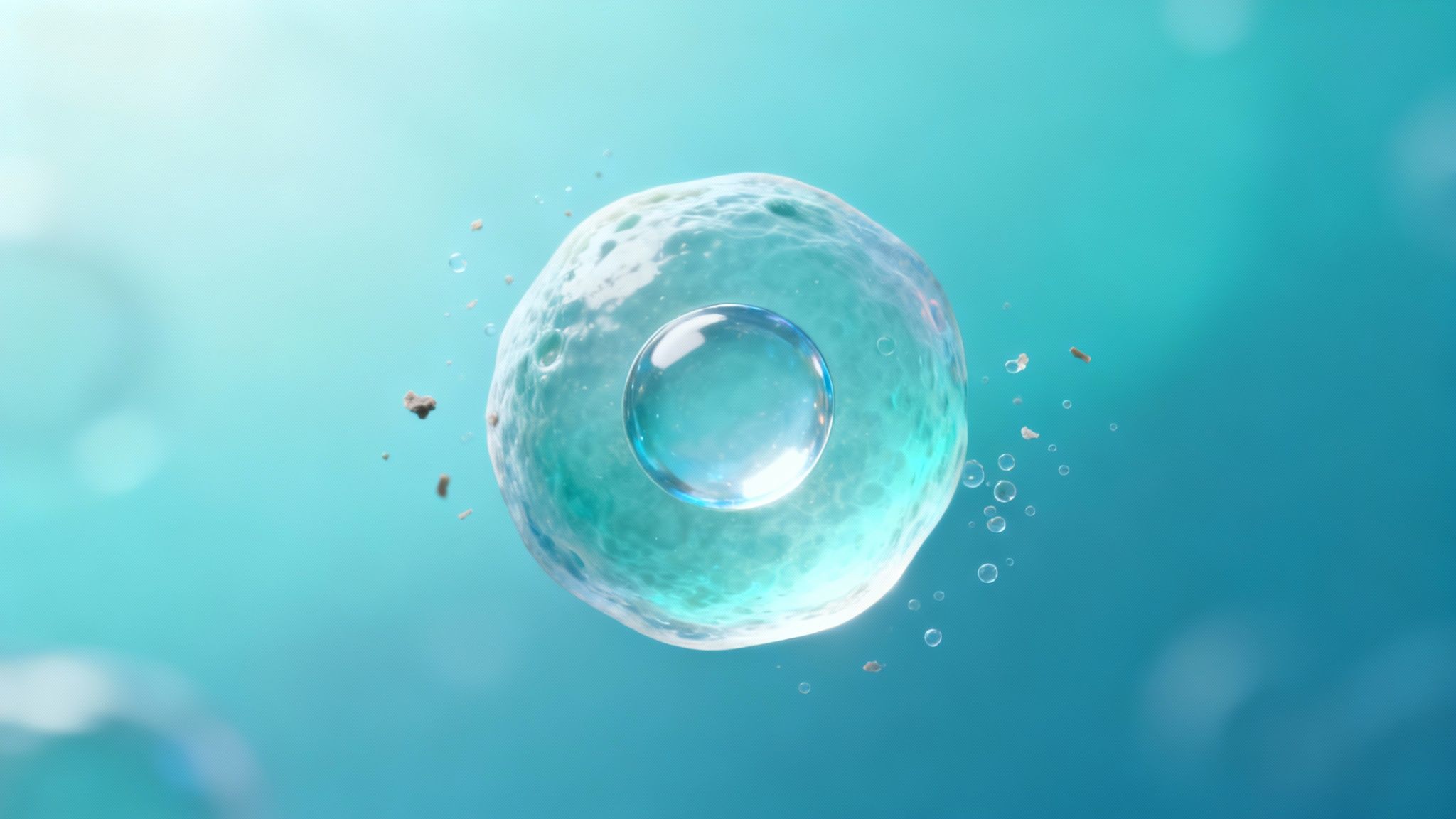
While the metabolic shifts from intermittent fasting are impressive, some of the most profound changes happen quietly, at the microscopic level. We're talking about a process called autophagy, which literally means "self-eating." It sounds a little strange, but it's one of the best things your body can do for its long-term health.
Think of it as your body's built-in recycling and quality control system. When you're constantly eating, your cells are in "growth mode," focused on processing incoming nutrients. But when you step back from food for a while, your body flips a metabolic switch. Your cells get a much-needed break and enter "cleanup mode."
What Is Autophagy and Why Does It Matter?
During autophagy, your cells go on a search-and-destroy mission for old, damaged, or junk parts. This includes misfolded proteins, worn-out cellular machinery, and other debris that accumulates over time, contributing to the aging process and various diseases.
Imagine a busy restaurant kitchen that's open 24/7. The dishes would pile up, equipment would start to malfunction, and the whole place would become a mess. Autophagy is like shutting down the kitchen overnight. A cleaning crew comes in, scrubs everything down, fixes the broken gear, and takes out all the trash. When the kitchen reopens, it runs like a well-oiled machine.
This cellular housekeeping is absolutely critical for a few key reasons:
- Cellular Rejuvenation: By clearing out the gunk, cells can function more efficiently.
- Disease Prevention: Autophagy can remove the toxic protein buildups associated with neurodegenerative diseases like Alzheimer's.
- Reduced Inflammation: It gets rid of damaged components that can trigger a state of chronic, low-grade inflammation.
This is foundational to your health, ensuring all your internal systems are running smoothly. So, the benefits of scheduling your meals go way beyond the number on the scale; you're activating a powerful, restorative mechanism.
The Fasting and Autophagy Connection
So, how does fasting kickstart this process? When your body goes without external nutrients for long enough, it enters a state of mild, beneficial stress. This is a signal to your cells that resources are tight, forcing them to become more efficient.
Instead of waiting for new building materials to arrive (i.e., your next meal), your cells turn inward. They start breaking down their own damaged parts for energy and to build new, functional components. It’s survival of the fittest at a microscopic level.
Research consistently shows that fasting is one of the most effective ways to trigger autophagy. While the process begins to ramp up after about 16 to 18 hours of not eating, longer fasts can stimulate it even more. This is a big reason why fasting windows like the popular 16/8 method are so effective.
From Cellular Cleanup to Real-World Health
This microscopic process has a direct impact on your real-world health. By regularly activating autophagy, you’re helping your body resist the wear and tear of aging and daily life. It’s a proactive strategy for staying healthy from the inside out.
For instance, this cellular cleanup plays a huge role in protecting your brain by getting rid of waste that could otherwise contribute to cognitive decline. At the same time, by tackling inflammation at its source, autophagy helps defend your body against a host of chronic conditions. It's one of the most powerful reasons why the simple act of changing when you eat can have such a deep and lasting impact on your well-being.
Sharpening Your Mind and Protecting Brain Health
The benefits of intermittent fasting don't stop at your waistline—they go all the way up to your brain. Fasting can have a profound impact on cognitive function, helping to cut through mental fog while building a more resilient mind for the long haul.
One of the most fascinating discoveries here involves a protein called Brain-Derived Neurotrophic Factor (BDNF). You can think of BDNF as "Miracle-Gro" for your brain cells. It’s absolutely vital for neuroplasticity, which is your brain's remarkable ability to grow, adapt, and forge new connections.
When you fast, your brain perceives it as a mild, beneficial challenge. This state kicks off a significant boost in BDNF production. This surge helps existing neurons survive and even encourages the growth of new ones, a process fundamental to learning, memory, and staying mentally sharp.
Fueling Your Brain with Ketones
Another major cognitive perk comes from that metabolic switch we talked about earlier. When your body shifts from burning glucose to burning fat, it starts producing an alternative fuel source: ketones. As it turns out, your brain runs incredibly well on this clean energy.
Many people who try intermittent fasting report a noticeable lift in mental clarity and focus. This isn't just a placebo effect. Ketones are a more efficient fuel for the brain than glucose, helping to stabilize energy levels and sidestep the sluggish "brain fog" that can creep in after a carb-heavy meal. This steady stream of energy is a key reason why fasting can feel so good for mental performance.
By shifting its primary fuel source to ketones, the brain can operate with greater efficiency and stability. This often translates to sharper thinking, better concentration, and a feeling of being more mentally “on.”
This improved focus can be a game-changer for your daily productivity. If you're looking for other ways to maintain steady energy, you might also want to explore some tips for boosting energy without caffeine to complement your fasting routine.
Protecting Your Brain for the Future
The cognitive upside of fasting isn't just about how you feel today. A growing body of research suggests it may also offer powerful, long-term protection against age-related cognitive decline. This protective shield works through a few different pathways.
- Reducing Inflammation: Chronic inflammation is a known enemy of brain health, contributing to many neurodegenerative diseases. The ketones produced during a fast have potent anti-inflammatory properties that help cool this damaging fire.
- Fighting Oxidative Stress: Think of oxidative stress as "rust" for your brain cells, caused by unstable molecules called free radicals. Fasting helps ramp up your brain's own natural antioxidant defenses to neutralize these harmful molecules.
- Activating Autophagy: Just as autophagy cleans out old, junky components in your body's cells, it does the same in your brain. This cellular housekeeping is crucial for clearing out the toxic protein clumps that are hallmarks of diseases like Alzheimer's.
By tackling inflammation, dialing down oxidative stress, and turning on this internal cleanup crew, intermittent fasting helps create an environment where your brain can not only thrive now but also better defend itself against the challenges of aging. It’s a proactive strategy for keeping your mind sharp and vital for years to come.
Finding the Right Intermittent Fasting Schedule for You
Knowing the science behind intermittent fasting is the easy part. The real challenge? Figuring out how to make it work in your actual, day-to-day life.
There’s no single “best” way to fast. The right approach is the one that fits so seamlessly into your routine that you can stick with it long-term. Let's walk through some of the most common fasting schedules so you can find a rhythm that feels right for you.
The 16:8 Method: The Daily Fast
The 16:8 method is easily the most popular entry point into intermittent fasting, and for good reason. It’s simple: you fast for 16 hours a day and eat all your meals within an 8-hour window.
For most people, this just means skipping breakfast and having their first meal around noon, then finishing dinner by 8 p.m. Since you’re asleep for a big chunk of that fasting time, it feels much more manageable than you might think.
- How It Works: Fast for 16 hours straight, then eat during the next 8 hours.
- Sample Schedule: An eating window from 12:00 PM to 8:00 PM is common. Outside of that, you can have non-caloric drinks like water, black coffee, or herbal tea.
- Best For: Beginners, people with predictable daily routines, and those who want a consistent daily structure.
The 5:2 Diet: The Weekly Reset
If daily fasting sounds too restrictive, the 5:2 diet might be a better fit. This approach focuses on your whole week. You eat normally for five days and then significantly cut your calories on two non-consecutive days.
On those two "fasting" days, you're not actually eating zero food. Instead, you'll aim for just 500-600 calories. This setup gives you a ton of flexibility, since you can pick which two days of the week you want to designate as your low-calorie days.
- How It Works: Eat normally 5 days a week. On 2 separate days, limit yourself to about 25% of your usual calorie intake.
- Sample Schedule: You might choose Monday and Thursday as your fasting days. On other days, you eat without strict calorie counting.
- Best For: People who prefer a few tough days over daily restrictions or those with unpredictable schedules.
Alternate-Day Fasting: The Advanced Approach
Ready for something more intense? Alternate-Day Fasting (ADF) is exactly what it sounds like: you fast every other day. It’s a powerful method, but it's definitely not for beginners.
There are a couple of ways to do it. The strictest version means consuming zero calories on your fast days. A more common and sustainable modification allows for about 500 calories on fast days, much like the 5:2 plan but on a more frequent schedule.
- How It Works: You alternate between a "feast" day of normal eating and a "fast" day of either zero or very few calories.
- Sample Schedule: Eat normally on Monday, fast on Tuesday, eat normally on Wednesday, and so on.
- Best For: Experienced fasters looking for more significant results, or those who find an "on/off" pattern easier to follow than daily calorie counting.
To make it even clearer, here’s a quick comparison of these popular methods.
Comparing Popular Intermittent Fasting Methods
This table breaks down the most common intermittent fasting schedules to help you figure out which one might align best with your lifestyle, goals, and experience level.
| Method | Fasting Schedule | Best For | Difficulty Level |
|---|---|---|---|
| 16:8 Method | Fast for 16 hours, eat within an 8-hour window daily. | Beginners, daily routine consistency. | Low |
| 5:2 Diet | Eat normally 5 days/week, restrict to 500-600 calories 2 days/week. | Those who prefer flexibility over daily restriction. | Medium |
| Alternate-Day | Alternate between a day of normal eating and a day of fasting (0-500 calories). | Experienced fasters seeking accelerated results. | High |
Ultimately, the goal is to find a schedule that feels sustainable for you. There's no prize for picking the hardest one!
Remember, what you eat is just as important as when you eat. Filling your eating window with nutrient-dense, whole foods is key. For some great ideas, take a look at our guide for building a clean eating meal plan that works perfectly with any fasting schedule.
And it’s not just about weight. Fasting has profound effects on the brain, from boosting focus to helping build cellular resilience.
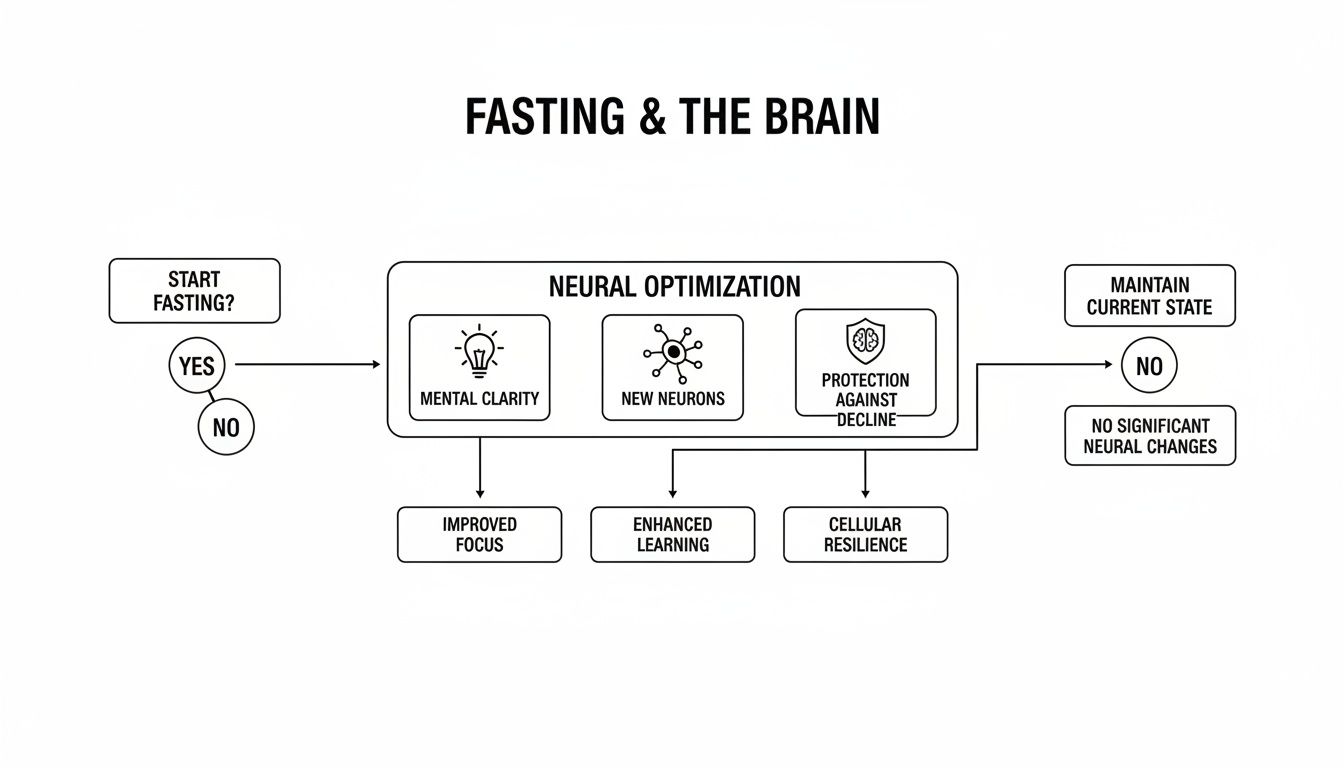
This process helps clear out cellular debris and supports the growth of new neurons, essentially giving your brain a chance to reset and recharge.
As compelling as the benefits of intermittent fasting are, it's a powerful metabolic tool—and powerful tools aren't right for every job or every person. It's just as important to understand the potential risks as it is to know the benefits. Forcing your body into a fasted state isn't a magic bullet, and for some people, it can do more harm than good.
Let's be clear: certain groups should steer clear of intermittent fasting or only try it under the close watch of a doctor. Listening to your body is always a good idea, but listening to a medical professional first is non-negotiable if you have certain health conditions.
When to Hit Pause and Consult a Professional
Intermittent fasting places a unique kind of stress on the body. For many, this is a "good" stress that kicks off positive changes, but it can be harmful if your body is already dealing with significant demands or has specific medical needs.
You should avoid intermittent fasting entirely if you are:
- Pregnant or breastfeeding: A consistent, on-demand supply of nutrients is absolutely essential for both the parent and the growing baby.
- Living with Type 1 diabetes: Going without food can cause dangerous swings in blood sugar. Any changes to your eating schedule require careful planning with your endocrinologist.
- A history of eating disorders: The focus on restriction and eating windows can easily trigger or worsen disordered eating patterns.
It's also a smart move to talk with your doctor before starting if you have conditions like low blood pressure, take medications that must be taken with food, or are clinically underweight.
Intermittent fasting isn't a one-size-fits-all strategy. Putting safety first and getting a green light from a healthcare professional is the smartest first step, especially if you have any pre-existing health concerns.
Navigating Common Side Effects and Long-Term Questions
Even for healthy individuals, the first week or two can be a bit bumpy. As your body adjusts to the new schedule, it’s not uncommon to experience temporary side effects like headaches, crankiness (hello, "hangry"), fatigue, or intense hunger pangs.
These symptoms are usually mild and fade as your body gets the hang of the new routine. The key is to stay very well-hydrated with water and maybe some electrolytes—it makes a huge difference in smoothing out that transition.
Beyond the initial adjustment, the scientific community is still exploring the long-term effects. We have dozens of human trials showing clear short-term wins, but the jury is still out on the impact over a lifetime. For example, one large observational study recently made headlines by linking very short eating windows (under 8 hours) with a higher risk of cardiovascular mortality. Researchers were quick to point out that this finding is preliminary and doesn't prove cause and effect, but it does serve as a good reminder to avoid extreme fasting schedules. You can learn more about recent intermittent fasting findings and the ongoing safety discussions.
At the end of the day, a balanced and sensible approach is your best bet. Pay close attention to how you feel, and don't ever be afraid to adjust your schedule or stop completely if it's not working for your body.
Common Questions About Intermittent Fasting
Jumping into intermittent fasting always brings up a ton of practical questions. Knowing the science is one thing, but figuring out how to fit fasting into your real life—with workouts, social events, and your morning coffee routine—is where the rubber meets the road. This section gives you clear, straightforward answers to the stuff everyone wonders about.
Think of this as your go-to FAQ. We’ll cover what you can drink without breaking your fast, when to take supplements, and what to do when your fasting schedule runs headlong into your social life. Having these answers ready will help you start with confidence and navigate any bumps along the way.
What Can I Drink During My Fasting Window?
This is, without a doubt, the number one question. The answer is actually simpler than you might think. The main goal during a fast is to keep your calorie intake at zero—or as close to it as possible—to keep insulin levels low and let your body get to work on things like fat-burning and cellular cleanup.
So, what’s on the approved list? Your best bets are drinks that won’t provoke an insulin response:
- Water: Your new best friend. Staying hydrated is absolutely critical for keeping hunger and headaches at bay.
- Black Coffee: Good news for coffee lovers. Plain, unsweetened coffee is perfectly fine. It has virtually no calories and can even help blunt your appetite.
- Unsweetened Tea: Green, black, or herbal teas are also excellent choices, as long as you skip the sugar and milk.
The non-negotiable rule is to avoid anything with calories. That means no milk, cream, sugar, honey, juice, or regular soda. Even diet sodas can be tricky; the artificial sweeteners can sometimes trigger an insulin response in certain people, so it’s usually best to just stick with the basics.
Staying hydrated is your secret weapon for a successful fast. It not only curbs hunger pangs but also helps prevent the fatigue and headaches that can pop up while your body is adjusting.
How Do I Handle Workouts and Supplements?
Another big one is how to juggle exercise and supplements with your new eating schedule. You can absolutely keep working out, but you might need to experiment a little to see what feels best for your body. Some people feel amazing and energized training in a fasted state, while others perform better after they’ve had a meal.
When it comes to supplements, the rule of thumb is pretty simple. If it has calories (like gummy vitamins or protein powders) or needs to be taken with a meal for absorption, save it for your eating window. Most non-caloric vitamins and minerals can be taken anytime, but it’s always a good idea to check the label.
And what about life? Navigating social events, like a dinner out with friends, is totally doable. The best part about intermittent fasting is its flexibility. If you know you have a late dinner planned, just start your fast later that day. The goal is to make fasting fit into your life, not the other way around.
At The Happy Health Blog, we're committed to giving you the clear, science-backed information you need to make positive, lasting changes. Explore more articles and tips to support your wellness journey at thehappyhealthblog.com.
