


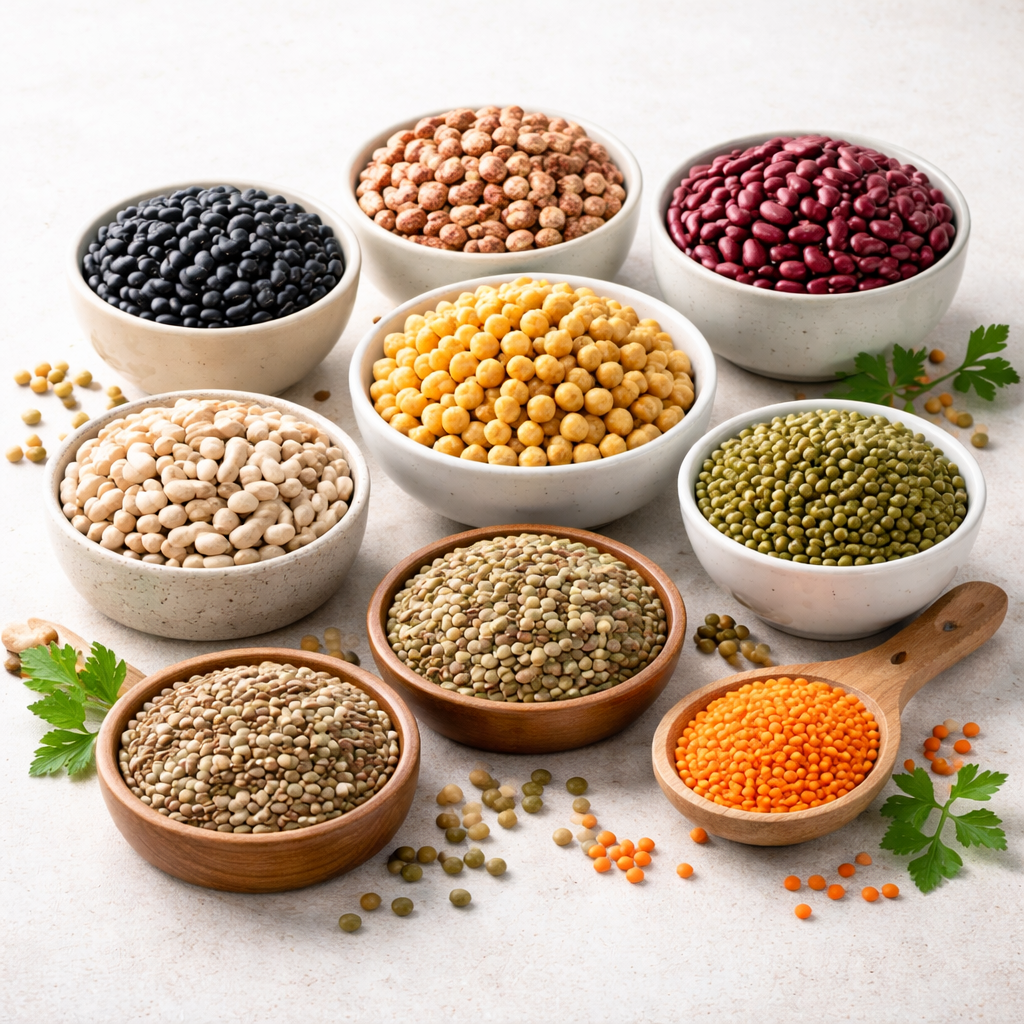
Welcome to your definitive resource for maximizing plant-based protein. In a world increasingly focused on sustainable and healthy eating, beans stand out as nutritional champions. Yet, not all legumes are created equal when it comes to their protein content. This comprehensive guide cuts through the confusion to reveal which beans are highest in protein, helping you make informed choices to meet your dietary goals.
We will provide a detailed breakdown of the top protein-packed beans, from versatile soybeans to hearty pinto beans. For each one, you’ll get precise nutritional data for both dry and cooked servings, actionable cooking tips, and creative meal ideas to seamlessly boost your daily protein intake. We will also cover the importance of amino acid profiles and how to achieve complete proteins by pairing beans with other plant-based foods.
Whether you're a seasoned vegan, an athlete looking for a performance edge, or simply aiming to incorporate more nutrient-dense foods into your diet, understanding the protein hierarchy of beans is a game-changer. This list is more than just data; it's a practical toolkit for anyone serious about optimizing their nutrition. Let’s unlock the power of these incredible plant-based powerhouses.
1. Soybean (Glycine max) – 36.5g protein per 100g dry | 11g per cooked serving
Topping the list of beans highest in protein is the remarkable soybean. Native to East Asia, this legume is a nutritional powerhouse, delivering an impressive 36.5 grams of protein per 100 grams when dry. What truly sets soybeans apart is their status as a complete protein, meaning they contain all nine essential amino acids your body needs, a rare trait in the plant kingdom.
Beyond their exceptional protein content, soybeans are versatile. They are the foundation for a wide array of popular food products, each offering unique textures and culinary uses. This versatility makes incorporating them into your diet both easy and exciting.
How to Use Soybeans
Soybeans can be consumed whole or, more commonly, in processed forms. Here are a few popular examples:
- Edamame: These are young, green soybeans, often steamed or boiled in their pods and served with a sprinkle of salt. They make a fantastic appetizer or snack.
- Tofu: Made from condensed soy milk pressed into solid white blocks, tofu is a staple meat substitute. Its neutral flavor allows it to absorb marinades and spices, making it perfect for stir-fries, scrambles, and curries.
- Tempeh: A fermented soybean product, tempeh has a firm texture and a nutty, earthy flavor. It’s excellent for making vegetarian burgers, sandwiches, or crumbled into sauces.
- Soy Milk & Miso: Soy milk serves as a popular dairy-free alternative, while miso paste, another fermented product, provides a rich, savory umami flavor to soups and marinades.
Maximizing Benefits
To get the most out of soybeans, choose fermented forms like tempeh and miso, which can improve digestibility. When preparing dried soybeans, soak them for 8-12 hours and cook thoroughly to reduce anti-nutrients. For a protein-packed start to your day, consider adding silken tofu to a smoothie or trying a tofu scramble. You can explore more ideas in these high-protein breakfast recipes.
2. Pinto Bean (Phaseolus vulgaris) – 22.3g protein per 100g dry | 15.4g per cooked serving
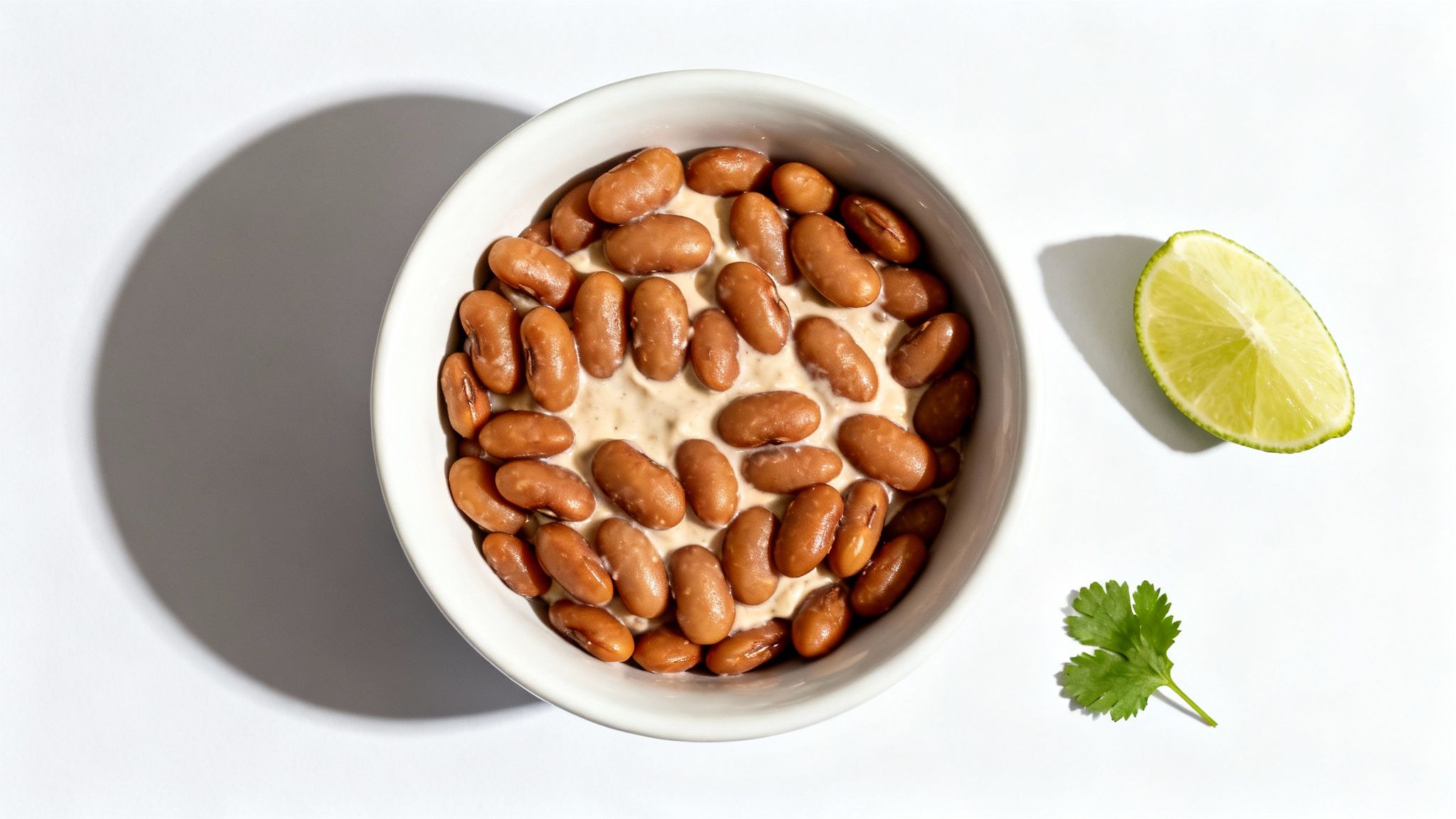
A staple in North and South American cuisine, the humble pinto bean is a significant source of plant-based protein. Packing 22.3 grams of protein per 100 grams dry, and a substantial 15.4 grams in a typical cooked serving, it’s a powerful and accessible option. Their name, meaning "painted" in Spanish, perfectly describes their beautiful mottled appearance, which disappears into a uniform pinkish-brown hue when cooked.
Pinto beans are celebrated for their creamy texture and earthy flavor, making them incredibly versatile in the kitchen. Unlike soybeans, pinto beans are not a complete protein on their own, as they are low in the essential amino acid methionine. However, this is easily remedied by pairing them with grains, a classic combination found in many traditional diets.
How to Use Pinto Beans
From side dishes to main courses, pinto beans are a culinary workhorse. Their soft texture makes them ideal for mashing, blending, or serving whole.
- Refried Beans: A classic Mexican side dish, pinto beans are mashed and cooked with spices. Serve them alongside tacos, burritos, or enchiladas.
- Chili and Stews: Their robust flavor and texture hold up wonderfully in hearty bean chilis, soups, and stews, providing both substance and protein.
- Bean & Rice Bowls: Combine pinto beans with rice, corn, and your favorite vegetables for a simple, balanced, and complete-protein meal.
- Bean Salads: Toss cooked and cooled pinto beans with corn, red onion, cilantro, and a lime vinaigrette for a refreshing and filling salad.
Maximizing Benefits
To make pinto beans a regular part of your high-protein diet, focus on proper preparation. Pairing them with grains like rice or corn tortillas creates a complete protein profile, ensuring you get all essential amino acids. Spices like cumin and ginger can aid digestion and reduce gas. Using a pressure cooker can slash cooking time from hours to under 30 minutes, making them a convenient choice for a quick post-workout meal. Discover more options in our guide to the best post-workout recovery foods.
3. Black Bean (Phaseolus vulgaris) – 24g protein per 100g dry | 8.9g per cooked serving
A staple in Latin American and Caribbean cuisines, the black bean is as nutritious as it is flavorful. These small, dark legumes provide a substantial 24 grams of protein per 100 grams when dry. Their rich, earthy flavor and dense, meaty texture make them an excellent addition to a wide range of dishes, solidifying their spot as one of the beans highest in protein.
Beyond their protein content, black beans are packed with fiber and beneficial antioxidants, particularly anthocyanins, which give them their deep black color. This combination of protein, fiber, and nutrients makes them a fantastic choice for supporting sustained energy, muscle health, and overall wellness.
How to Use Black Beans
Black beans are incredibly versatile and can be used in both savory and sweet recipes. Their creamy interior when cooked makes them a satisfying core ingredient.
- Tacos, Burritos, and Bowls: Black beans are a classic filling for Mexican and Latin American-inspired dishes, adding substance and protein.
- Soups and Stews: Their robust flavor holds up well in hearty soups, like the classic Cuban black bean soup.
- Veggie Burgers: Mashed black beans create a firm, delicious base for homemade vegetarian burger patties.
- Brownies and Desserts: Blending cooked black beans into brownie batter adds a surprising boost of protein and moisture without altering the rich, chocolatey taste.
- Dips and Spreads: Pureed black beans can be used to create a flavorful dip similar to hummus, perfect for serving with vegetables or crackers.
Maximizing Benefits
To get the most from black beans, pair them with a grain like rice or corn to form a complete protein, ensuring you receive all essential amino acids. Toasting the dried beans in a dry skillet for a few minutes before soaking can deepen their nutty flavor. For improved digestibility, try cooking them with a piece of kombu seaweed. Finally, pairing black beans with ingredients rich in vitamin C, such as lime juice or bell peppers, can help enhance iron absorption.
4. Chickpea/Garbanzo Bean (Cicer arietinum) – 19g protein per 100g dry | 12.3g per cooked serving
A true ancient staple, the chickpea (also known as the garbanzo bean) has been cultivated for over 10,000 years. This versatile legume offers a substantial 19 grams of protein per 100 grams dry. Renowned for its nutty flavor and firm, creamy texture, the chickpea is a cornerstone of Mediterranean and Middle Eastern cuisines and a favorite in the global plant-based movement.
Its balanced nutritional profile and culinary flexibility make it an excellent choice for anyone looking to increase their intake of plant-based protein. While not a complete protein on its own, it pairs perfectly with grains like rice or quinoa to provide all essential amino acids, making it a valuable part of a balanced diet.
How to Use Chickpeas
From classic dishes to innovative snacks, chickpeas can be incorporated into your meals in countless ways. Their mild flavor makes them an ideal canvas for a variety of spices and herbs.
- Hummus & Falafel: Chickpeas are the star ingredients in these two iconic Middle Eastern dishes. Hummus is a creamy dip made from puréed chickpeas, while falafel are deep-fried fritters that are crispy on the outside and tender inside.
- Curries and Stews: In dishes like Indian chana masala, chickpeas absorb robust flavors from spices, creating a hearty and satisfying meal. They add texture and protein to vegetable stews and soups.
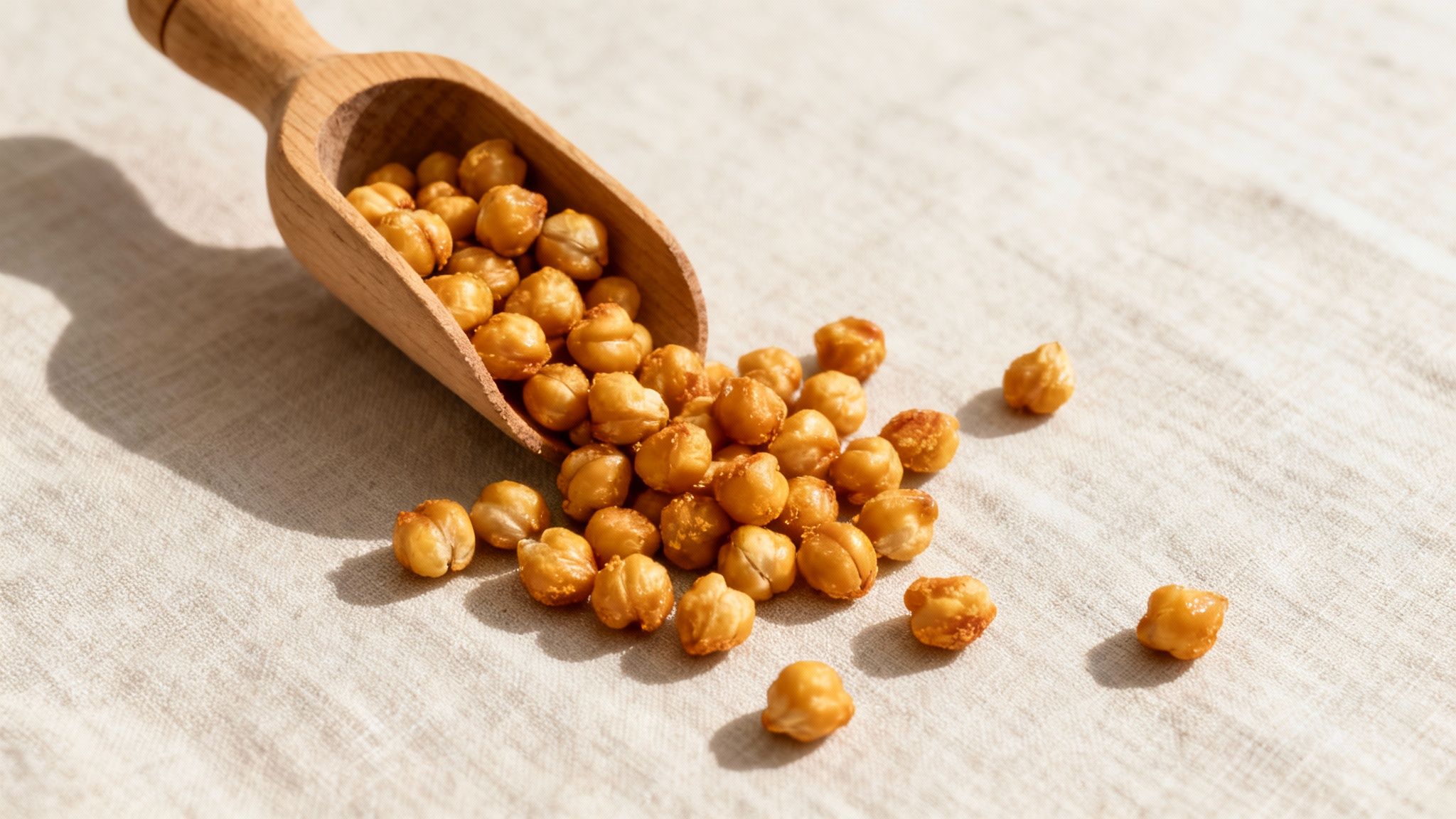
- Roasted Snacks: Tossed with olive oil and spices, then roasted until crispy, chickpeas transform into a crunchy, savory snack that is far healthier than traditional chips.
- Salad & Bowl Toppers: Add a scoop of cooked chickpeas to salads or grain bowls for an instant boost of protein and fiber, making your meal more filling and nutritious.
Maximizing Benefits
To make the most of chickpeas, roast them with spices for a high-protein, crunchy snack that satisfies cravings. The cooking liquid, known as aquafaba, is a fantastic vegan egg replacer in baking for recipes like meringues and mousses. For faster meal prep, pressure cook dried chickpeas for 35-40 minutes. You can also explore how these beans fit into a healthy lifestyle by reading about the benefits of anti-inflammatory foods.
5. Lentil (Lens culinaris) – 25g protein per 100g dry | 9g per cooked serving
Though technically the seeds of a legume plant, lentils hold a well-deserved spot on our list of beans highest in protein. With a history stretching back over 13,000 years in the Near East, these tiny powerhouses offer 25 grams of protein per 100 grams dry. Unlike many beans, lentils cook quickly and don’t require pre-soaking, making them an incredibly convenient choice for a high-protein meal.
Canada is a global leader in lentil production, a testament to their enduring popularity across many cultures. From hearty European soups to the staple dal of Indian cuisine, lentils are celebrated for their versatility and earthy flavor. They are an excellent source of dietary fiber, iron, and folate.
How to Use Lentils
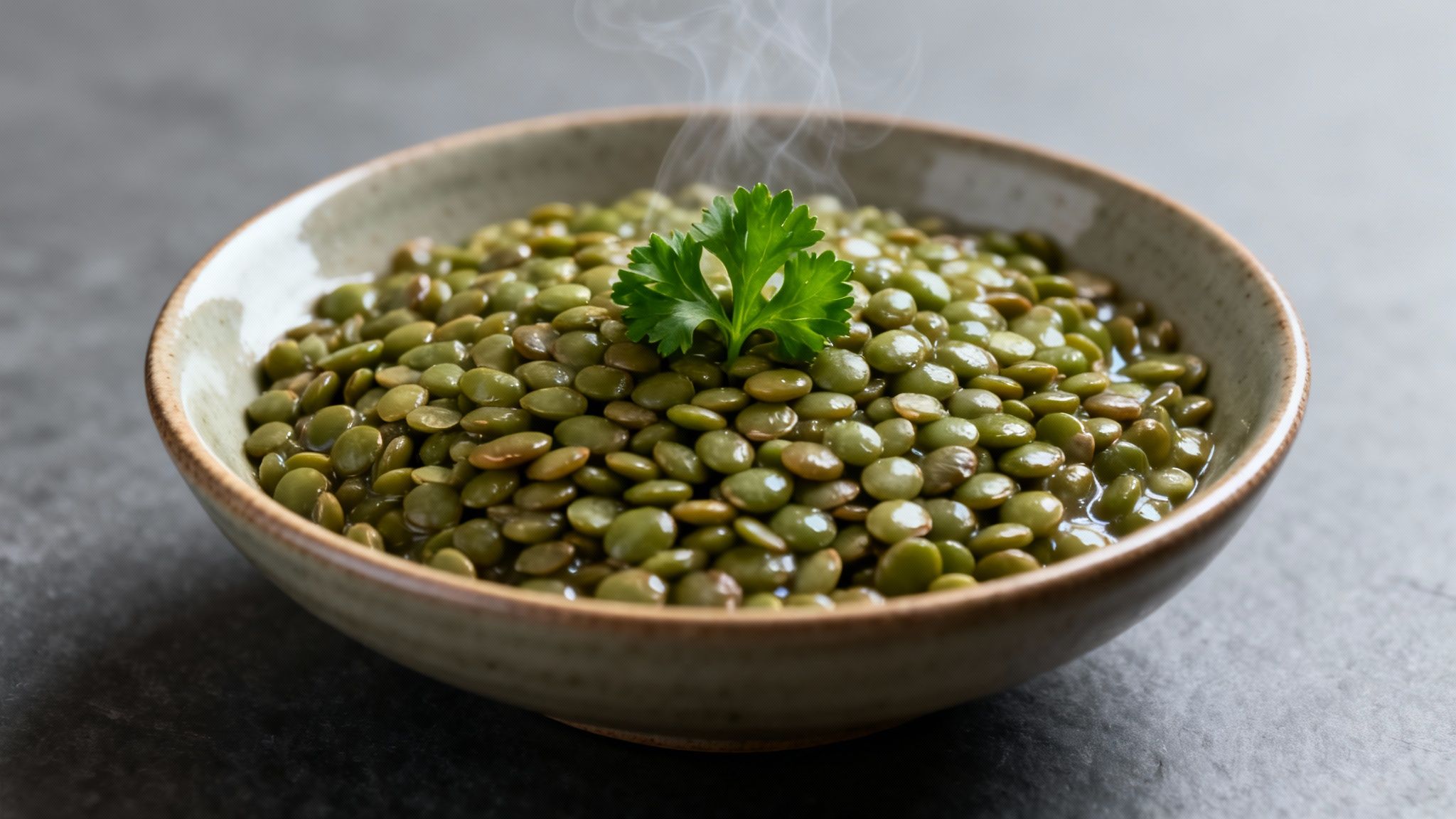
Available in a spectrum of colors like red, green, brown, and black, each variety has a unique texture and best use. This adaptability makes them a fantastic ingredient in countless dishes.
- Soups and Stews: Brown or green lentils hold their shape well, adding substance and protein to soups and stews common in Mediterranean and Middle Eastern cuisines.
- Indian Dal: Red and yellow lentils cook down to a creamy, soft consistency, making them the perfect base for the iconic Indian staple, dal.
- Salads: Firm green or black (Beluga) lentils have a robust texture that works beautifully in cold salads mixed with fresh vegetables and a vinaigrette.
- Meat Substitutes: Cooked brown lentils are an ideal ground meat replacement in dishes like vegan bolognese, shepherd's pie, or veggie burgers.
Maximizing Benefits
To create a complete protein, combine lentils with grains like rice, quinoa, or whole-wheat bread. This pairing ensures you receive all nine essential amino acids. For beginners, red lentils are a great starting point due to their very quick cooking time. Before cooking any variety, always rinse them thoroughly to remove any dust or debris. To aid digestion, try cooking lentils with spices like ginger, cumin, or fennel seeds.
6. Kidney Bean (Phaseolus vulgaris) – 24.9g protein per 100g dry | 8.7g per cooked serving
A staple in hearty comfort foods like chili and stews, the kidney bean is a formidable source of plant-based protein. Named for its distinct shape, this popular bean provides a solid 24.9 grams of protein per 100 grams dry. Its robust texture and ability to absorb surrounding flavors make it a culinary workhorse, particularly in North American, Latin American, and Indian cuisines.
Beyond its protein content, the kidney bean is rich in complex carbohydrates and dietary fiber, which aids in digestion and promotes a feeling of fullness. However, it's crucial to prepare them correctly, as raw or undercooked kidney beans contain a high concentration of a toxin called phytohaemagglutinin (a lectin), which can cause food poisoning.
How to Use Kidney Beans
Kidney beans have a firm, creamy texture that holds up well during cooking, preventing them from turning to mush in slow-cooked dishes. Their mild flavor makes them incredibly versatile.
- Chili and Stews: Red kidney beans are the classic choice for chili con carne and other hearty stews, adding bulk, protein, and satisfying texture.
- Salads: Chilled kidney beans are excellent in cold bean salads, often mixed with corn, bell peppers, and a vinaigrette for a quick, nutritious lunch.
- Curries: In Indian cuisine, kidney beans are the star of rajma masala, a thick, flavorful curry typically served with rice.
- Rice Dishes: Combining kidney beans with rice, as seen in Caribbean rice and peas, creates a simple yet complete meal.
Maximizing Benefits
Proper preparation is non-negotiable for kidney beans. To ensure they are safe and digestible, always boil them rapidly for at least 30 minutes to destroy the lectins. Never use a slow cooker for dried kidney beans from scratch without boiling them first. Soaking them overnight and discarding the soaking water before cooking can also help. For a complete protein source, pair kidney beans with grains like rice or corn, which provides the essential amino acids that beans lack.
7. White Bean/Cannellini Bean (Phaseolus vulgaris) – 24g protein per 100g dry | 8.9g per cooked serving
Securing a spot among the beans highest in protein is the versatile white bean. This category includes popular varieties like cannellini, navy, and great northern beans, all prized for their creamy texture and mild, adaptable flavor. With a solid 24 grams of protein per 100 grams dry, they are a fantastic addition to a balanced diet and a cornerstone of Mediterranean cooking.
White beans are celebrated for their ability to add substance and a rich, creamy consistency to dishes without overpowering other ingredients. This quality makes them an incredibly versatile pantry staple, perfect for everything from rustic soups and hearty stews to elegant salads and smooth, savory dips. Their smooth texture makes them an excellent thickening agent and a healthy alternative to dairy in many recipes.
How to Use White Beans
White beans shine in a variety of culinary applications, particularly in European and Mediterranean cuisine. Here are some classic ways to enjoy them:
- Tuscan Soups & Stews: Cannellini beans are the star of dishes like traditional Tuscan white bean and kale soup or the classic pasta e fagioli. Their robust shape holds up well during long cooking times.
- Creamy Dips & Spreads: Blended with garlic, lemon juice, and olive oil, white beans create a delicious and healthy dip that rivals hummus. They can also be pureed into sauces to add creaminess without heavy cream.
- Hearty Salads: Combine whole cannellini beans with fresh herbs like rosemary, tuna, red onion, and a light vinaigrette for a protein-packed and satisfying lunch.
- White Bean Chili: A popular alternative to traditional chili, this version uses white beans and poultry or vegetables for a lighter yet equally flavorful meal.
Maximizing Benefits
To make the most of white beans, consider their specific type. Use larger, firmer cannellini beans for salads and chunky soups where you want them to hold their shape. Softer navy beans are ideal for mashing or pureeing into smooth dips and creamy soup bases. When cooking dried beans, adding an acidic ingredient like tomato or lemon juice towards the end of the cooking process can help them stay firm and prevent mushiness.
8. Mung Bean (Vigna radiata) – 24g protein per 100g dry | 3g per cooked serving
Known for their subtle sweetness and soft texture, mung beans are small, green legumes that hold a significant place in Asian cuisine. Originating in India, they offer a solid 24 grams of protein per 100 grams when dry. What makes mung beans particularly noteworthy is their high digestibility, making them an excellent choice for those who find other legumes too heavy.
Their versatility is a major strength, as they are used whole, split (as moong dal), or sprouted. This adaptability allows them to be seamlessly integrated into everything from savory main courses to light, refreshing salads and even desserts, making them a staple in any list of beans highest in protein.
How to Use Mung Beans
Mung beans are celebrated for their quick cooking time and ease of use. Here are some of the most popular ways to enjoy them:
- Moong Dal: This is the split and hulled version of the mung bean. It cooks very quickly and is the base for classic Indian dal dishes, which are creamy, savory lentil stews.
- Mung Bean Sprouts: Sprouted mung beans are a crunchy, fresh addition to salads, spring rolls, and stir-fries. They add texture and a boost of living enzymes to any dish.
- Soups and Stews: Whole mung beans can be cooked into hearty soups and stews, often flavored with ginger, garlic, and turmeric for a comforting and nutritious meal.
- Mung Bean Noodles & Desserts: In many Asian cultures, mung bean flour is used to make glass noodles (cellophane noodles) and a variety of sweet desserts and pastries.
Maximizing Benefits
To get the most out of mung beans, consider how you prepare them. Sprouting the beans significantly increases their enzyme content and makes them even easier to digest. For cooked dishes, using moong dal (split mung beans) dramatically reduces cooking time. To create a complete protein, simply pair mung beans with a grain like rice, a classic combination found in dishes like kitchari. Adding sprouted mung beans raw to a salad is a fantastic way to enjoy their benefits with minimal preparation.
Top 8 Beans by Protein Content
| Item | 🔄 Prep complexity | ⚡ Time & resources | 📊 Protein & impact | 💡 Ideal use cases | ⭐ Key advantages |
|---|---|---|---|---|---|
| Soybean (Glycine max) | High — soaking + long cook or fermentation; processed options available | Long cook 2–3 h or use processed forms (tofu/tempeh); higher fat = more calories | 36.5g/100g dry; 11g per cooked serving — complete amino acid profile; highest legume protein 📊⭐ | Tofu, tempeh, edamame, soy milk; meat/dairy alternatives | Highest protein density; complete protein; versatile; fermented forms easier to digest |
| Pinto Bean (Phaseolus vulgaris) | Moderate — soaking recommended; long simmer yields creamy texture | Long cook 2–3 h (pressure cooker ≈25 min); low cost and shelf-stable | 22.3g/100g dry; 15.4g per cooked serving — good protein-to-calorie ratio 📊 | Refried beans, chili, bean & rice bowls, soups | High fiber; creamy texture; affordable and versatile |
| Black Bean (Phaseolus vulgaris) | Moderate — soaking optional; holds shape during long cooks | Cook 1.5–2.5 h; moderate energy; resists breaking | 24g/100g dry; 8.9g per cooked serving — moderate protein; high anthocyanin antioxidant content 📊 | Black bean soups, tacos, rice pairings, dips | Strong antioxidant profile; keeps shape; heart-healthy |
| Chickpea (Cicer arietinum) | Moderate — soaking advised for best texture; tinned option available | Cook 1.5–2 h (pressure cook 35–40 min); tinned faster but may be high-sodium | 19g/100g dry; 12.3g per cooked serving — good protein when paired with grains 📊 | Hummus, falafel, chana masala, roasted snacks | Resistant starch for gut health; versatile; good for purees and snacks |
| Lentil (Lens culinaris) | Low — generally no soaking; easy rinsing | Fast cook 15–30 min depending on type; very energy-efficient ⚡ | 25g/100g dry; 9g per cooked serving — high protein density and quick prep 📊 | Dal, soups, salads, lentil bolognese | Quick-cooking; affordable; many varieties for different textures |
| Kidney Bean (Phaseolus vulgaris) | High — soaking required; MUST boil thoroughly to destroy lectins | Long cook 1.5–2 h plus 30+ min rolling boil; pressure cooker reduces time | 24.9g/100g dry; 8.7g per cooked serving — high protein but safety-critical if undercooked 📊 | Chili, stews, rajma, bean salads | Firm, dense texture for long-cooked dishes; high protein |
| White/Cannellini (Phaseolus vulgaris) | Moderate — soaking recommended; can become mushy if overcooked | Cook 1.5–2 h; moderate energy; good for purees | 24g/100g dry; 8.9g per cooked serving — high protein and creamy mouthfeel 📊 | Pasta e fagioli, purees, Mediterranean soups and salads | Mild flavor; creamy texture; excellent for soups and dips |
| Mung Bean (Vigna radiata) | Low — no soaking needed for many preparations; excellent for sprouting | Very quick cook 20–30 min; sprouts require little energy — highly efficient ⚡ | 24g/100g dry; 3g per cooked serving — low protein per typical cooked serving but highly digestible 📊 | Sprouts, moong dal, stir-fries, soups, raw salads | Exceptional digestibility; fast-cooking and sproutable; gentle on digestion |
Making Protein-Packed Beans a Delicious Part of Your Daily Diet
Navigating the world of plant-based protein can seem complex, but as we've explored, the humble bean offers an accessible, affordable, and powerful solution. This guide has equipped you with a detailed breakdown of the beans highest in protein, moving beyond simple numbers to provide a practical toolkit for your health journey. From the unparalleled protein density of soybeans to the hearty, versatile nature of pinto and black beans, you now understand the unique nutritional profile each legume brings to the table.
We've seen that while many beans boast impressive protein counts in their dry state, the key to unlocking their benefits lies in preparation and strategic pairing. The concept of creating a complete protein by combining beans with grains like brown rice, quinoa, or whole-wheat pasta is not just a nutritional strategy; it's a culinary one. This simple practice ensures you receive all nine essential amino acids your body needs to build muscle, repair tissue, and thrive.
Key Takeaways for Your Protein Strategy
To truly integrate these powerhouse foods into your diet, focus on these core principles:
- Variety is Your Ally: Don't just stick to one type of bean. Rotating between soybeans (as edamame or tofu), lentils, chickpeas, and kidney beans ensures a broader spectrum of vitamins, minerals, and phytonutrients. Each bean offers a unique texture and flavor, preventing dietary boredom.
- Master the Complete Protein Pair: Make the bean-and-grain combination an automatic part of your meal planning. Think black bean and corn salsa with whole-grain chips, lentil soup with a side of crusty whole-wheat bread, or a chickpea curry served over a bed of fluffy quinoa.
- Embrace Both Convenience and Control: Canned beans are a fantastic, time-saving option for busy weeknights. Just remember to rinse them well to reduce sodium. When you have more time, cooking beans from scratch allows you to control the sodium content and often yields a superior texture and flavor.
Putting Your Knowledge into Action
The true value of this information is realized when you apply it. Instead of overhauling your entire diet, start with small, manageable steps. This week, challenge yourself to try one new recipe featuring one of the beans highest in protein from our list. Perhaps it's a creamy cannellini bean dip instead of a dairy-based one, or swapping ground meat for hearty lentils in your favorite pasta sauce.
By making these simple, intentional additions, you are not just boosting your protein intake. You are also increasing your fiber consumption, supporting digestive health, and incorporating heart-healthy, cholesterol-free ingredients into your meals. Mastering the art of cooking with beans is a foundational skill for long-term wellness, providing a sustainable path to a nutrient-rich diet that is both satisfying and delicious.
Ready to discover more simple, science-backed ways to elevate your nutrition? The Happy Health Blog is your ultimate resource for delicious recipes, practical wellness guides, and expert-driven advice designed to make healthy living enjoyable and sustainable. Explore our extensive library of articles and meal plans to continue your journey toward a healthier, more vibrant you at The Happy Health Blog.
