


Headaches, from the persistent throb of a tension headache to the debilitating pain of a migraine, are a near-universal experience that can significantly disrupt daily life. While reaching for over-the-counter pain relievers is a common reflex, a growing interest in holistic wellness has many people searching for effective, sustainable, and natural remedies for headaches. This guide is designed to meet that need, offering a comprehensive roundup of evidence-backed strategies that go beyond simply masking symptoms.
This article moves past generic advice to provide a practical toolkit for managing headache pain. We will explore ten distinct, powerful remedies, detailing not just what they are but precisely how to use them for maximum benefit. You will find actionable steps for everything from applying peppermint oil and leveraging ginger root's anti-inflammatory properties to implementing specific relaxation techniques and understanding the crucial role of hydration and magnesium.
Our focus is on empowerment, giving you the knowledge to integrate these methods into your wellness routine. Each section is structured for clarity, outlining the scientific basis for each remedy, its potential effectiveness, and critical safety considerations. By understanding these natural approaches, you can build a proactive strategy to manage, reduce, and even prevent headache occurrences, helping you reclaim control and find lasting relief without immediate reliance on medication. We'll delve into aromatherapy, strategic caffeine use, and physical therapies like acupressure, providing a holistic and actionable path toward a clearer head.
1. Peppermint Oil
Peppermint oil, an essential oil derived from the Mentha piperita plant, has been a cornerstone of traditional herbal medicine for centuries. Its primary active component, menthol, is responsible for its powerful analgesic (pain-relieving) properties, making it a go-to natural remedy for tension-type headaches and even some migraines. When applied topically, menthol produces a cooling sensation that can help relax tense muscles and improve blood flow, distracting the brain from pain signals.
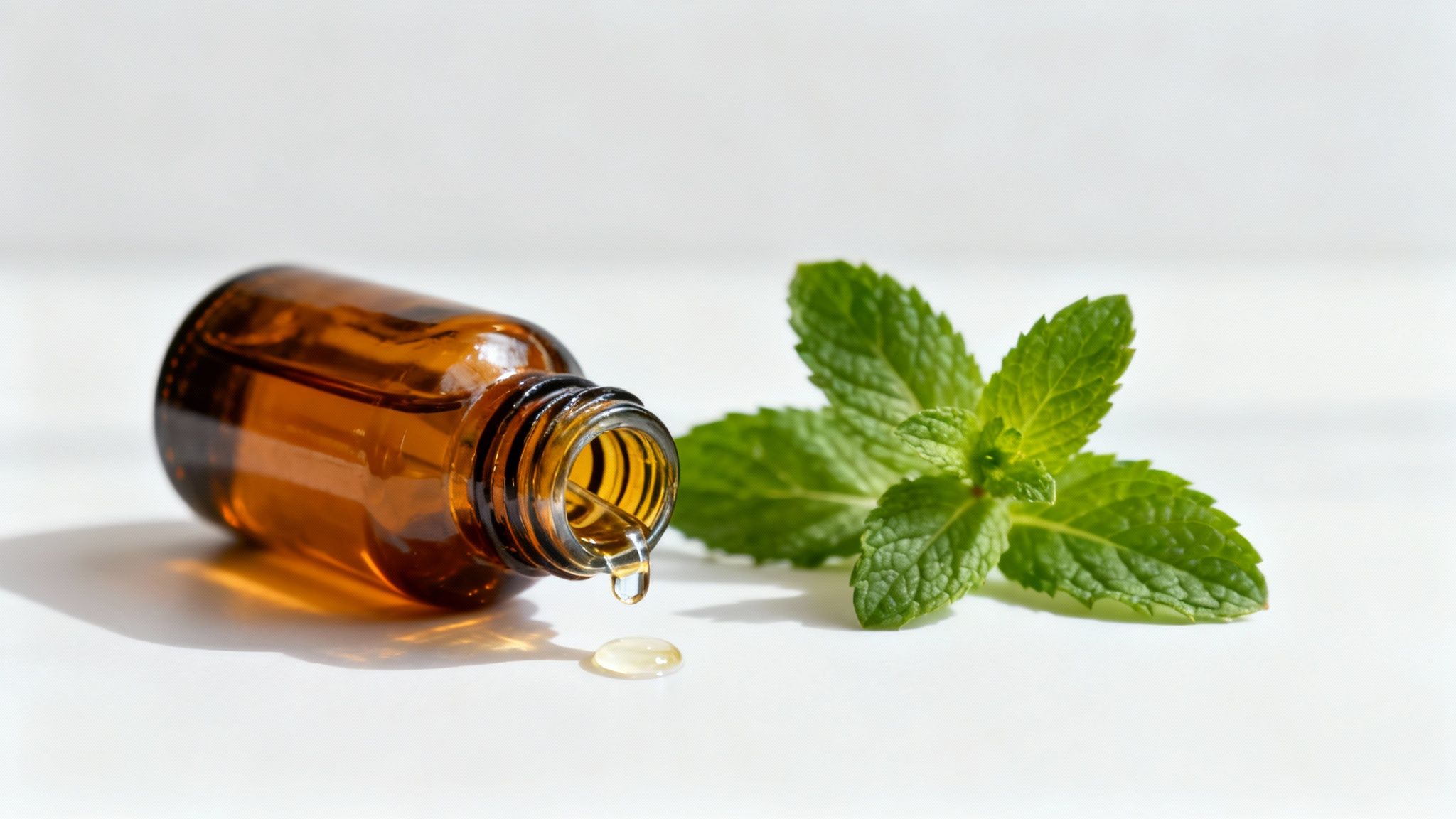
Research supports its effectiveness. One notable study found that a 10% peppermint oil solution applied topically was as effective as acetaminophen in relieving tension headache pain. Many people find relief through products like Vicks VapoRub, which contains menthol, by applying it to their temples.
How to Use Peppermint Oil for Headaches
For fast-acting relief, especially from headaches caused by stress or muscle tension, both topical application and inhalation are effective methods.
- Topical Application: This is the most direct method.
- Dilute First: Never apply pure peppermint oil directly to the skin. Mix 2-3 drops of peppermint essential oil with one teaspoon of a carrier oil like coconut, jojoba, or almond oil.
- Apply and Massage: Gently massage the diluted mixture onto your temples, forehead, and the back of your neck. Use small, circular motions for 2-3 minutes.
- Inhalation: This method is ideal for office environments or for those with sensitive skin.
- Add a few drops to a room diffuser to create a calming, headache-relieving atmosphere.
- Place a drop or two on a tissue and inhale deeply.
Safety First: Always perform a patch test on a small area of skin (like your inner arm) to check for sensitivity before applying to your face or neck. Avoid any contact with your eyes, and do not ingest essential oils unless under the guidance of a certified professional.
2. Lavender
Lavender, derived from the Lavandula angustifolia plant, is celebrated in aromatherapy for its profound calming and sedative effects. Its primary compounds, linalool and linalyl acetate, are known to soothe the nervous system, making lavender oil an excellent natural remedy for headaches triggered by stress, anxiety, and lack of sleep. By promoting relaxation and easing muscle tension, lavender can help alleviate the underlying causes of many tension-type headaches and even reduce the severity of some migraines.
Scientific evidence backs its use. A clinical trial from 2012 found that participants who inhaled lavender essential oil for 15 minutes experienced a significant reduction in migraine headache severity compared to a placebo group. Many people find relief by using a lavender-infused pillow spray to improve sleep quality or diffusing the oil in their workspace during stressful periods.
How to Use Lavender for Headaches
Both inhalation and topical application are effective ways to harness lavender's headache-relieving properties, particularly for headaches rooted in stress.
- Inhalation: This method offers a gentle, non-invasive approach.
- Use a Diffuser: Add 5-7 drops of lavender essential oil to a room diffuser and run it for 30 minutes to create a tranquil environment that can help prevent a stress headache from starting.
- Steam Inhalation: Add 3-4 drops of lavender oil to a bowl of hot water. Lean over the bowl with a towel draped over your head and inhale the steam deeply for 5-10 minutes.
- Topical Application: Applying diluted oil directly can provide targeted comfort.
- Mix 2-3 drops of lavender oil with a teaspoon of a carrier oil, such as coconut or jojoba oil.
- Gently massage the blend into your temples, the back of your neck, and your scalp.
Safety First: Lavender is generally considered safe, but pure essential oil can cause skin irritation. Always dilute it with a carrier oil before topical use and perform a patch test. If you are pregnant, nursing, or have a medical condition, consult your healthcare provider before using essential oils.
3. Ginger Root
Ginger (Zingiber officinale), a flowering plant whose rhizome is widely used as a spice and folk medicine, offers potent anti-inflammatory and pain-relieving properties. Its active compounds, gingerol and shogaol, are believed to work by inhibiting prostaglandins, which are inflammation-causing chemicals in the body that can trigger migraine pain. This mechanism makes ginger one of the most effective natural remedies for headaches, especially migraines, and it also helps combat the nausea that often accompanies them.

Scientific evidence backs its traditional use. A compelling study compared the effectiveness of ginger powder to sumatriptan, a common migraine medication. The results showed that ginger was just as effective as the drug in reducing migraine severity but with fewer side effects. This makes it a powerful option for those seeking relief without the potential drawbacks of pharmaceuticals.
How to Use Ginger for Headaches
Ginger can be used both acutely at the onset of a headache and preventatively. It is most effective when taken at the very first sign of pain.
- Fresh Ginger Tea: This is a simple and soothing method.
- Prepare: Slice about one inch of fresh ginger root into thin pieces.
- Steep: Place the ginger slices in a mug and pour boiling water over them. Let it steep for 10-15 minutes. Add honey and lemon for taste. Find out more about the benefits of herbal teas on thehappyhealthblog.com.
- Ginger Supplements: For a more concentrated dose, supplements are a great option.
- Take 250-500 mg of ginger powder in a capsule at the start of a headache.
- For prevention, some studies suggest a daily dose may reduce the frequency and intensity of migraines.
Safety First: While ginger is generally safe, high doses can cause mild side effects like heartburn or stomach discomfort. If you are pregnant, have a bleeding disorder, or are taking blood-thinning medication, consult your doctor before using ginger supplements.
4. Cold and Hot Compress Therapy
Cold and hot compress therapy is a simple yet highly effective physical treatment for managing headache pain. This dual approach leverages the distinct physiological effects of temperature: cold constricts blood vessels and numbs nerve endings, while heat relaxes tense muscles and improves circulation. The choice between hot or cold often depends on the type of headache, making it a versatile and customizable natural remedy. For many migraine sufferers, a cold compress provides targeted relief, while those with tension headaches often benefit from soothing warmth.
The science behind this method is straightforward. A study on migraine treatment found that applying a frozen neck wrap at the onset of a migraine significantly reduced pain. The cold likely dampens pain signals transmitted by nerves in the area. Conversely, heat application helps alleviate tension headaches by relaxing the pericranial muscles in the scalp, neck, and shoulders, which are often the root cause of this type of pain.
How to Use Cold and Hot Compresses for Headaches
The best approach depends on your specific headache symptoms. It's often helpful to experiment to see which method provides the most relief for you.
- For Migraine or Cluster Headaches (Cold Therapy): The vasoconstrictive and numbing effect of cold is most beneficial here.
- Prepare the Compress: Place a gel pack, ice cubes in a plastic bag, or even a bag of frozen vegetables in a thin towel. Never apply ice directly to the skin.
- Apply to Key Areas: Place the cold compress on your forehead, temples, or the base of your skull for 10-15 minutes at a time.
- For Tension-Type Headaches (Heat Therapy): The goal is to relax tight muscles.
- Prepare the Compress: Use a heating pad on a low setting, a warm-water bottle, or a microwavable heat pack.
- Apply to Muscles: Place the warm compress on the back of your neck or shoulders for 15-20 minutes to ease muscle tension.
Pro Tip: For headaches with mixed symptoms, some people find relief by alternating between hot and cold. Try applying heat to the back of the neck to relax muscles while simultaneously placing a cold pack on the temples to numb pain. Always take a break between applications.
5. Hydration and Electrolyte Balance
Dehydration is one of the most common yet frequently overlooked triggers for headaches, ranging from dull aches to severe migraines. When your body is dehydrated, your brain can temporarily shrink or contract from fluid loss, causing it to pull away from the skull. This pressure on the nerves and blood vessels leads to pain, making proper hydration one of the most fundamental yet powerful natural remedies for headaches. Maintaining a proper electrolyte balance is equally crucial, as minerals like potassium and sodium are vital for nerve signaling and muscle function.
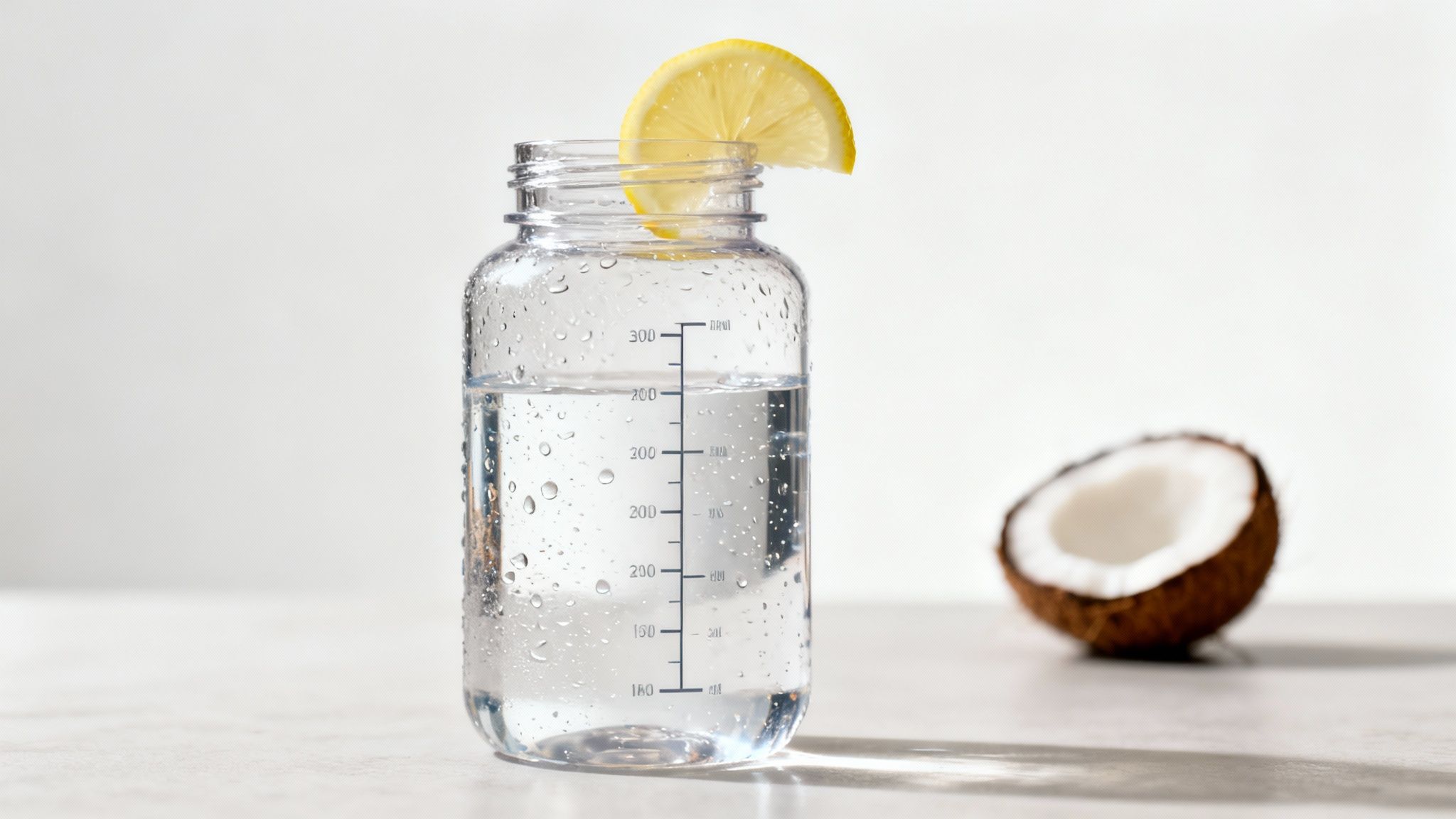
The connection between water intake and headache relief is well-documented. A study published in the Family Practice journal revealed that participants who increased their daily water intake by 1.5 liters experienced significant improvements in both the intensity and duration of their headaches. Consistent hydration supports optimal neurological function and can prevent the onset of dehydration-induced headaches, particularly for office workers, athletes, and those in warm climates.
How to Use Hydration to Prevent Headaches
The key is consistency and awareness. Instead of waiting for thirst, which is an early sign of dehydration, aim to sip water steadily throughout the day.
- Establish a Baseline: Aim to drink at least 8-10 glasses (around 2 liters) of water daily. Increase this amount if you exercise, live in a hot climate, or feel unwell.
- Start Your Day Right: Drink 16-20 ounces of water immediately upon waking to rehydrate your body after a night's sleep.
- Replenish Electrolytes: During or after intense activity, sweating, or illness, add electrolyte tablets or mineral drops to your water. Natural sources like coconut water or a pinch of sea salt with lemon can also help restore balance.
- Monitor Your Body: Pay attention to your urine color. A pale, straw-yellow color typically indicates good hydration, while a darker yellow or amber color means you need to drink more fluids.
Proactive Prevention: Rather than treating a headache after it starts, think of hydration as your first line of defense. Carrying a reusable water bottle can serve as a constant visual reminder to drink up and keep headaches at bay.
6. Magnesium Supplementation
Magnesium is an essential mineral vital for hundreds of biochemical reactions in the body, including nerve transmission and muscle function. Its role in neurological health makes it a powerful natural remedy for headaches, particularly migraines. A magnesium deficiency has been strongly linked to the mechanisms that trigger migraines, such as neurotransmitter release and blood vessel constriction. Supplementing with magnesium can help stabilize nerve cells, prevent the wave of brain signaling that causes migraine aura, and relax blood vessels, thereby reducing both the frequency and severity of attacks.
Evidence highlights its significant impact. Studies published in the journal Headache have shown that regular magnesium supplementation can reduce the frequency of migraine attacks by over 40%. It's particularly effective for those experiencing menstrual migraines or headaches linked to stress and muscle tension.
How to Use Magnesium for Headaches
For consistent, long-term relief, both supplementation and dietary changes are effective. Consistency is key, as it can take several weeks to see a noticeable difference.
- Supplementation: This is the most direct way to increase magnesium levels.
- Choose the Right Form: Opt for highly absorbable forms like magnesium glycinate or magnesium threonate, which are gentle on the stomach. Avoid magnesium citrate or oxide if you have digestive sensitivities.
- Start Low: Begin with a dose of 200-400 mg per day. You can gradually increase this if needed, but do not exceed the recommended daily allowance without consulting a doctor.
- Time it Right: Take your supplement in the evening. Magnesium has a calming effect on the nervous system and can promote better sleep, which further helps prevent headaches.
- Dietary Intake: Boost your magnesium intake through food.
- Incorporate magnesium-rich foods into your diet, such as almonds, spinach, pumpkin seeds, dark chocolate, and avocados.
Safety First: High doses of magnesium can cause digestive issues like diarrhea. It may also interact with certain medications, including antibiotics and blood pressure drugs. Always consult with your healthcare provider before starting any new supplement regimen, especially if you have kidney conditions or are pregnant.
7. Progressive Muscle Relaxation (PMR)
Progressive Muscle Relaxation (PMR) is a mind-body technique developed in the 1920s to combat stress and its physical symptoms. The practice involves systematically tensing specific muscle groups for a few seconds and then releasing the tension completely. This process helps you become more aware of physical tension you may not have noticed, a common trigger for tension-type headaches, and provides a method for releasing it on command. By inducing deep physical relaxation, PMR can reduce the frequency and severity of headaches caused by stress and muscle tightness.
The effectiveness of PMR lies in its ability to break the stress-tension-pain cycle. Research published in the Journal of Consulting and Clinical Psychology demonstrated that relaxation therapies like PMR are highly effective in managing chronic tension headaches, with some studies showing participants reducing headache frequency by over 50%. It's a powerful tool for anyone whose headaches worsen during stressful periods, such as office workers facing deadlines or students before exams.
How to Use PMR for Headaches
For best results, practice PMR in a quiet, comfortable space where you won't be interrupted. It can be done lying down or sitting in a supportive chair.
- Systematic Tensing and Releasing: The core of the practice is the sequence.
- Get Comfortable: Close your eyes and take a few deep breaths to begin.
- Start with Your Feet: Inhale and tense the muscles in your feet and toes, holding for 5-10 seconds. Exhale and completely release the tension, noticing the difference.
- Work Your Way Up: Systematically move up your body, tensing and relaxing each major muscle group: calves, thighs, glutes, abdomen, back, arms, hands, shoulders, neck, and face.
- Daily Practice: Consistency is key.
- Set aside 10-15 minutes each day for a full PMR session. This can become one of your most effective daily health habits.
- For acute relief when you feel a tension headache starting, focus just on the muscles in your shoulders, neck, and jaw for a quick 5-minute session.
Consistency is Key: PMR is not just a treatment; it's a preventative skill. Regular practice trains your body to recognize and release tension before it can build into a full-blown headache. Combining it with deep, diaphragmatic breathing can significantly enhance its calming effects.
8. Acupuncture and Acupressure
Acupuncture and acupressure are ancient practices rooted in Traditional Chinese Medicine (TCM). Both techniques focus on stimulating specific points on the body to restore the flow of energy, or "qi," and promote natural healing. Acupuncture uses fine, sterile needles to stimulate these points, while acupressure involves applying firm, manual pressure. These methods are particularly effective for chronic tension-type headaches and migraines by releasing endorphins, the body's natural painkillers, and relaxing muscle tension in the head, neck, and shoulders.
The effectiveness of these techniques is supported by modern research. A significant review of studies concluded that acupuncture is a valuable, non-pharmacological option for preventing migraines. Many people find that regular acupuncture sessions can significantly reduce both the frequency and intensity of their headaches over time, while self-applied acupressure offers immediate, on-the-spot relief.
How to Use Acupuncture and Acupressure for Headaches
While acupuncture requires a trained professional, acupressure is a powerful self-care tool you can use anytime, anywhere.
- Acupuncture: This treatment is best for long-term management of chronic headaches.
- Find a Qualified Practitioner: Look for a licensed or certified acupuncturist (L.Ac.). Ask for their credentials and experience with treating headaches.
- Communicate Openly: Inform your practitioner about any health conditions or medications you are taking.
- Be Consistent: For best results, a series of treatments is usually required. It may take 4-6 weeks to experience the full benefits.
- Self-Acupressure: This is a fantastic method for acute headache pain relief.
- Target the LI4 Point: This famous pressure point, also called Hegu, is located in the fleshy webbing between your thumb and index finger. Apply firm, circular pressure for 1-2 minutes.
- Press the GB20 Points: Located at the base of your skull, in the hollow areas on either side of your neck muscles. Use your thumbs to apply steady, upward pressure.
- Combine with Deep Breathing: Inhale deeply as you apply pressure and exhale as you release to enhance the relaxation effect.
Safety First: If you are pregnant, consult a healthcare professional before trying acupressure, as stimulating certain points can induce labor. Always choose a licensed professional for acupuncture to ensure proper technique and the use of sterile, single-use needles.
9. Caffeine Modulation
Caffeine holds a complex and often misunderstood relationship with headaches. While excessive consumption is a well-known headache trigger, the strategic use of moderate amounts can paradoxically provide significant relief. This is because caffeine constricts blood vessels, which can alleviate the vascular pressure associated with some migraines, and it also boosts the effectiveness of common pain relievers like acetaminophen and ibuprofen. For many, finding the right balance-or "sweet spot"-is a key natural remedy for headaches.
This dual role means that both strategic consumption and careful withdrawal can be effective. A study highlighted that while caffeine withdrawal is a common cause of headaches, the substance itself is a potent analgesic adjuvant. Many migraine sufferers find that a single cup of coffee at the onset of an attack can halt its progression, demonstrating its therapeutic potential when used correctly.
How to Use Caffeine Modulation for Headaches
Whether you are over-consuming or looking to use caffeine therapeutically, a mindful approach is crucial for managing headache frequency and severity.
- For Therapeutic Relief: This approach is for those who do not regularly consume caffeine.
- Timing is Key: At the very first sign of a headache, consume a small amount of caffeine.
- Mind the Dose: Aim for 50-100 mg, which is equivalent to a small cup of coffee or a strong cup of black tea. This can be taken alongside an over-the-counter pain reliever to enhance its effect.
- For Reducing Caffeine-Induced Headaches: This is for individuals who suspect their high intake is the problem.
- Taper Gradually: Do not quit cold turkey. Reduce your daily intake by 25% each week to minimize withdrawal symptoms. For example, if you drink four cups of coffee, cut back to three for a week.
- Stay Hydrated: Drink extra water, as caffeine is a diuretic and dehydration is a major headache trigger.
- Substitute Smarter: Replace high-caffeine drinks with herbal tea or decaf coffee. If you need an energy lift without the jitters, explore ways to boost energy without caffeine.
Know Your Limits: Track your caffeine intake and headache patterns in a journal to identify your personal threshold. Aim to keep your total daily consumption under 200 mg and avoid it after 2 p.m. to protect your sleep quality, which is vital for headache prevention.
10. Aromatherapy and Essential Oil Diffusion
Aromatherapy harnesses the power of aromatic plant compounds, known as essential oils, to improve well-being. By engaging the olfactory system, diffusing these oils can trigger brain responses that reduce pain perception, alleviate stress, and promote deep relaxation. While individual oils like peppermint and lavender are potent, the broader practice of aromatherapy offers a versatile toolkit for managing different types of headaches by using various oils like eucalyptus, rosemary, and chamomile.
The mechanism behind this natural remedy for headaches involves the limbic system, the part of the brain that governs emotions and memory. Inhaling specific scents can directly influence this area, helping to calm the nervous system and ease the tension that often precedes or accompanies a headache. For example, many yoga studios diffuse chamomile to deepen relaxation, while some corporate offices use eucalyptus to reduce employee stress.
How to Use Aromatherapy and Diffusion for Headaches
Creating a therapeutic atmosphere is key to preventing and managing headaches. A diffuser is the safest and most effective way to disperse essential oils into the air.
- Choose Your Oil: Select an oil based on your headache type.
- Eucalyptus: Ideal for sinus headaches due to its decongestant properties.
- Rosemary: Helps improve circulation and relieve pain, beneficial for tension headaches.
- Chamomile: Known for its calming and anti-inflammatory effects, perfect for stress-induced pain.
- Set Up Your Diffuser:
- Fill the diffuser's reservoir with water to the indicated line.
- Add 3-5 drops of high-quality, therapeutic-grade essential oil.
- Set the diffuser to run for 30-60 minute intervals. Continuous diffusion is not necessary and can be overwhelming.
Safety First: Always use essential oils in a well-ventilated area and ensure they are pure, not synthetic fragrances, which can worsen headaches. Test oils individually before creating blends to identify any potential sensitivities. If you have pets, check if the chosen oil is safe for them to inhale.
Top 10 Natural Headache Remedies Comparison
| Item | Implementation 🔄 | Resources & Cost ⚡ | Effectiveness ⭐ | Ideal Use Cases 📊 | Quick Tip 💡 |
|---|---|---|---|---|---|
| Peppermint Oil | Low — topical or inhalation, simple dilution | Low — essential oil + carrier; diffuser optional | ⭐⭐⭐⭐ — fast, temporary relief for tension headaches | Rapid-onset tension headaches, office/home use | Dilute 1–2 drops per tsp carrier; patch test; avoid eyes |
| Lavender | Low — diffuse, topical (dilute), or tea | Low — oil/tea; diffuser optional | ⭐⭐⭐ — gradual calming; reduces stress-related headaches | Stress/anxiety-related or sleep-linked headaches | Diffuse 30 min before stress/sleep; use high-quality oil |
| Ginger Root | Low–Moderate — ingest as tea/supplement | Low — fresh root or supplements | ⭐⭐⭐⭐ — effective for migraine pain and nausea | Migraines with nausea; preventive daily use | Take 500–1000 mg at onset or steep fresh slices 10–15 min |
| Cold & Hot Compress Therapy | Low — apply cold/heat per headache type | Low — gel packs, towels, heating pad | ⭐⭐⭐⭐ — fast tactile relief for migraine/tension | Acute migraine (cold) or neck/shoulder tension (heat) | Cold 10–15 min on temples; heat 20 min on neck; protect skin |
| Hydration & Electrolyte Balance | Low — habit change, consistent practice | Very Low — water; electrolyte tabs as needed | ⭐⭐⭐⭐ — preventive; reduces many trigger headaches | Dehydration-triggered headaches; athletes; daily prevention | Drink 16–20 oz on waking; monitor urine color; use electrolytes during activity |
| Magnesium Supplementation | Moderate — daily regimen; weeks to benefit | Low–Moderate — supplements; optional testing | ⭐⭐⭐⭐ — preventive for migraines over weeks | Chronic migraines, menstrual migraines, restless tension | 200–400 mg nightly (glycinate/threonate); allow 4–6 weeks to work |
| Progressive Muscle Relaxation (PMR) | Moderate — requires learning and 15–20 min practice | Very Low — time; guided audio optional | ⭐⭐⭐⭐ — reduces tension and prevents headaches | Tension and stress-related frequent headaches | Practice 10–20 min daily; pair with deep breathing and guided audio |
| Acupuncture & Acupressure | Moderate–High — practitioner for acupuncture; learn acupressure | Moderate–High — session costs or minimal for self-acupressure | ⭐⭐⭐⭐ — clinically effective, esp. acupuncture for migraines | Chronic migraines, those seeking non-drug treatments | Use licensed acupuncturist; try LI‑4 and GB‑20 for self-acupressure |
| Caffeine Modulation | Moderate — requires tracking and behavior change | Low — beverages; behavioral effort | ⭐⭐⭐ — immediate relief for some; can trigger or prevent | Acute relief at onset; individuals with caffeine-related patterns | Therapeutic 50–100 mg with pain reliever; taper slowly to avoid withdrawal |
| Aromatherapy & Essential Oil Diffusion | Low — diffuse or topical with dilution | Low–Moderate — oils and diffuser | ⭐⭐⭐ — immediate olfactory calming; variable results | Preventive relaxation, offices, yoga, complementary therapy | Start with 3–5 drops; diffuse 30–60 min; test oils individually and ventilate |
Your Path to Headache Freedom: Integrating Natural Solutions
Navigating the landscape of headache relief can feel overwhelming, but as we've explored, you have a powerful arsenal of natural remedies at your fingertips. The journey to managing headaches is not about finding a single, universal cure. Instead, it’s about crafting a personalized, multi-faceted strategy that addresses your unique triggers and provides consistent, sustainable relief. Think of this not as a checklist, but as a toolkit from which you can pull the right tool for the right moment.
The solutions covered in this guide, from the immediate, cooling sensation of peppermint oil to the long-term, muscle-relaxing benefits of magnesium, offer both reactive and proactive approaches. You've learned how simple, consistent hydration can be a cornerstone of prevention, and how targeted therapies like hot and cold compresses can offer rapid, non-invasive comfort during an acute attack. This collection of natural remedies for headaches empowers you to take an active role in your wellness journey.
Building Your Personalized Headache Relief Plan
The true power of this knowledge lies in its application. Generic advice offers little value, but a tailored approach can be life-changing. The key is to become an expert on your own body, observing patterns and identifying which strategies yield the best results for you.
Here are some actionable next steps to integrate these remedies effectively:
- Start a Headache Journal: Don't just track pain. Log what you did before the headache started (foods, stress levels, sleep) and which remedy you tried. Did ginger tea help more with a tension headache, while a cold compress was better for a throbbing migraine? This data is invaluable.
- Create a "First-Response" Kit: Assemble a small bag with a rollerball of diluted peppermint oil, a packet of electrolyte powder, and perhaps a small vial of lavender oil. Having these items ready means you can act at the very first sign of a headache, often preventing it from escalating.
- Focus on Prevention: While it's great to have remedies for an active headache, prevention is the ultimate goal. Identify one or two preventive strategies to incorporate into your daily routine. This could be a nightly magnesium supplement, a 10-minute progressive muscle relaxation session before bed, or ensuring you drink a full glass of water every hour.
- Layer Your Strategies: Remember that these remedies can work in synergy. You might diffuse lavender oil while practicing deep breathing and applying a cold compress to your forehead. Combining these methods can create a more powerful, holistic effect than using any single one in isolation.
Knowing When to Seek Professional Guidance
Empowerment also means recognizing when self-care isn't enough. While these natural remedies for headaches are effective for many common types of head pain, they are not a substitute for professional medical care.
Crucial Reminder: If you experience headaches that are suddenly severe ("thunderclap" headache), accompanied by fever, confusion, a stiff neck, or numbness, or if they change in pattern or intensity, it is essential to consult a healthcare professional immediately.
A doctor can help diagnose the underlying cause of your headaches, rule out serious conditions, and create a comprehensive treatment plan that may include a combination of natural approaches and conventional medicine.
Ultimately, mastering these natural solutions is about reclaiming control. It's about moving from a reactive state of simply enduring pain to a proactive state of understanding, managing, and preventing it. By listening to your body and thoughtfully applying these techniques, you are not just treating a symptom; you are cultivating a deeper sense of well-being, enhancing your daily comfort, and building a more resilient, balanced life free from the disruptive power of chronic headaches.
For more evidence-based guides on holistic health, practical wellness tips, and strategies for living a more vibrant life, explore the resources at The Happy Health Blog. Our mission is to provide you with the actionable, science-backed information you need to take control of your well-being, just like you've learned with these natural remedies for headaches. Discover your next step to a healthier you at The Happy Health Blog.
